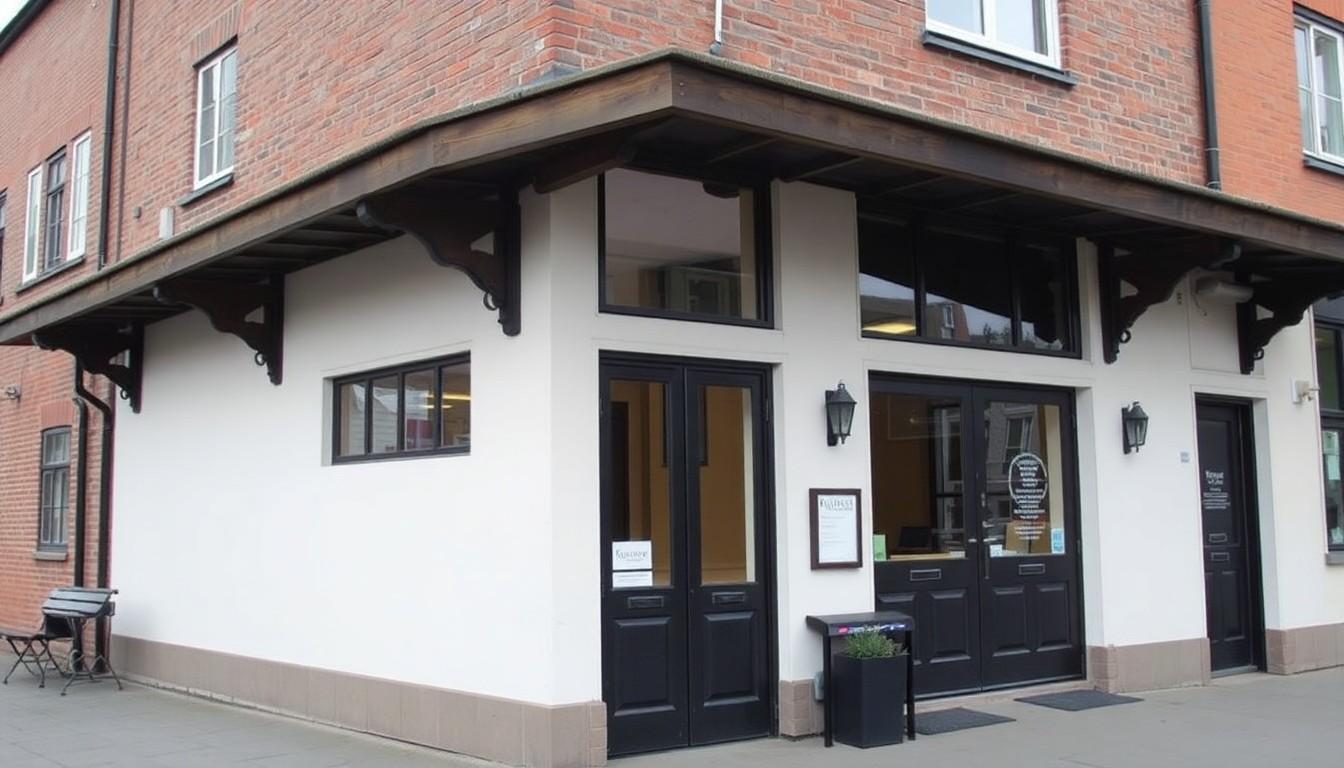
Discover hidden queer corners of Nottingham as CJ DeBarra’s research maps seven places that quietly shaped the city’s LGBT+ life , from old pubs and discos to campaign projects and clubs, here’s why they matter and what to look for when you walk the streets before Notts Pride.
Essential Takeaways
- Historic hotspots: Seven venues from the 1770s to the 2000s offer tangible links to Nottingham’s queer past, including pubs, hotels and clubs.
- Lesbian spaces remembered: Several venues hosted women specifically, with distinctive social rules, late-night sing‑alongs and fierce protection from owners.
- Community projects mattered: The Outhouse Project’s partial success helped revive Pride and seed local support services, even though the building plans stalled.
- Visible traces left: Some buildings survive repurposed , others were demolished, yet personal memories and plaques keep stories alive.
- Practical tip: Walk the routes around Union Road, Greyhound Street and Central Market to spot plaques, reclaimed façades and former club entrances.
Why this list matters: queer memory tucked into everyday buildings
Walk down a Nottingham street and you’ll pass more queer history than you think, often in plain brick and stucco. CJ DeBarra’s archive work shows how pubs, hotels and club basements doubled as refuges, meeting places and cultural labs for LGBT+ people across decades. These sites matter because queer history was rarely recorded officially; it was sung, danced and passed by word of mouth. So spotting a former function room or pub frontage can feel surprisingly intimate , it’s a small, sensory bridge to voices that might otherwise have been lost.
Pubs and parlours: the Napier and Central Tavern story
Pubs were central to social life , and that includes queer life. The Napier on Union Road, remembered for its backroom piano and raucous sing‑alongs, was a lesbian haunt in the 1950s and 60s, complete with rules about butch and femme presentation that sometimes sparked fights. Later, the Central Tavern near Central Market reinvented itself through several incarnations, from Gatsby’s to Intrigue, before closing after violence ended its licence. If you like history with a human edge, these buildings tell a story of safety, risk and changing social norms.
Clubs and nightlife: Kitsch, Casablanca and Greyhound Street’s after‑hours
Nightclubs captured younger energy and the push for visible queer culture. Casablanca opened in the mid‑80s and later became Kitsch, a tiny but beloved house‑music haunt that hosted post‑Pride gatherings and fundraisers. Rumours, police attention and changing tastes meant these nights had brief, bright lives. Walking Greyhound Street now, you might find little left of the clubbing days , but the memory of late buses, sticky floors and DJ sets still colours the city’s nightlife narrative.
Hotels and function rooms: The White Hart and George Hotel as safe spaces
Hotels and upstairs function rooms offered quieter, often semi‑private spaces for dances and drag. The White Hart in Mansfield ran dedicated gay discos with an atmosphere people still recall , thanks in part to proprietors who protected their guests. The George Hotel’s Dickens Bar once provided a “gentlemen’s” environment for men in an era when being out could be dangerous; later it hosted Pride events such as the Lezzie Love Ball. These venues show how mainstream buildings could be reimagined as places of belonging.
Grassroots effort: the Outhouse Project and why planning matters
Not all queer heritage is nightlife. The Outhouse Project on Lennox Street was an ambitious volunteer‑led bid to create a community hub with helplines, health services and a café. The team’s work helped revive Nottingham Pride after a lull, even though the building itself was sold when funds ran out. This is a reminder that activism often succeeds unevenly: you don’t always keep the brick, but you keep the support networks and the momentum.
What survives and how to look for it today
Some of these sites remain in altered form , student flats, boarded pubs or completely rebuilt streets. Others, like the Napier and the Manor Hotel, were demolished. Look out for plaques, small brass markers, and local heritage projects; Nottingham’s first pink plaque was unveiled in recent years, and community groups continue to map queer spots. If you want to dig deeper, check local archives, oral histories and CJ DeBarra’s Queer Nottingham books for names, dates and the kind of colourful anecdotes that bring the past to life.
It's a small change to your walk that makes the city’s queer past feel very much present.
Source Reference Map
Story idea inspired by: [1]
Sources by paragraph: