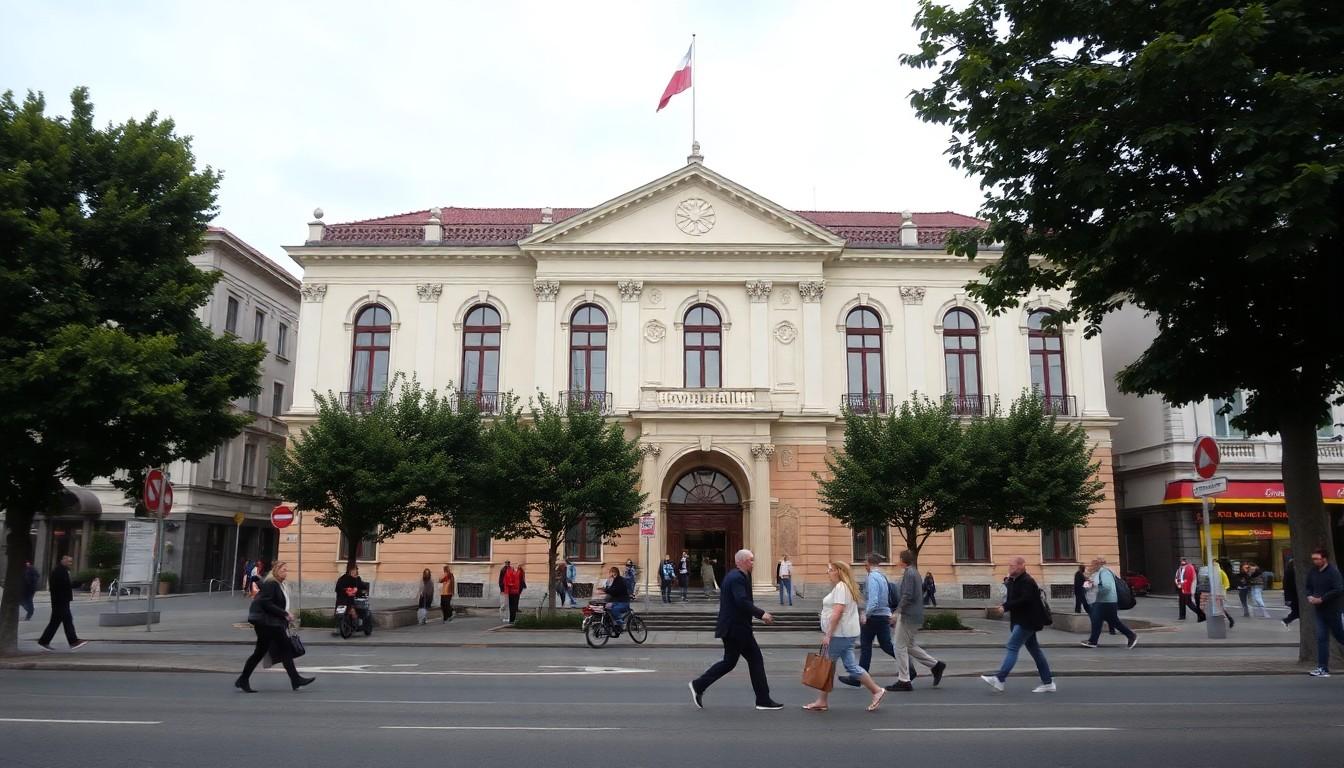
Shoppers and citizens are noticing a worrying pattern: Oradea, Romania, keeps blocking Pride marches, and the standoff has drawn international attention. This piece explains who’s involved, why the repeated bans matter for freedom of assembly across the EU, and what organisers and allies are doing next.
Essential Takeaways
- Repeated bans: Oradea is the only major EU city repeatedly refusing Pride permits, with organisers reporting more than 100 proposed routes turned down this year.
- Legal pretexts: Local authorities cite technical reasons, events overlap, roadworks, but activists say those reasons mask exclusionary intent.
- International alarm: Over 150 organisations from 30 countries have warned that obstructing Pride signals democratic backsliding.
- Defiant organisers: Despite no permit, local groups plan to march; past unauthorised gatherings drew hundreds and heavy fines.
- Wider implications: Diplomats and national institutions are watching; this dispute is framed as a test of the right to peaceful assembly across Europe.
Why Oradea feels like an exception in the EU
Oradea’s repeated denials feel jarring because they’ve become a pattern rather than an occasional clash over logistics. The Guardian flagged the city as “the only major EU city” where authorities have consistently blocked Pride, and that sense of singularity helps explain the international reaction. The tactic is oddly bureaucratic, a multitude of proposed routes rejected for overlap or roadworks, so it looks less like an open ban and more like an administrative iron curtain.
That approach matters because form often masks intent. Organisers say the authorities never explain they object to LGBT people explicitly; instead they use legitimate-sounding excuses. For anyone watching, that makes it harder to challenge decisions in court or in public debate, and it’s exactly why civil-society groups are alarmed.
Who’s sounded the alarm , and why it’s not just about Pride
More than 150 organisations across 30 countries signed a joint statement condemning Oradea’s approach, arguing that preventing repeated peaceful assemblies erodes a cornerstone of democracy. The message is blunt: when a local government can routinely stop one community meeting in public, the principle of free assembly is weakened for everyone. That’s a serious claim, and it’s why international NGOs and some diplomats have stepped in publicly.
This isn’t an isolated worry. Similar patterns of restricting Pride have been noted elsewhere in Europe and beyond, where curbs on minority gatherings often presage wider rollbacks of rights. Observers now treat bans on LGBTQ+ events as an early warning sign of democratic backsliding.
How organisers are responding , defiance, diplomacy, and risk
Organisers in Oradea are refusing to disappear. After an unauthorised march last year drew roughly 600 people and hefty fines for some attendees, this year they plan to march again despite lacking a permit. They’ve also secured the backing of foreign diplomatic missions and the country’s Ombudsman, which changes the political stakes.
That blend of grassroots determination and official support is strategic: it raises visibility, discourages heavy-handed policing, and signals that the matter has international consequences. Still, participants accept practical risks, fines, confrontation, or escalation, which is why safety planning, clear routes, and legal observers matter for any unauthorised public action.
What the authorities say , silence, refusal, or technicalities?
Local leaders in Oradea have largely declined to speak publicly about their decisions, and that silence fuels suspicion. Where officials do reply, they lean on technical grounds, clashing events, municipal works, or public-order concerns, to justify refusals. Those reasons are plausible on paper, which makes legal pushback more complex and slow.
When municipal explanations are scant, the political narrative fills the gap. Activists interpret the lack of direct explanation as implicit exclusion. That’s significant because democratic legitimacy depends not only on rights being upheld but also on transparent, accountable decision-making.
What this means for Europe and for people thinking of supporting Pride
Oradea’s case is a reminder that freedom of assembly is fragile and often contested at the local level. For allies and observers, practical support can help: sharing logistical expertise, publicising events, documenting denials, and offering legal backing all make a difference. Diplomats and national institutions can also apply quiet pressure or public scrutiny without escalating tensions.
If you’re an organiser elsewhere, take the Oradea example as a checklist, document attempts to arrange lawful routes, gather alternative plans, contact legal aid early, and build alliances with civil-society and diplomatic partners. Those steps won’t eliminate risk, but they strengthen your position.
It's a small change that can make every march safer and every right a little harder to ignore.
Source Reference Map
Story idea inspired by: [1]
Sources by paragraph: