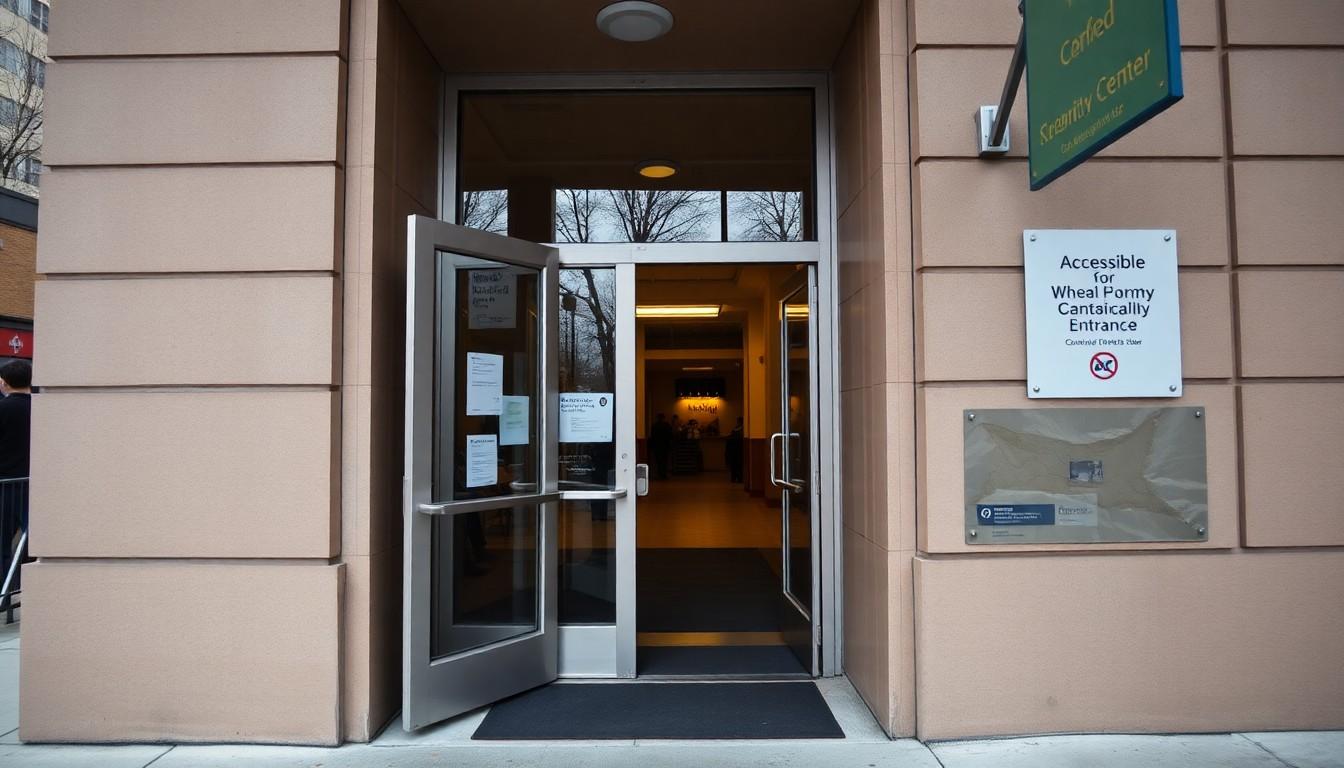
Notice how Pride can feel both hopeful and exclusionary; organisers, volunteers and attendees in cities from D.C. to your hometown need practical, visible accessibility so everyone can join the protest. This piece highlights why accessibility matters, what actually helps, and how to build Pride that centres disabled queer people.
Essential Takeaways
- Core need: Accessible Pride requires planning from day one, not last‑minute add‑ons , shaded rest zones, water, seating and sensory havens help immediately.
- Communication matters: Clear accessibility statements, maps and contact points let disabled people decide if and how they can attend.
- Services to provide: ASL interpretation, live captioning, audio description and quiet rooms make events genuinely inclusive.
- Leadership change: Electing disabled queer people to planning boards shifts priorities and prevents token gestures.
- Community benefit: Accessibility improves experiences for everyone , parents, older people, neurodivergent attendees and those with temporary injuries.
Why accessible Pride is a protest issue, not an afterthought
Pride began as protest, and exclusion contradicts that history. When parades and festivals lack ramps, shade or sensory‑friendly options, they send a quiet message about who belongs. That feeling , visible at events from capital marches to neighbourhood festivals , is as harmful as a poorly placed barricade. Organisers need to remember that accessibility is part of the political work of Pride, not a concession.
Many cities now publish accessibility statements and resources for their events, but there’s a gap between promises and practice. According to local Pride groups, basic measures like clear signage and quiet areas are often achievable on a modest budget. If Pride wants to remain true to its roots, planning teams should treat accessibility as essential logistics, not optional extras.
Practical steps organisers can take right now
Start small and do it well: designate shaded rest zones with chairs and water, staff them with trained volunteers, and map them publicly. Offer earplugs and noise‑reducing headphones at information points and create a sensory‑friendly schedule for quieter time slots. These fixes are tactile and visible , attendees will notice the cool, quiet space after a hot, loud march.
Publish an accessibility statement and downloadable map well ahead of the event so people can plan. Include contacts for disability access coordinators who can answer questions and arrange personalised supports. These straightforward moves lower barriers and build trust with disabled communities.
Accessible tech and interpretation: the difference between showing up and participating
ASL interpreters, live captioning and audio description turn attendance into real participation. For speeches, stages and panels, stream interpretation on screens and add captioning to live feeds. Audio description for visual performances helps people with vision loss follow the action and feel included.
Organisers should budget for these services in their core plans and explore partnerships or local grants to cover costs. Community internships or paid roles for disabled queer organisers can also ensure programs are conceived with lived experience at the table, not retrofitted later.
Design events with disabled leaders , not just disabled checklists
Adding a quiet tent is useful, but meaningful change requires power shifts. Elect disabled queer people to leadership and planning roles so accessibility is embedded in event design from the start. That’s how you stop accessibility becoming a checklist and make it part of the festival’s DNA.
This shift also combats the expectation that disabled people must educate organisers for free. It’s a collective responsibility: volunteers, funders and community partners should commit to anti‑ableist training and shared accountability.
Accessibility benefits everyone , and grows attendance
Accessible events attract a broader crowd. Parents with prams, older attendees, people with temporary injuries and neurodivergent folks all gain from thoughtful design. Simple amenities , shade, seating, clear routes and food stations , make participation easier and extend the day for more people.
When Pride looks and feels welcoming to diverse bodies, the movement’s aims gain strength. Visible inclusion of disabled queer people reshapes priorities for campaigns like access to healthcare and protections from police violence, reminding us that liberation is collective.
It's a small change that can make every march and festival safer, louder and more generous.
Source Reference Map
Story idea inspired by: [1]
Sources by paragraph: