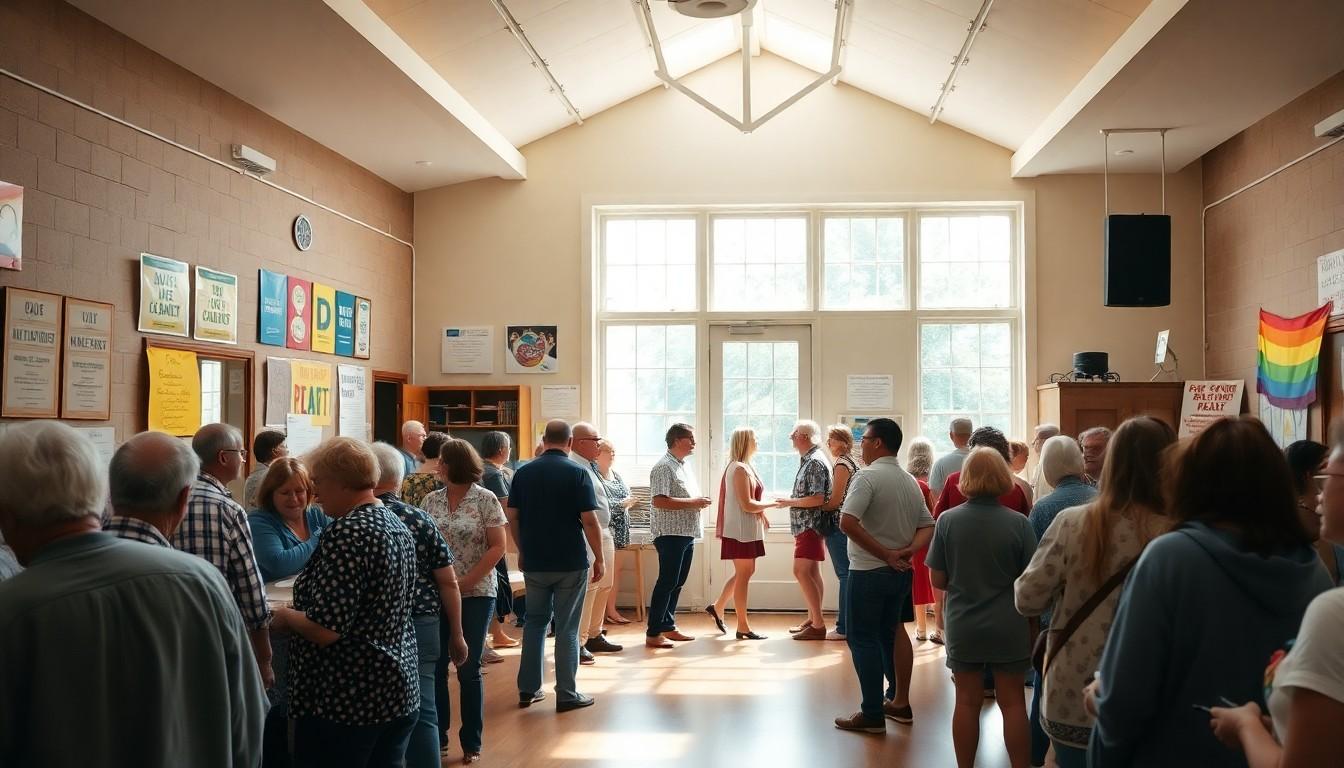
Notice how communities only flourish when people actually show up , not just when they need something. Owners, organisers and volunteers across LGBTQ spaces are reasserting the value of reciprocity, mutual support and sustained participation, because those things keep bars, charities and networks alive and humane.
Essential Takeaways
- Reciprocity fuels longevity: Communities survive when members give time, labour or encouragement, not just take benefits.
- Participation beats transactions: Consistent presence , attending events, volunteering, promoting others , builds trust and visibility.
- Historical backbone matters: The LGBTQ community’s survivability during crises relied on mutual care that wasn’t transactional.
- Practical signs: Look for groups where celebrating one another, amplifying work and shared labour are routine; they tend to be more resilient.
Why showing up matters more than posting about it
There’s a distinct, slightly hollow feeling when people only surface to ask for help and vanish the rest of the year. That pattern happens everywhere, but it’s especially noticeable in LGBTQ circles where friendships and networks have historically been life-saving. Community is tactile , it hums with phone calls, kitchen tables, volunteers and people turning up in person. Organisers who’ve been around say the simple act of attendance , even for an hour , changes the atmosphere and makes future asks easier to meet. If you want your group or local bar to be there when you need it, start by being there when others need it.
From crisis care to everyday generosity: the backstory
Ask anyone who worked through the AIDS epidemic and they’ll tell you community was about hands-on care, fundraising and emotional labour, not branding. That history shaped how LGBTQ networks function: reciprocity wasn’t optional, it was survival. Today, that ethos is under pressure from transactional behaviours , people treating community like a resource to mine rather than a place to invest. Remembering the past helps explain why long-term participation matters; it’s not nostalgia, it’s a model that actually works.
How reciprocity looks in practice , small habits, big returns
Reciprocity isn’t ledger-balancing. It’s simple habits repeated: turning up to a friend’s gig, volunteering an hour, sharing someone’s fundraiser, or just offering encouragement. These acts build a sense of mutual obligation that’s flexible and humane. For newcomers unsure how to contribute, start small: show up, ask what’s needed, and amplify others on social. Groups with a culture of regular, low-effort contributions tend to be friendlier and more durable than those relying on a few star contributors.
When communities feel like vending machines , and what to do about it
It’s exhausting for organisers when requests come only in desperate bursts. That fatigue isn’t personal; it’s structural. Communities run on uneven labour, so chronic freeloading makes burnout more likely. If you’re on the receiving end, try setting clear boundaries and rotating asks so the load’s fairer. If you’re the one who occasionally cashes in, consider reciprocating in ways that fit your life , mentoring once a season, sharing event flyers, or offering practical help instead of only seeking attention.
Practical tips for building healthier, more resilient groups
Pick one practical habit and stick to it: attend monthly meetings, host a coffee meet-up, or sign up for a regular volunteer slot. Encourage hosts to create low-barrier entry points for participation , short shifts, clear tasks, and thank-you rituals work wonders. For organisers, celebrate small contributions publicly; recognition motivates repeat engagement and normalises giving back. And for everyone, remember this: generosity grows when it’s modelled, not mandated.
It’s a small shift to show up more often, but it makes every community richer and more sustained.
Source Reference Map
Story idea inspired by: [1]
Sources by paragraph: