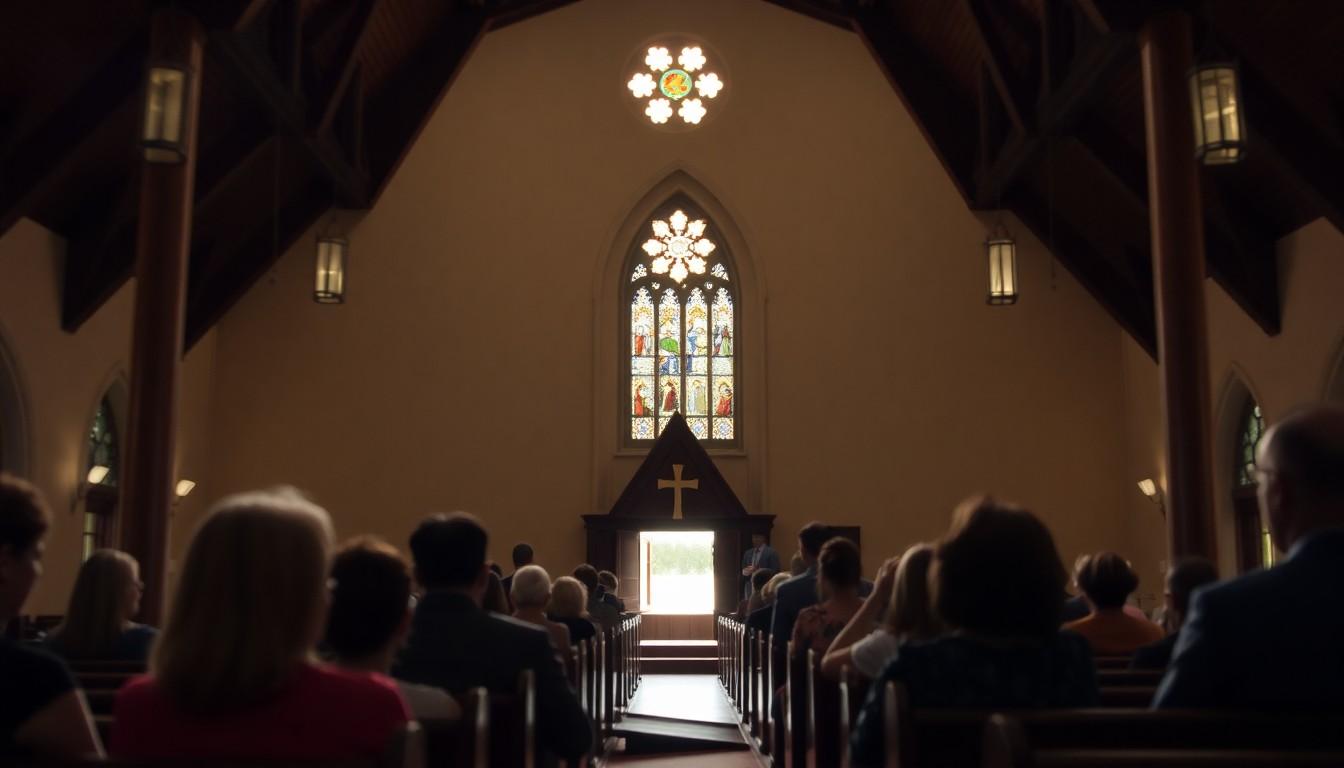
Noticing how LGBTQ+ Christians find sanctuary, many churchgoers and leaders are rethinking what belonging looks like , who feels seen, safe and spiritually formed. This piece explores real stories, practical changes and why learning from LGBTQ+ faith communities matters for healthier, more honest churches.
Essential Takeaways
- Deep vulnerability matters: LGBTQ+ Christian spaces often prioritise honest sharing, producing a tangible sense of presence and welcome.
- Crisis can catalyse growth: Life-decentring experiences like coming out may prompt powerful spiritual formation and renewed faith.
- Peer language helps: Finding other LGBTQ+ believers gives people words to describe their experience and integrate identity with faith.
- Leadership openness counts: When church leaders show vulnerability and public affirmation, it creates space for healing and trust.
- Practices to adopt: Lament, listening, and inclusive pastoral routines can reduce harm and encourage genuine spiritual growth.
Why vulnerability in worship feels different , and why it matters
Walk into an LGBTQ+ Christian gathering and you’ll often notice a quieter kind of authenticity: people speak plainly about doubt, fear and joy, and the room feels less performative. According to research, that vulnerability isn’t just atmosphere , it’s a driver of spiritual formation, helping people reshape their inner life so it aligns with their faith. The upshot is simple: when churches make room for honest testimony, they make room for change.
This didn’t happen by accident. Many LGBTQ+ Christians only found such spaces after long searches and soul-weariness from traditional settings. Organisations and networks that deliberately create welcoming spaces provide both the vocabulary and relational safety to process spiritual crisis. For congregations wanting to learn, the practical takeaway is to model personal humility from the pulpit and create structured opportunities for testimony and small-group reflection.
Crisis as a doorway to transformation , not just trauma
For a lot of LGBTQ+ believers, coming out or recognising gender difference is a decentring event that forces a re-evaluation of identity, theology and belonging. While such moments bring real pain, studies show they can also catalyse profound spiritual growth when accompanied by a sense of God’s presence. That paradox , hurt leading to deeper faith , is an uncomfortable but important lesson for churches that assume uninterrupted conformity is spiritual maturity.
Practically, clergy and pastoral teams can prepare by recognising crisis as a theological and psychological turning point. Offer trauma-informed pastoral care, signpost peer support, and resist quick doctrinal fixes. When congregations learn to sit with ambiguity and lament, they help people move from survival to integration.
How peer networks and shared language change the journey
Finding others who’ve been through similar struggles provides more than companionship; it supplies the language to make inner experiences intelligible. LGBTQ+ Christian networks, gatherings and online communities have helped many articulate a faith that embraces both sexual or gender identity and devotion. That linguistic and relational scaffolding is what turns isolation into integration.
Churches can borrow this by encouraging mentoring, peer-led groups and publicly visible honest conversations about identity. Even simple moves , a regular listening circle, recommended resources, or connecting people to national networks , can make a difference. Leaders who amplify lived stories rather than shutting them down give congregations a richer theological imagination.
Leadership: vulnerability and public affirmation change dynamics
What the interviews and community-led spaces consistently highlight is the power of leaders who own their support for LGBTQ+ people. When pastors and lay leaders vulnerably express care and refuse to weaponise doctrine, they create trust that ripples across a congregation. That doesn’t require doctrinal uniformity; it does require moral courage and pastoral integrity.
If your church is unsure where to begin, start small: encourage leaders to share their own faith struggles, offer explicit invitations to dialogue, and ensure safeguarding and confidentiality. When affirmation comes not as political theatre but as pastoral witness, it enables healing and honest discipleship.
Rituals churches can adopt: lament, listening and integration
One striking recommendation from the research is that Christian communities should learn to lament with those who’ve been excluded. Lament rituals , corporate confession, named prayers for hurt, and space for testimony , acknowledge harm and open a pathway toward reconciliation where it’s possible. Equally important is allowing people to keep boundaries when reconciliation would be harmful.
On a practical level, congregations can introduce liturgies of lament, train small-group leaders in trauma-aware listening, and create clear pastoral pathways for those seeking support. These steps aren’t merely compassionate; they foster spiritual formation by helping people integrate experiences rather than bury them.
Closing line
It’s a small change , listening more, judging less , but it can reshape how a church forms people in faith.
Source Reference Map
Story idea inspired by: [1]
Sources by paragraph: