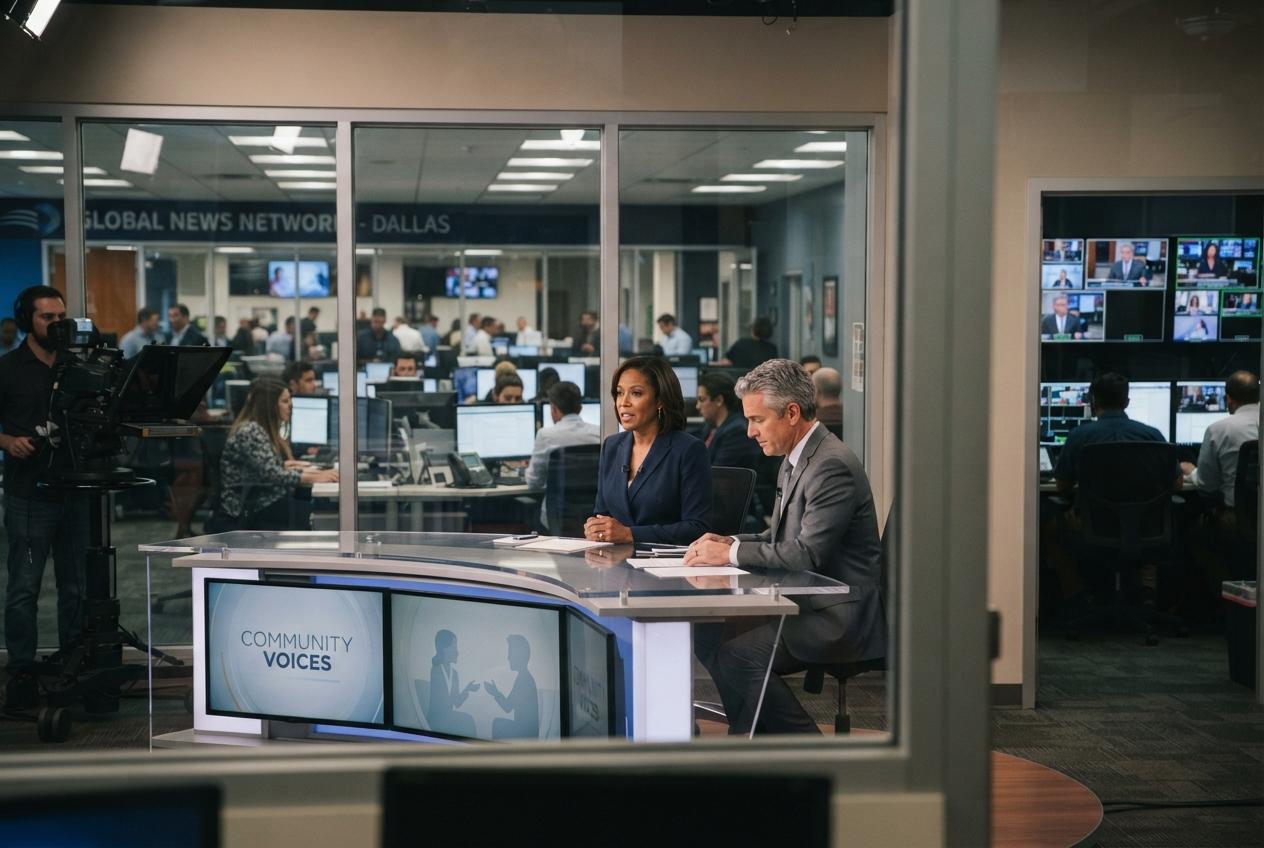
Shoppers of culture are watching this debate closely , the FCC is considering warning labels for TV shows that feature transgender or LGBTQ+ characters, and critics say the move would stigmatise families and children who already watch the same programmes. This matters because it pits government oversight against parental choice and civil-rights groups.
Essential Takeaways
- What’s proposed: The FCC asked whether TV ratings should flag gender identity content, even in TV-Y and TV-G programming.
- Public reaction: About 33,700 comments were filed and roughly 80% opposed the idea, many as original submissions.
- Organisations object: Groups including GLAAD, Human Rights Campaign and Free Press publicly condemned the proposal.
- Political pushback: Democrats and some senators have denounced the inquiry as weaponising policy against trans and nonbinary people.
- Why it matters: Warning labels can carry an implicit message that LGBTQ+ people are risky or inappropriate for children, which affects millions of young viewers and families.
Opening Hook: a federal notice that felt like a flag on family TV
The FCC’s April notice asked whether ratings should disclose “gender identity content” in shows aimed at children, a suggestion that landed with a quiet but unmistakable emotional thud , parents and kids noticed the signal. According to reporting in DNA Magazine, the public comment window generated a large, mostly negative response, and advocacy groups rallied quickly. The sensory detail here is simple: labels change how things feel on the shelf, and in this case they’d change how people feel about other people.
Backstory: why the commission raised the idea The push came from FCC chair Brendan Carr, a Trump appointee, who framed the inquiry around parental concerns that gender identity topics are being included in children’s programming without disclosure. The notice offered no fresh data or studies to justify the change, and that absence helped fuel scepticism and criticism from civil-rights groups and some lawmakers. The debate has the shape of an old argument , who decides what kids watch: state regulators or parents?
The public answered: overwhelmingly against
When the FCC opened the floor, nearly 33,700 comments poured in and roughly four in five opposed labelling LGBTQ+ content. News outlets and advocacy groups flagged how many submissions were original and how many opposing templates were used by supporters of the labels. Independent polling from Morning Consult also sided with parental control, with around two-thirds saying parents , not government , should decide what their children watch.
Political and advocacy reactions that matter Democrats and senators slammed the inquiry as a political manoeuvre. According to reporting and press releases, lawmakers argued the proposal would single out transgender and nonbinary Americans for special scrutiny. Organisations like GLAAD and the Human Rights Campaign said plainly that LGBTQ stories don’t need warning labels, while Free Press called the effort discriminatory. The reaction wasn’t just noise , it’s shaping the optics and likely the legal scrutiny any final rule would face.
What labelling would actually do , and why that’s worrying
Warning labels don’t sit neutrally on a screen. They cue adults and children that something is hazardous, awkward, or out of bounds. Placing a flag next to a show because a character is trans or a family is same-sex sends a message about normality, and that can harm kids who are LGBTQ+ or who grow up in LGBTQ+ households. DNA Magazine noted that nearly a quarter of Americans under 30 now identify as LGBTQIA+, and millions of children are raised by LGBTQ+ parents , a fact that makes broad labelling both impractical and insensitive.
Practical advice for parents and viewers If you’re worried about content, the simplest tool is still the V-chip, ratings and previewing shows with your child. Advocacy groups recommend engagement rather than avoidance: watch together, discuss representation, and use parental controls thoughtfully. If you disagree with government intervention, public comment periods and contacting representatives remain effective ways to push back , the recent FCC comment flood is a case in point.
Where this goes next: decisions, lawsuits and cultural fallout
The comment period closed in June and no final decision has been made. Expect further political theatre and potential legal challenges if the FCC tries to formalise labelling. Meanwhile, culture continues to shift: LGBTQ+ characters are more visible across platforms, and audiences, especially younger ones, are more accustomed to diversity on screen. That momentum matters because regulatory moves that feel punitive can provoke stronger creative and legal responses.
Final thought It’s a small administrative tweak that could send a big social signal , and for now, most people seem to prefer conversation over cautionary stickers.
Source Reference Map
Story idea inspired by: [1]
Sources by paragraph: