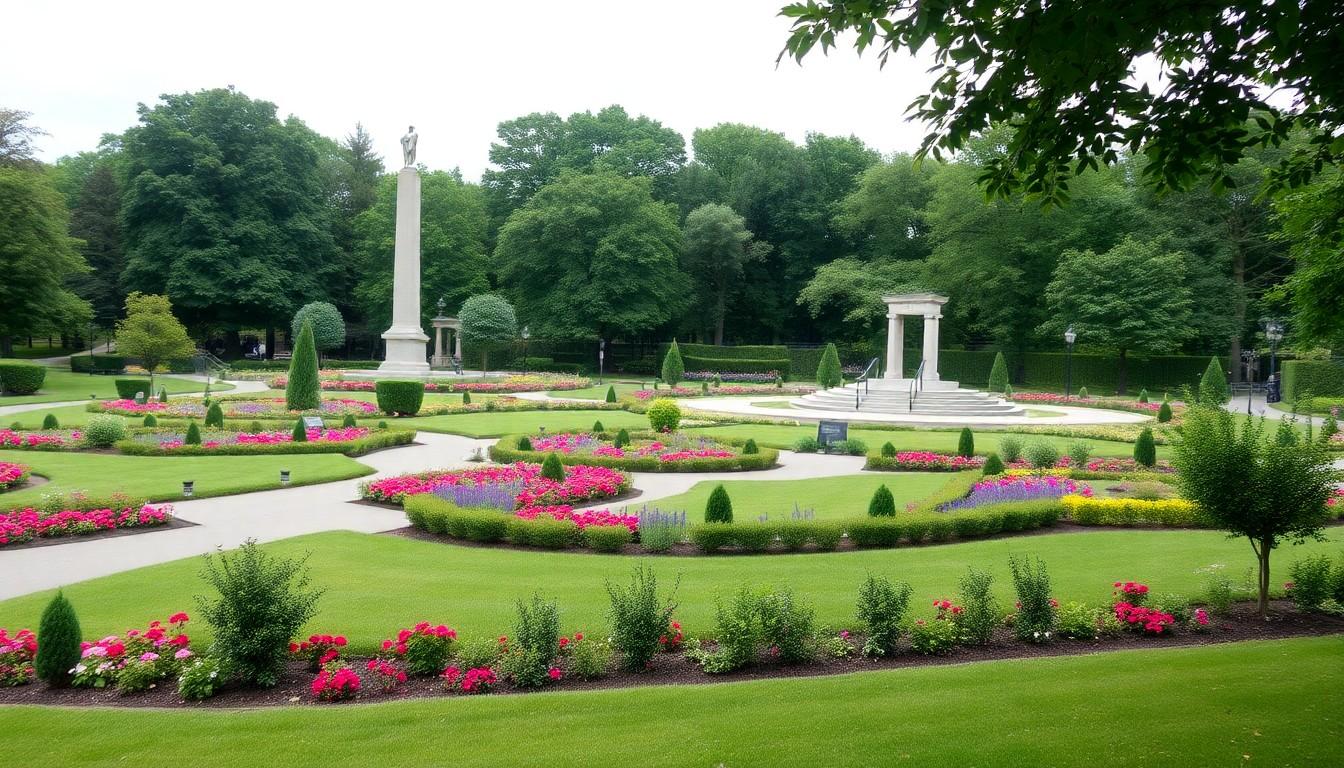
Remembering Michael Hendricks, a Canadian gay rights pioneer who helped turn grief into public space , his work with René Leboeuf created Parc de l’Espoir in Montreal’s Gay Village and helped change how communities remember AIDS while fighting for marriage equality.
Essential Takeaways
- Longtime partner: Hendricks and René Leboeuf were Quebec’s first legally married same-sex couple, after a six-year legal battle and a wedding in April 2004.
- AIDS advocacy: He began activism during the HIV/AIDS crisis, working with ACT UP and campaigning for a permanent memorial to those lost to AIDS.
- Parc de l’Espoir: The park in Montreal’s Gay Village is a durable, quiet memorial and community spot that Hendricks helped create and later defended.
- Community defender: Even in his 80s he led campaigns to protect the park from municipal redesign plans, showing activism doesn’t retire.
- Legacy in numbers: Quebec recorded over 11,000 same-sex marriages between 2004 and 2023, a sign of the social shifts Hendricks helped accelerate.
A life that turned grief into a public place
Michael Hendricks’ activism has a tactile legacy: a small, reflective green space where people stop, read names, and feel seen. According to local coverage, he and his partner pushed for a stone-and-park memorial during the darkest years of the HIV/AIDS epidemic, and Parc de l’Espoir now sits quietly in the heart of Montreal’s Gay Village. You can almost feel the weight of those early campaigns when you visit , the park smells of summer trees and the city’s hum, but it holds a stillness that speaks to loss and care.
The park emerged from direct activism: protests, meetings with city officials, and community organising with ACT UP. That drive turned an emotional need into a municipal commitment, showing how grassroots pressure can win physical monuments. For readers thinking about local memorial projects, Hendricks’ work is a reminder that persistence and clear community demands often change public space plans.
They fought for marriage, and their wedding marked a milestone
Hendricks and Leboeuf’s six-year legal fight for the right to marry cost time and money, but their determination paid off with a wedding in 2004 that made headlines. Their victory in Quebec was one of the dominoes leading to nationwide legalisation the following year. The image Hendricks described , smiling faces, vows read aloud after decades together , underlines how personal the political became for many couples fighting for recognition.
This personal-to-political arc is useful context for anyone tracking how social movements shift law: individual stories, backed by legal challenges and public sympathy, reshape policy. If you’re curious about the mechanics of change, this case shows litigation, media, and community celebration working in concert.
Parc de l’Espoir: design, meaning and why it mattered
Parc de l’Espoir is modest but purposeful: names, plaques, seating and planting designed to invite remembrance and conversation. Montreal’s decision to host the memorial in the Gay Village turned private grief into shared civic memory, making the neighborhood itself part of the story. The park’s placement means it functions as both an intimate commemorative landscape and a public stage for remembrance events.
When city planners later suggested changes, Hendricks and community allies pushed back, arguing for preservation of the park’s meaning. Their campaign persuaded municipal authorities to reconsider, a practical lesson in heritage stewardship: once a space acquires layered meaning, even small redesigns can feel like erasure , and communities will respond.
What his defence of the park says about activism over a lifetime
At 80, Hendricks was still on the phone, rallying neighbours and speaking up at council meetings. That persistence is a human touchstone: activism isn’t just for the young, and institutional memory often depends on elders who keep stories alive. His later years organising to protect Parc de l’Espoir were as much about safeguarding memory as they were about the trees and stones.
For campaigners planning long-term protections for memorials, his example suggests practical moves: document the site’s history, build broad-based local support, and engage early with planners to prevent last-minute proposals that ignore community attachment.
Why Michael Hendricks’ story still matters today
Hendricks’ life ties together two threads we still wrestle with: how societies remember tragedy and how couples win recognition. The quiet park he helped build is a daily lesson in civic compassion, while his marriage with Leboeuf marks a legal and emotional shift that reverberates beyond Canada. Both actions , making space and making law , are blueprints for anyone trying to turn private pain into public protection.
If you visit Montreal, pause in Parc de l’Espoir and listen: you’ll hear ordinary city life, but also the echoes of organising that changed families’ futures. It’s a small change that can make every memory safer.
Source Reference Map
Story idea inspired by: [1]
Sources by paragraph: