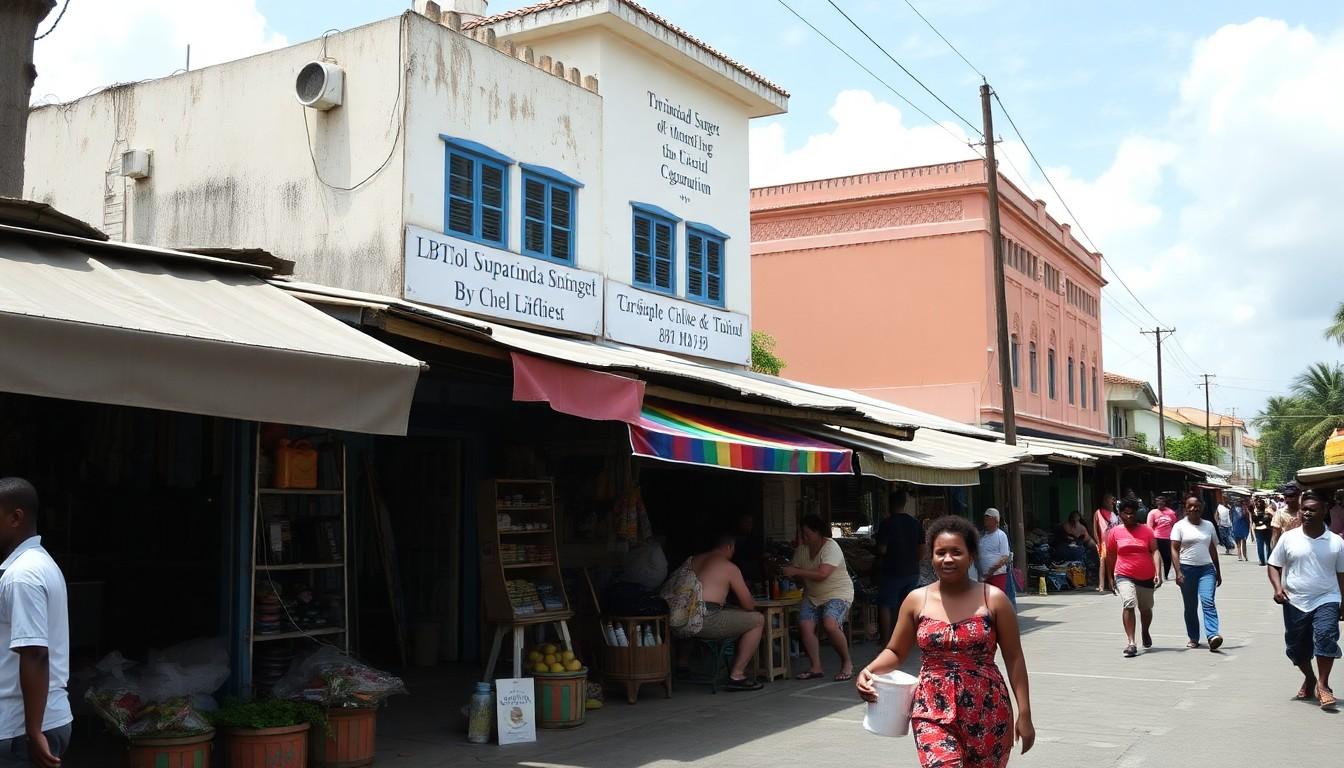
Explore the warmth, the food and the fight , readers and writers from Trinidad and Tobago share what it’s really like to be sapphic there, why local flavours matter, and how community and legal challenges shape daily life. This matters for anyone following global LGBTQ+ lives and looking for honest, hopeful stories.
Essential Takeaways
- Everyday openness: Some sapphic people in Trinidad and Tobago live openly and joyfully, enjoying close community ties and island life.
- Legal pressure: Sodomy-era laws remain on the books, but legal challenges and local advocacy groups are working to change that.
- Safety concerns: Violent crime and targeted extortion, especially against gay men, create real fear and practical risks for queer people.
- Cultural resilience: Local organisations and shifting attitudes give hope, while food and festivals remain essential spaces of belonging.
- Try the food: Roti, doubles and sweet snacks like sugarcake and kurma are described as a must for visitors and a sensory way into daily life.
Opening Hook: living openly, cautiously, and deliciously Trinidad and Tobago can feel like a warm, fragrant place where you can be yourself at a beachfront stall or a small family gathering, yet there’s a darker side that keeps people cautious. According to personal accounts and local advocates, many sapphic people live openly and find joy in the islands’ flora, beaches and lively culinary scene, while others still face rejection and danger.
Backstory: why this perspective matters now Global headlines often focus on places where LGBTQ+ rights are under attack, but on-the-ground voices show a more mixed picture. Community groups and NGOs in Trinidad and Tobago are active; legal challenges aimed at overturning colonial-era laws are progressing through the courts, and local civil-society organisations continue to provide services and advocacy. That combination of grassroots work and legal action is reshaping how people live their lives, slowly and unevenly.
Trends: shifting attitudes and ongoing legal fights Attitudes are changing, especially among younger people, yet legislation dating from the past still criminalises aspects of LGBTQ+ life and can be used to stigmatise. Legal challenges in the appellate courts and campaigning by groups offering health and social services signal momentum. Meanwhile, international organisations and local charities provide practical support, from sexual and reproductive health to community outreach.
Practical insight: what visitors and readers should know If you’re visiting, treat the islands as a place of contrasts: the beaches and street food are irresistible, but exercise common-sense safety precautions and be mindful of local laws and social norms. For readers seeking sapphic stories, books set in different parts of the world help broaden understanding , the everyday details, like food and neighbourhood rhythms, matter as much as headline politics.
Community pulse: organisations and activism on the ground Several local organisations work quietly but persistently to support queer people, providing health services, advocacy and safe spaces. Their work complements legal strategies and keeps community ties strong. For many former activists turned quieter, daily life is now about balance: enjoying family and food, while supporting change where possible.
Cultural flavour: why food and festivals hold so much meaning Sampling local dishes is more than a tourist checklist; it’s a social ritual and a way into people’s lives. Roti and doubles are instant icebreakers, and sweet snacks like sugarcake or kurma carry the kind of comfort that helps people feel at home. For sapphic locals and visitors alike, food can be a gentle, shared language beyond politics.
Outlook: slow progress, steady hope Change rarely arrives all at once, but the combination of legal challenges, active organisations and shifting social attitudes creates cautious optimism. The islands offer warmth and community, and for many sapphic people there’s reason to believe things will keep improving , even if the road is long.
It's a small, sensory-rich picture: enjoy the food, respect the context, and listen to the people who live it.
Source Reference Map
Story idea inspired by: [1]
Sources by paragraph: