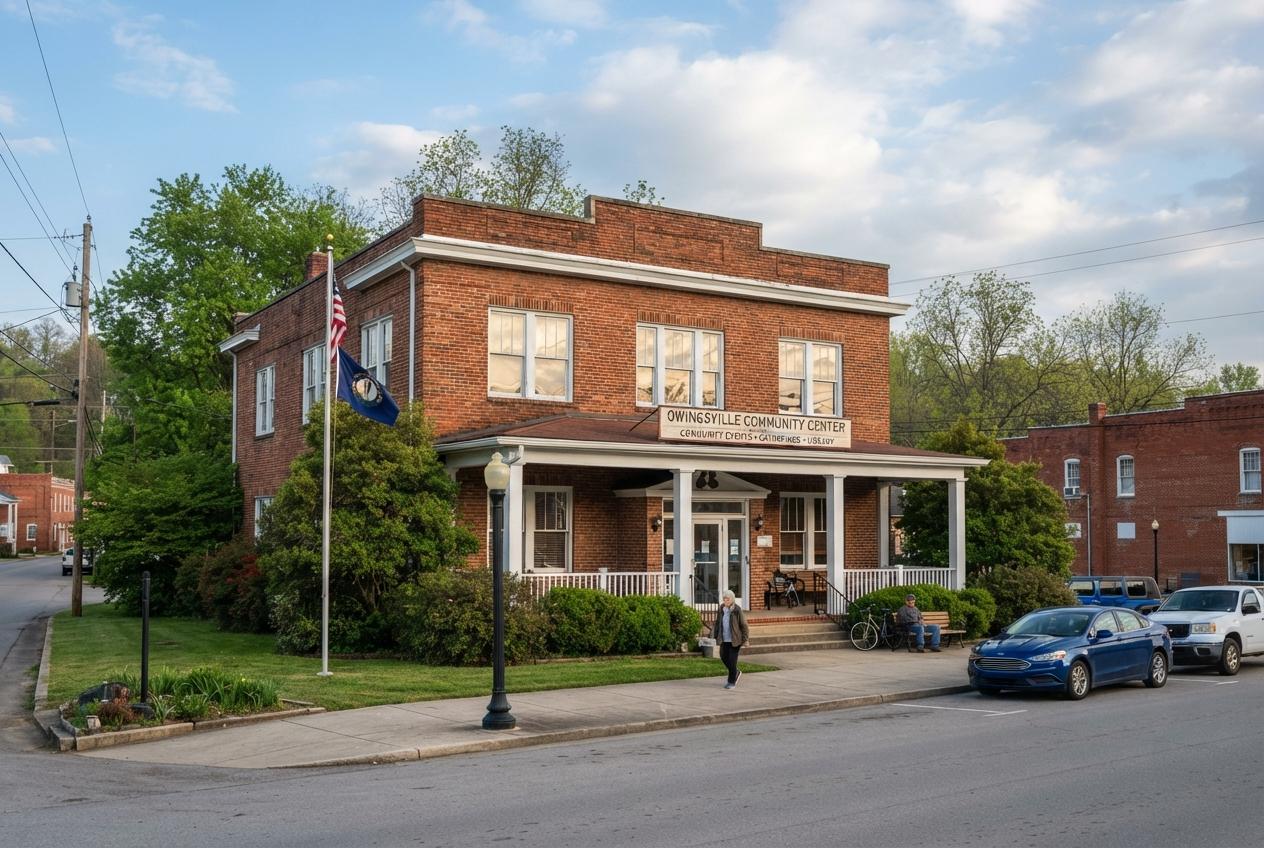
Shifting perceptions are happening on country roads: rural Kentuckians are organising pride, protecting neighbours and insisting their communities recognise them , and that matters for safety, access and simple human joy. This story looks at who’s leading that work, what they face, and why small-town visibility still feels like a radical act.
Essential Takeaways
- Visibility matters: Pride events and quiet day-to-day openness give rural LGBTQ people connection and reassurance, even when large towns resist.
- Safety concerns are real: Organisers in places like Corbin have faced hostile flyers, KKK intimidation and threats, prompting volunteers to step up for security.
- Policy gaps persist: Kentucky still lacks a statewide fairness law; local ordinances exist in pockets but progress has slowed.
- Practical resilience: Communities use small, steady acts , support networks, discreet advocacy and local elected engagement , to create safer spaces.
- Hope and caution: People express optimism that personal relationships will change minds, while acknowledging the hardship of seeking healthcare or protections out of state.
What it looks like to hold Pride where people don’t expect it
In towns that outsiders picture as uniformly conservative, pride can feel like a bright, defiant punctuation mark. Organisers describe the mix of elation and anxiety , colourful banners and music offset by the knowledge someone might show up to intimidate. Local volunteers often convert living-room organising into practical security plans and outreach, and that hands-on, community-rooted approach gives events a grounded, human texture.
This is not performance for tourists: it’s neighbours showing up for one another. According to local reporting, incidents in recent years , like KKK flyers and menacing appearances at rallies , have made safety a core concern, and that changed how groups plan and who they ask to help. Still, for many the emotional lift of visible queer joy makes it worth the risk.
When threats are part of the picture, community organising shifts gears
Threats change logistics. Grassroots leaders report that a wave of intimidation , flyers, open displays of membership in racist organisations, sometimes armed presence at demonstrations , forces planners to prioritise security, communications and volunteers who can manage crowds. That practical pivot is exhausting but effective: online posts seeking help often bring dozens of neighbours ready to steward a safe event.
Local news and national LGBT outlets documented moments where intimidation crossed into danger, so organisers now build contingency plans and work quietly with allies. The result is a lean, resilient model: fewer spectacle moments, more behind-the-scenes care that keeps people protected and connected.
Laws, gaps and the patchwork of protections across Kentucky
Kentucky remains a patchwork when it comes to legal protections. While several towns have passed local fairness ordinances outlawing discrimination in jobs, housing and public spaces, the state still lacks a comprehensive statewide fairness law. Advocacy groups tracked several bills deemed harmful this past year, and some proposals framed around “conscience” protections worry LGBTQ advocates that they would open doors to discrimination.
That legal uncertainty means some families travel for care and many worry about job and housing security. Practical advice for residents: check local ordinances, connect with statewide civil-rights groups and document any incidents , those records matter if you seek legal help later.
Quiet visibility: how relationships can shift minds over time
Many activists say the most powerful change comes not from confrontation but from ordinary contact. When neighbours, coworkers and local officials meet queer people as friends, family members or trusted community members, opinions can soften. Some organisers deliberately choose engagement over escalation , attending council meetings, inviting sceptical locals to volunteer, and simply being present in everyday public life.
There are limits, of course, and progress is uneven. But organisers told reporters they see small wins: businesses offering support, previously unsure councillors listening, and younger generations growing up with more acceptance. That slow, human work is wearing but often effective.
When healthcare and policy affect real lives
Policy debates have concrete consequences. Families in parts of Kentucky have said they travel hours and pay out of pocket for gender-affirming care because of local and state restrictions. That strain is financial, emotional and logistical, especially for rural households with fewer nearby specialists.
The practical takeaway is simple: community networks become lifelines. Local activists share resources, coordinate transportation, and help families navigate out-of-state care. If you’re supporting someone locally, offer time, rides or help finding vetted providers and financial-assistance options.
It's a small change that can make every day feel safer for someone you love.
Source Reference Map
Story idea inspired by: [1]
Sources by paragraph: