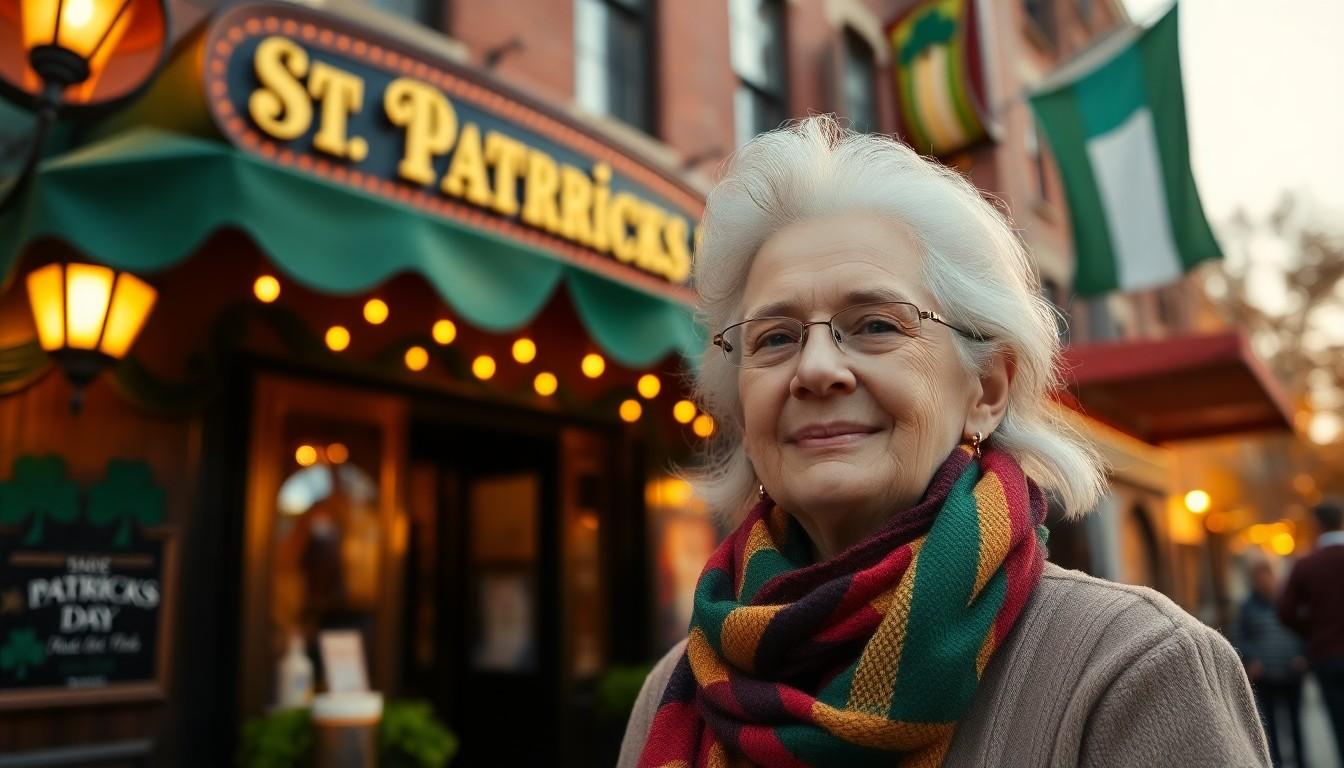
Shoppers are turning to memory and movement as New York’s Irish community mourns Kathleen Walsh D’Arcy , the Irish‑American activist who turned exclusion into a colourful, inclusive St. Patrick’s Day tradition that now feels essential to the city’s calendar. Her work reshaped parade politics and diaspora identity.
Essential Takeaways
- Champion of inclusion: D’Arcy founded St. Pat’s For All to welcome LGBTQ+ groups and other excluded communities, creating a vibrant alternative parade in Queens.
- Grassroots energy: The event began in 2007 and quickly grew into a highlight of St Patrick’s season, known for its warm atmosphere and diverse participants.
- Honoured nationally: She received the Presidential Distinguished Service Award for the Irish Abroad in 2016 and was celebrated at an Irish state dinner.
- Community builder: D’Arcy helped found and lead organisations such as the Lavender and Green Alliance, improving visibility for Irish LGBTQ+ people in New York.
- Personal legacy: Raised in Manhattan with roots in Offaly and Tipperary, she combined social work, teaching and activism with a proud Irish‑American identity.
A new parade, a new kind of welcome
Kathleen Walsh D’Arcy turned the sting of exclusion into something gently defiant and full of colour. When LGBTQ+ groups were barred from marching on 5th Avenue, she helped create an alternative that welcomed them , and in doing so she reshaped how many New Yorkers experience St Patrick’s Day. The parade in Sunnyside, Queens feels grassroots and joyful, with a slightly informal, celebratory hum that many now prefer to the big‑beltway spectacle.
The backstory is simple but striking: organisers and authorities shut groups out, so community organisers made their own space. St. Pat’s For All opened its arms to immigrants, artists, families and human‑rights groups. That inclusive instinct quickly became the parade’s defining feature, and attendees often say the atmosphere feels more genuine, more local, and, frankly, more fun.
From social worker to civic cornerstone
D’Arcy’s life mixed pragmatic social work with a fierce sense of fairness. She was described as a feminist, writer, teacher and community activist , someone who used professional skills to build civic muscle. That combination mattered: she knew how to organise, how to teach and how to keep a long fight sustained.
Her leadership as chair from the parade’s early years helped turn a protest into an institution. People who knew the event say it never lost its welcoming character even as it grew into a city highlight. That balance between fervour and warmth is a rare quality in modern activism.
Changing parade politics and diaspora identity
The story of St. Pat’s For All is also a story about how diaspora communities negotiate identity. For decades, official St Patrick’s parades in New York reflected hierarchical decisions about who represented Ireland abroad. D’Arcy and allies pushed back, insisting that modern Irishness includes queerness, immigration and cultural mixing.
This shift reflects wider trends in diaspora politics , communities embracing plural identities rather than a single, narrow orthodoxy. Organisations like the Lavender and Green Alliance, which D’Arcy helped lead, turned visibility into policy pressure. The result: a more plural, resilient Irish community in New York.
Recognition, grief and a public legacy
Her work didn’t go unnoticed. In 2016 she received the Presidential Distinguished Service Award for the Irish Abroad and was honoured in Dublin at a state dinner. Public figures from the consulate to former ministers offered condolences, noting how her efforts reached beyond pageantry to affect real social change.
For many, the passing is personal: friends and parade volunteers remember her as a steady organiser with a warm laugh and a stubborn belief that everyone could march together. Grief has been mixed with gratitude , people are already talking about carrying her ethos forward.
How to honour her work today
You don’t need to be an organiser to keep D’Arcy’s legacy alive. Go to a St. Pat’s For All event, volunteer, or donate to groups that support LGBTQ+ and immigrant communities. If you’re planning a community event, think inclusion first: size signage clearly, invite diverse groups, and pick accessible routes and times.
Her approach was pragmatic: make a space where people feel welcome, then keep showing up. That’s a practical blueprint for anyone trying to change local traditions.
It's a small change that can make every parade safer and every celebration truer to the people it seeks to represent.
Source Reference Map
Story idea inspired by: [1]
Sources by paragraph: