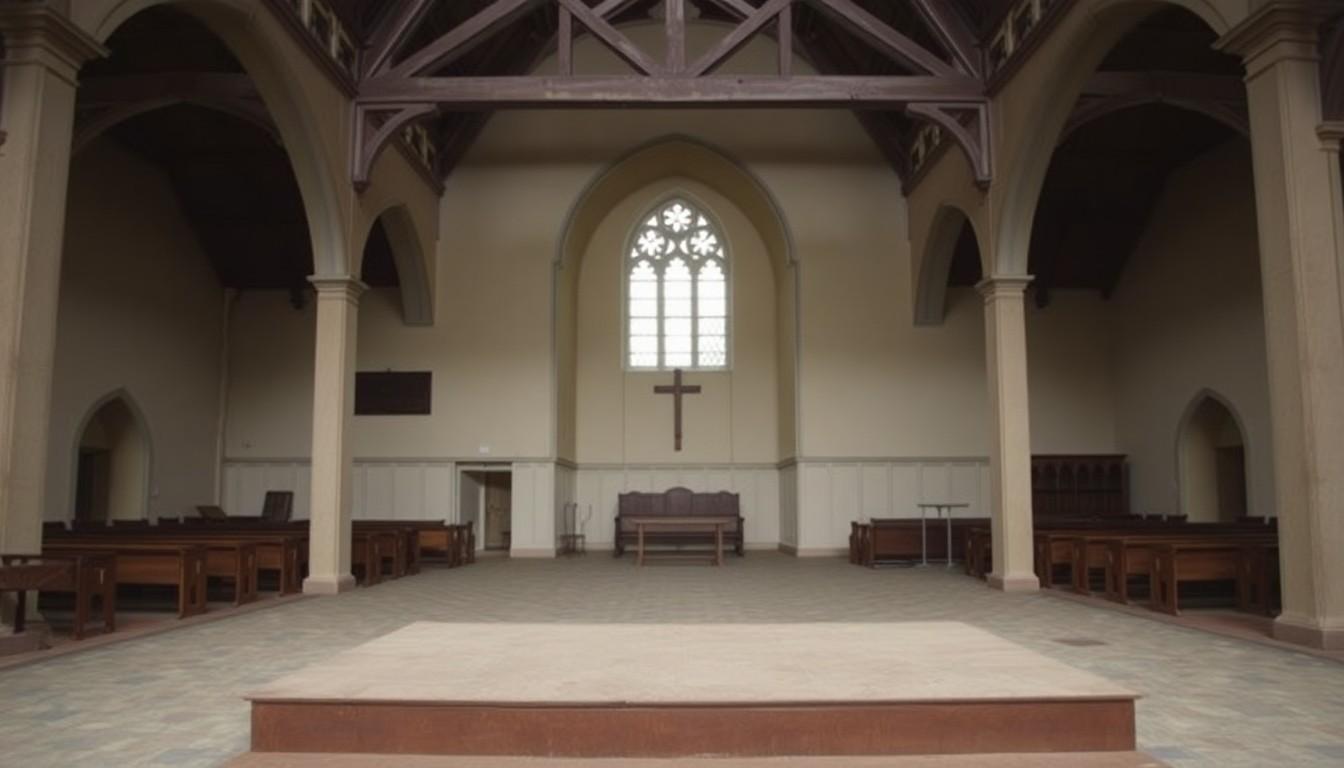
Shoppers are turning to reclaimed sacred spaces for edgy queer performance, but when Sydney’s new Divine Playhouse opened in a deconsecrated church it quickly ran into protests, a landlord notice and a legal fight , a story that shows why queer communities need secure, artist-run venues.
Essential Takeaways
- What happened: Divine Playhouse opened in Sydney on 8 July and faced protests and a landlord notice to cease “offensive trade,” forcing closure and postponed events.
- Artistic method: Queer performance often uses parody, camp and ritual inversion to critique religion; it can feel provocative and joyful at the same time.
- Historic precedent: Churches have long hosted queer art and activism , from St Mark’s in New York to community events in UK and Australian churches.
- Practical need: Secure, non-commercial spaces are crucial; city acquisition models and council-backed conversions offer templates for protection.
- Sensory note: These venues bring a tactile, atmospheric quality , echoing vaults, stained glass light, and a startling mix of sacred architecture with playful drag and music.
Why Divine Playhouse’s opening sparked such a swift reaction
The headline moment was vivid: a deconsecrated church turned queer arts venue, a crowd inside, protesters and prayer outside, and the landlord issuing a notice within 48 hours. It felt dramatic and a little inevitable. According to local reporting, fundamentalist groups called for action and the owner labelled the activities “offensive trade,” prompting the temporary closure. This shows how quickly cultural friction can escalate when contested meanings meet property law.
Backstory matters here. Queer performances that parody religious ritual have long provoked strong responses internationally, and that history shapes expectations and reactions. For event organisers, the takeaway is practical: check lease clauses, plan for contingency venues, and build public-facing communications to explain artistic intent before tensions flare.
Queer art has always riffed on religion , and not just to provoke
From drag nuns to punk prayers, queer artists use pastiche and camp to reclaim and question exclusionary traditions. The tactic is often playful rather than merely antagonistic , an ironic embrace that can open space for conversation, or, sometimes, anger. Performers and communities see this as an act of reclamation: repurposing iconography that once marginalised them into tools for visibility and critique.
That history explains why religious imagery crops up repeatedly in queer work. If you’re a promoter, be aware of the likely reactions and frame the performance clearly: content warnings, artist statements and community engagement can soften backlash without diluting the piece.
Churches make magnetic venues , acoustics, atmosphere and the politics
There’s a reason promoters love churches: soaring ceilings, resonant acoustics, and a built-in theatre that’s atmospheric and intimate. Globally, active churches have hosted dance, poetry and avant-garde projects, and deconsecrated spaces have been reclaimed as theatres and galleries. These settings bring a tactile beauty that enhances performance in ways club basements rarely can.
But churches are also symbolic ground. Even deconsecrated buildings carry cultural weight, and that can create “theological tensions” with residents, congregations or landlords. Event planners should weigh the aesthetic benefits against potential disputes, and consider early dialogue with local faith communities when possible.
The precarious economics of queer spaces in expensive cities
The Divine Playhouse case also exposes a broader problem: queer venues are disappearing, especially spaces founded by and for women, trans and gender-diverse people. Rising rents and market pressures make it hard to keep those doors open in cities like Sydney, one of the world’s least affordable markets. That fragility means vital cultural incubators vanish, taking artists and audiences with them.
There are models to borrow. Cities like New York have bought properties specifically to house artist-run organisations, and Australian examples exist where councils helped convert churches into arts spaces. For activists and funders, the clear policy ask is unrestricted, long-term support and mechanisms that let communities own or govern their venues.
What organisers, artists and audiences can do next
First, plan with contingencies: secure insurance, clear contracts and a legal strategy for freedom-of-expression conflicts. Second, invest in community outreach , explain the art, invite dialogue, and offer content advisories. Third, advocate for structural solutions: council-backed purchases, philanthropic underwriting and artist-led trusts that remove property from speculative markets.
There’s a human side to all this. Queer venues aren’t just stages; they’re social glue and mental-health lifelines. Protecting them means protecting a city’s cultural vibrancy.
It's a small change that can make every reclaimed nave or crypt a safer, braver place for queer art.
Source Reference Map
Story idea inspired by: [1]
Sources by paragraph: