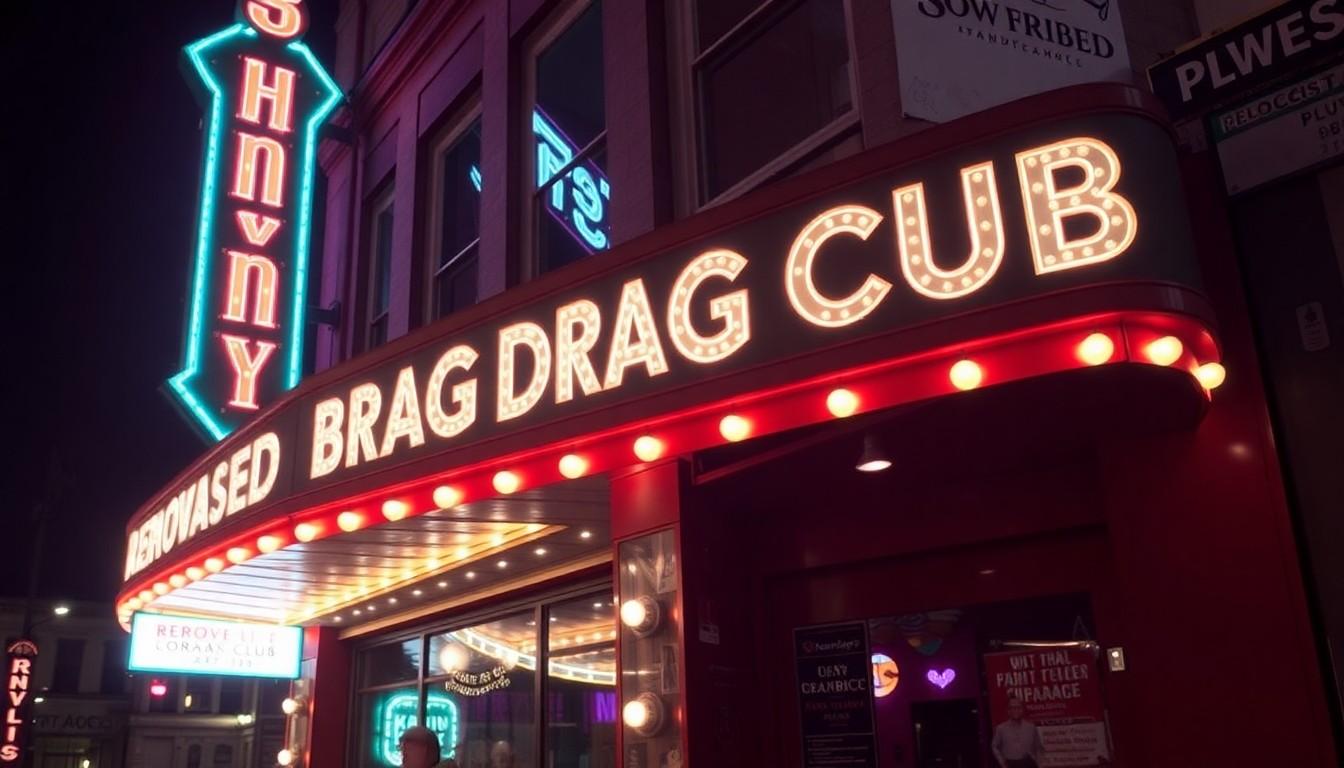
Shoppers aren't the only ones celebrating , clubgoers, performers and city leaders turned up at the newly renovated Oasis in San Francisco for a jubilant grand re-opening that feels equal parts rescue and reminder about how fragile queer nightlife really is. Here's what happened, why it matters, and what comes next for venues trying to survive in an expensive city.
Essential Takeaways
- Big rescue: Philanthropic dollars from a prominent family helped buy and reopen Oasis, keeping the venue independently minded but newly funded.
- Warm welcome: The reopening night was full of joy, nostalgia, and packed performances, with a lively, celebratory atmosphere.
- Lingering worries: Staff and regulars voiced concern about long-term sustainability and political pressures in the wider climate.
- Safety focus: Management emphasised Oasis will remain a safe space, with staff trained and visible policies against transphobia and homophobia.
- Renovation + programming: The club reopened after a major makeover and plans to broaden its programming to support staff wages and diversify revenue.
A triumphant return , joy and relief on the doorstep
The dominant mood at Oasis’ reopening was unabashed happiness, the kind that lands in your chest when a beloved local institution dodges the wrecking ball. Patrons lingered outside swapping memories of other lost haunts; for many it felt like a little piece of city life had been restored. According to local reporting, the party was packed with regulars, family groups and a clutch of new faces, all soaking in the renovated space and the familiar drag spectacle. For long-time supporters, the scene offered both relief and a sharp reminder that such rescues are rare.
How the rescue happened , philanthropy meets indie arts
The club’s unexpected salvation came courtesy of a major donation from a private family that enabled the purchase of the building and the launch of a new nonprofit, Oasis Arts. Owners insist creative freedom remains intact, even as the venue enters a new financial chapter. That arrangement gives Oasis a second life but raises questions about replicability: not every venue can rely on million-dollar benefactors, and relying on philanthropy may reshape which spaces survive and why.
Politics, identity and the stage , why reopening feels political
This re-opening arrives at a tense political moment, and not all decisions are purely aesthetic. Guests and staff openly linked venue survival to broader fights over queer rights and safe public spaces. A local candidate turned up quietly to show support and called for city budget efforts to prioritise small LGBT businesses; for many attendees, the reopening felt like a public act of cultural defence as much as a party. That mix of celebration and civic urgency made the evening feel both joyous and politically charged.
Business reality , can nightlife adapt to changing habits?
Several regulars flagged a practical worry: late-night drinking and dense crowds have historically paid the bills, but younger audiences drink less and the cost of running a club in San Francisco keeps rising. Owners say they plan to diversify programming and pay living wages, moves aimed at stabilising income and retaining staff. Practically, that means mixing ticketed shows, daytime events and community programming to build steadier revenue without sacrificing the club’s edge.
Safety measures and the human side of reopening
Management has doubled down on safety details , from signage encouraging patrons to report homophobia or transphobia to staffing choices meant to protect performers and attendees , because the promise of a welcoming space was central to the reopening ethos. Staff largely returned from the former Oasis, and organisers emphasised training and clear enforcement. For many in attendance, that commitment to safety made the celebration feel earned rather than risky.
What to watch next , programming, politics and preservation
If Oasis’ rebirth is a model, it’s an imperfect one: it shows that rescue is possible, but also that long-term survival will depend on diversified income, community advocacy and municipal support. Keep an eye on the club’s new calendar , how often it stages non-drag events, ticket prices, and whether it builds partnerships with local arts groups. Those choices will say whether Oasis can be both a beloved nightlife landmark and a sustainable arts organisation.
It's a small yet meaningful victory for queer nightlife , and a reminder to back the places you love before they're gone.
Source Reference Map
Story idea inspired by: [1]
Sources by paragraph: