Celebrate a landmark: Canadians and advocates are remembering how the Civil Marriage Act of July 20, 2005, enshrined marriage equality nationwide , a legal capstone after years of courtroom battles, grassroots organising and bold couples who forced change across provinces. This anniversary matters because it honours both law and lived lives.
Essential Takeaways
- When: Canada’s Civil Marriage Act came into force on 20 July 2005, changing the legal definition of marriage to “the union of two persons.”
- Court groundwork: Ontario’s Halpern v. Canada (10 June 2003) made the province the first place in North America to legalise same‑sex marriage, prompting other provinces to follow.
- Early pioneers: Couples married in Ontario in 2001 via banns or clerical oversights helped spark legal challenges that reshaped national law.
- Wider context: The Netherlands, Belgium and Spain had already legalised same‑sex marriage; Canada was the first country outside Europe to do so.
- Emotional note: Advocates stress the win was built on community organising, litigation and the visible courage of couples, including women of colour whose stories risk being overlooked.
Why July 2005 still feels like a ceremony , and not just a law
Even now that the Civil Marriage Act sits in statute books it feels like a final bow for something that had already been happening in congregations, kitchens and courtrooms. The change in wording , from “man and woman” to “two persons” , is a crisp legal gesture, but the smell of flowers and the quiet clapping at kitchen‑table ceremonies had been part of the story for years. According to parliamentary texts, the Act formally extended marriage across provinces, yet the momentum had been building provincially and municipally long before MPs voted.
How grassroots action and courtroom strategy met in Ontario
The Halpern v. Canada ruling in June 2003 was the hinge moment. Ontario’s Court of Appeal held that excluding same‑sex couples from civil marriage violated the Charter, and the decision took effect immediately. That judicial victory didn’t come from Parliament but from couples and lawyers willing to litigate and communities willing to stand behind them. Observers say the provincial rulings created a domino effect: once marriages were recognised in Ontario, other provinces moved quickly to avoid legal and human fallout.
The pioneers , banns, clerical oversights and brave ceremonies
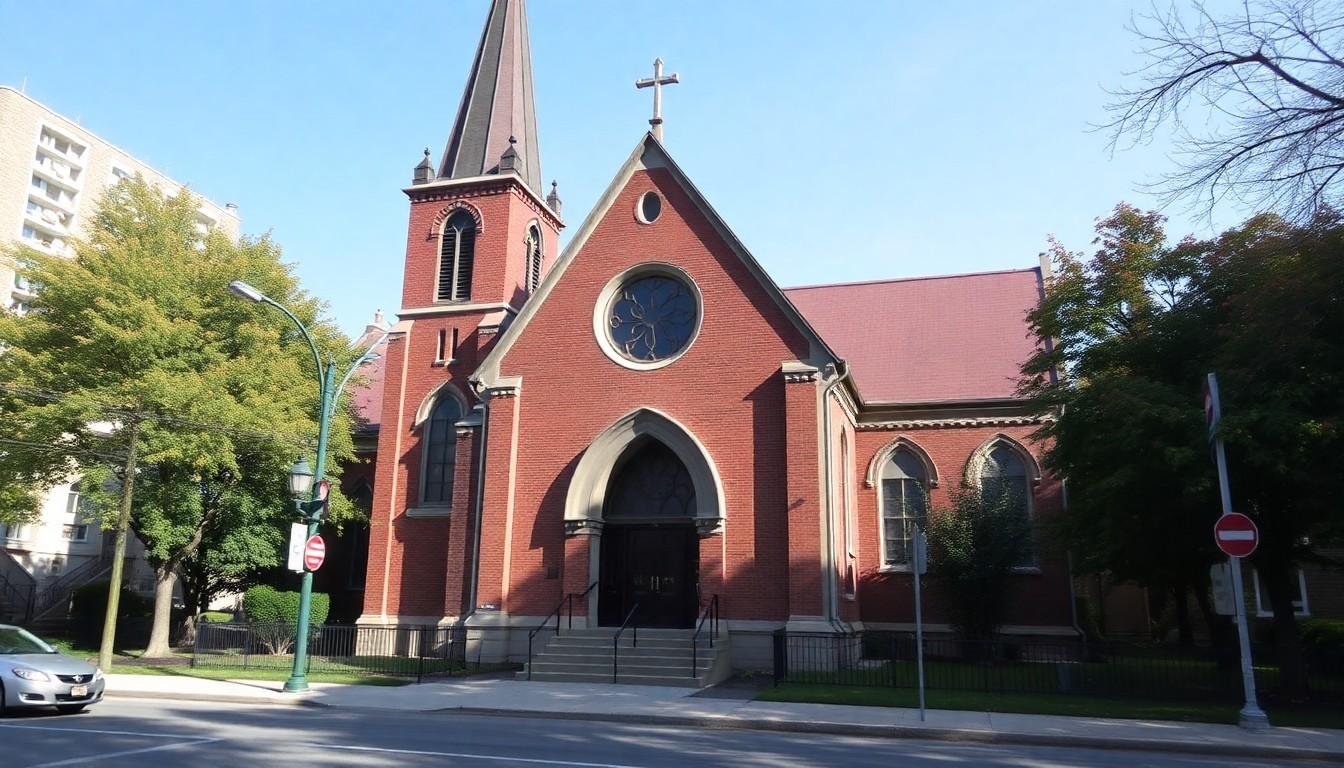
Long before the federal law, there were creative workarounds. In January 2001 two marriages were solemnised by the reading of banns, an old Christian practice that bypasses licences, and another couple received a certificate after an administrative error; those ceremonies later became central to court challenges. These moments are vivid because they show how ordinary people , ministers, small congregations, same‑sex couples , pushed an institutional door until it opened. It’s a reminder that legal progress often unspools from small, courageous acts.
Canada in a global timeline , fourth country, first outside Europe
It’s worth placing Canada on the map. The Netherlands led the way in 2001, with Belgium and Spain following before 2005. Canada’s 2005 federal law made it the fourth country globally to legalise same‑sex marriage and the first outside Europe to do so. That international framing helps explain why the change was both a domestic rights milestone and a diplomatic nod to shifting ideas about equality worldwide.
Why the anniversary still matters , and what to remember
Advocates stress this anniversary shouldn’t be mere celebration theatre. It’s a chance to remember the community organising, the legal strategy, and the diversity of the couples whose choices forced change. As some veterans of the movement note, history sometimes gets simplified , the story must include the ministers, women of colour, and small congregations who risked licences and reputations. Practically, it’s also a moment to recognise ongoing gaps in rights and to support groups still fighting discrimination.
It's a small change on paper with a huge human echo , worth remembering, and worth redoubling efforts to protect equality.
Source Reference Map
Story idea inspired by: [1]
Sources by paragraph: