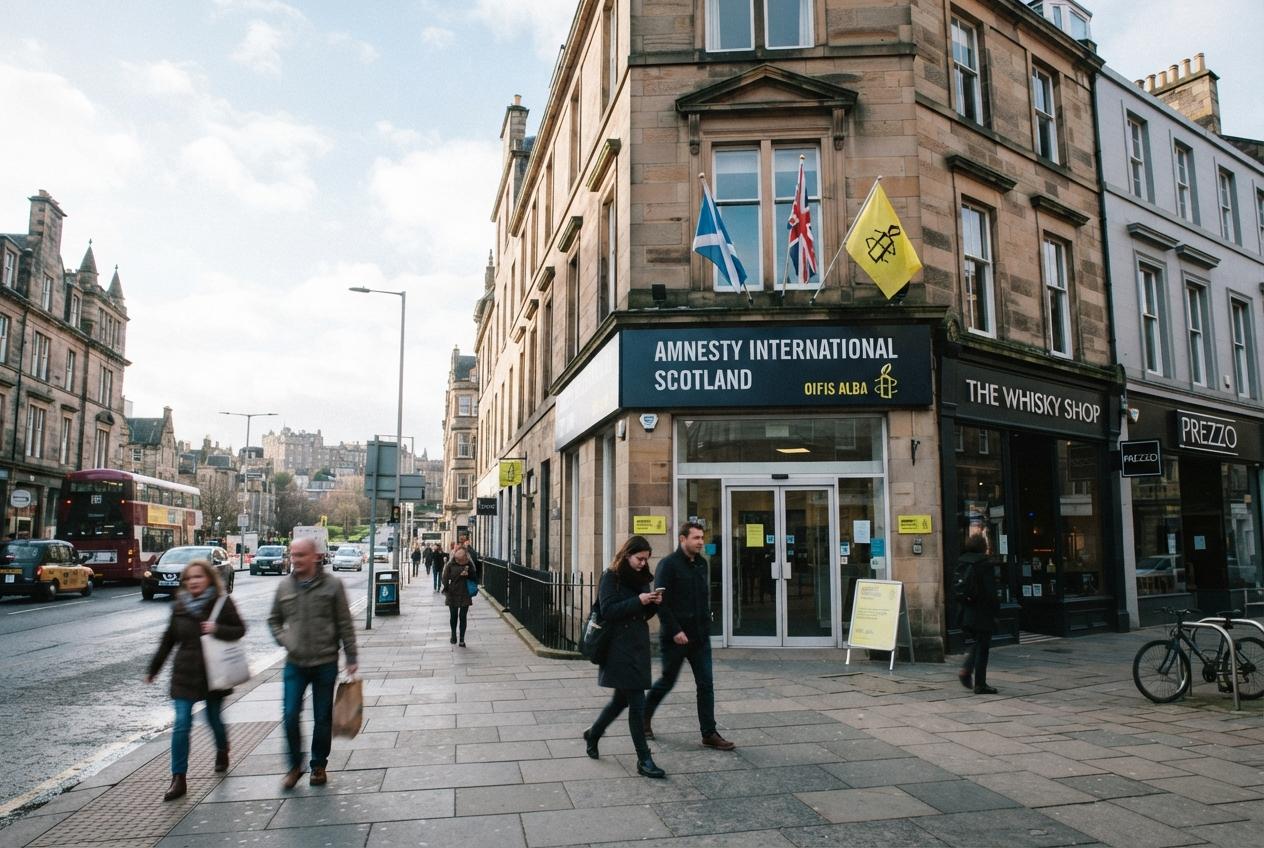
Watchdog wobble: readers and donors are questioning Amnesty International after a controversial UK report labelled more than 100 groups “anti-rights”, sparking legal threats, celebrity rebuke and renewed debate about neutrality in human rights campaigning. Here’s what happened, why it matters, and what donors and activists should look for next.
Essential Takeaways
- Major backlash: Amnesty published a UK report naming over 100 groups as “anti-rights,” prompting immediate outrage and legal letters from several organisations.
- High-profile anger: JK Rowling and public figures including John Cleese expressed fury, with Rowling offering financial backing for legal challenges against Amnesty.
- Institutional wobble: Amnesty temporarily withdrew the report, said it hadn’t gone through proper internal review, and faces questions over editorial controls.
- Broader trend: Critics say this is part of a wider shift in which rights organisations risk being seen as politically aligned rather than neutral watchdogs.
- Practical point: Donors and partners should expect clearer governance, transparent evidence and swift redress when a charity’s public statements damage reputations.
A public flame, not a slow burn
Amnesty’s decision to publish a list of UK organisations it described as “anti-rights” lit up social and legal flames almost immediately, and the reaction was visceral. For many supporters the shock came from seeing charities and women’s services named alongside political groups, and that sensory image , reputations splashed across a list online , felt brutal and final.
The charity has since pulled the report and said it was uploaded without the usual reviews. According to commentators, that admission has only deepened worries about process rather than calming them. Donors hate ambiguity; they like the satisfying click of robust fact-checking.
From Secret Policeman’s Ball to social media storms: losing the cultural soft power
Amnesty once enjoyed broad cultural goodwill, boosted by events such as the Secret Policeman’s Ball, which in the 1970s and 80s helped the charity become a household name and drove membership. Those benefit shows brought comedians and musicians together to raise money and profile, and the goodwill translated into sustained public support.
Today’s controversy shows how fragile that goodwill can be. When a charity with cultural cachet is seen to misstep, the fallout is multinational in seconds , social media circles, legal teams and celebrity counters. That’s not just noisy; it can cost cash and credibility.
Practical takeaway: organisations seeking to partner with charities should ask about review processes and escalation pathways before lending their name.
Rights work or political positioning? The question of neutrality
This row raises the perennial argument: can human rights organisations remain neutral while campaigning? Amnesty has previously taken stances that split opinion, from reports on conflicts to policy positions on sex work and abortion. Some of those choices have been defended as principled; others have been criticised as ideologically loaded.
The recent naming of groups described as “not trans inclusive” has stung because it reached into delicate social debates about sex, gender and women’s services. Critics argue Amnesty moved from documenting abuses to adjudicating complex cultural disputes, which risks alienating longstanding supporters.
Practical insight: when a charity moves from evidence-gathering to advocacy labels, donors should expect clearer methodology and opportunities for independent review.
Legal and reputational fallout is expensive , and fast
The legal letters landed quickly. Organisations named on the list demanded withdrawal, explanation, apology and compensation for reputational damage. JK Rowling offered to underwrite legal proceedings for those who choose to sue , a move that both signals the depth of anger and the potential scale of financial exposure for Amnesty.
Beyond legal costs, the reputational hit could translate into falling donations, lost corporate partnerships and a draining internal focus on crisis management. For charities that rely on public trust, these are existential risks.
Practical tip: if you give to human rights groups, check whether the charity has public statements on legal liability, corrections policy and how it handles reputational disputes.
What should Amnesty do next , and what should we watch for?
Amnesty’s temporary withdrawal of the report and the acknowledgement of a process failure are necessary first steps, but they’re not enough. A fulsome, public explanation and a commitment to reparative action , including apologies where warranted and clear independent review of how the list was compiled , would help rebuild trust.
Meanwhile, donors, partners and activists should watch for concrete governance changes: independent audits of methodology, publicly available review minutes, and a timetable for corrective measures. Those are the signs that a charity intends to mend, not merely weather, the storm.
Closing line It’s a small change in process that could make the difference between a charity’s comeback and a long decline , and donors should demand nothing less.
Source Reference Map
Story idea inspired by: [1]
Sources by paragraph: