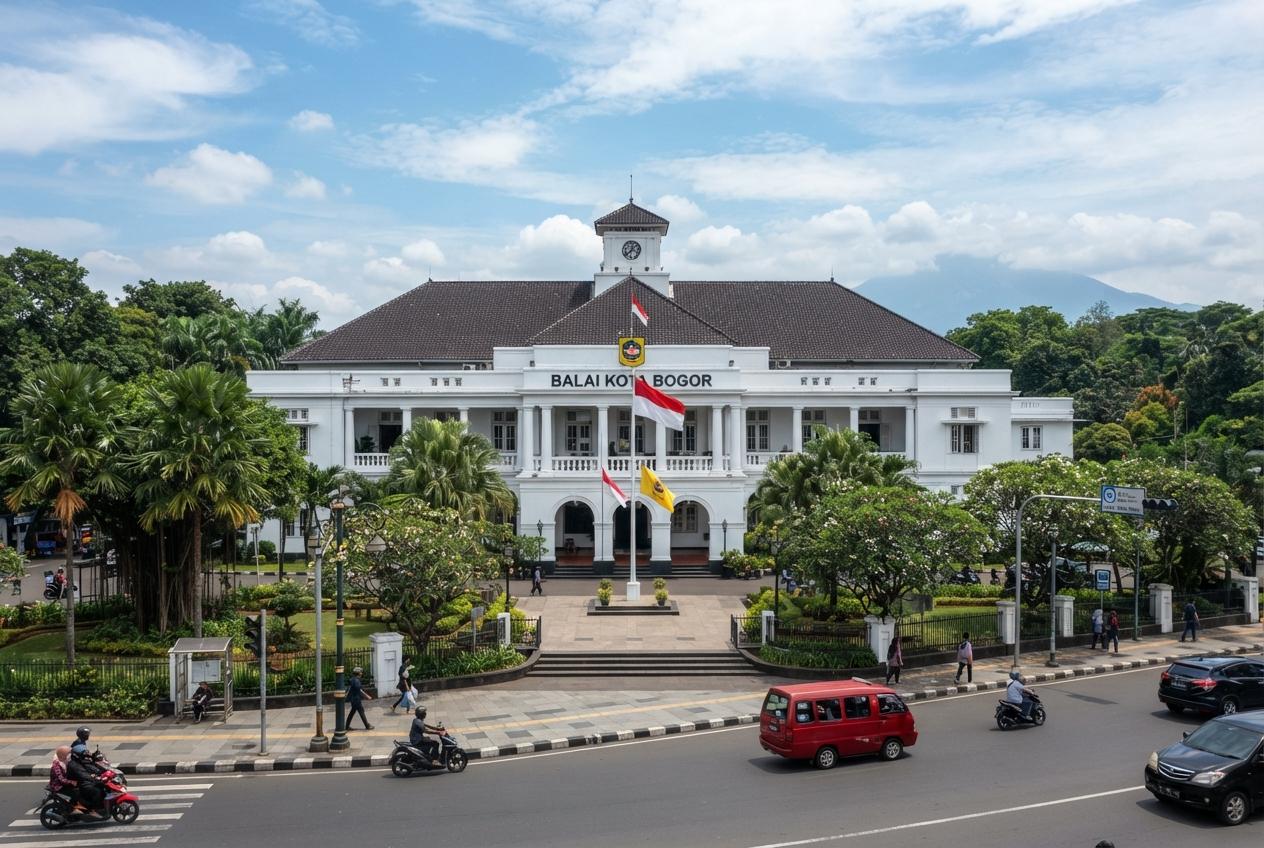
Shoppers, commuters and residents in Bogor have watched in horror as videos of young men chasing, beating and humiliating transgender women went viral this week , a sign that public anti-LGBTQ+ vigilantism in Indonesia is growing and feeding a wider political debate about rights, safety and state responsibility.
Essential Takeaways
- Viral footage: Disturbing videos show a mob chasing and assaulting a trans woman in Bogor, with perpetrators filming and humiliating the victim.
- Pattern of attacks: Amnesty International Indonesia says at least 10 trans women faced three separate mob attacks in Bogor over two months.
- Political backdrop: Rights groups link the rise in violence to a 2025 presidential regulation that labelled “promotion of LGBT culture” a non-military threat.
- Official reactions: Indonesia’s human rights minister condemned vigilantism but government-backed demonstrations and draft bills criminalising LGBTQ+ conduct worry activists.
- Local outrage: Musicians, activists and human rights groups have publicly denounced the attacks and urged arrests and protections for victims.
What the footage shows and why it landed like a punch in the gut
The raw videos circulating on social platforms show a group of young men chasing a trans woman through Bogor streets, beating her and recording the assault. Witnesses and journalists describe scenes of public humiliation, including the perpetrators spraying what appeared to be liquid from bottles onto the victim. The images are unsettling and have sparked condemnation from neighbours and national commentators alike.
Amnesty International Indonesia has documented multiple attacks in the city over recent weeks, suggesting this is not an isolated incident but part of a worrying pattern. For many viewers the footage stripped away distance , you could hear the street, the shouts, the helplessness , and that visceral quality has pushed the story into national conversation.
How activists and public figures are reacting , and what they’re demanding
Local rights groups and musicians have publicly condemned the assaults. Human rights organisation statements call for swift investigation and prosecution of attackers, and public figures have urged authorities not to let vigilantism become normalised. Arus Pelangi and Amnesty have both demanded accountability and protections for queer people.
The message from campaigners is straightforward: arrest the perpetrators, provide support for victims, and stop the social climate that tolerates violence. Online, activists are collecting evidence and pressuring police to act , but they warn that rhetoric from political leaders and influential groups is making enforcement harder.
The wider policy context: a presidential order and rising anti-LGBTQ+ rhetoric
Experts and campaigners point to a presidential regulation from October 2025 that quietly listed the “promotion of LGBT culture” among non-military threats to national security. That classification, activists say, has given public and local officials permission to treat LGBTQ+ identities as a problem to be stamped out rather than citizens entitled to protection.
Meanwhile, some regional authorities have joined anti-LGBTQ+ demonstrations or hosted signage denouncing queer people, and Indonesia’s top Islamic scholars’ body has discussed drafting criminalisation measures. The combination of top-level documents and local actions is shifting the climate from hostile rhetoric into street-level danger.
What law and officials say , and the contradictions that matter
Formally, consensual same-sex relations aren’t criminal offences under Indonesian law outside Aceh’s separate Islamic legal system. Indonesia’s Human Rights Minister Natalius Pigai has publicly condemned vigilantism and reiterated that LGBTQ+ citizens are entitled to public services and protections.
But Pigai also signalled the state’s ability to restrict certain rights in the name of “public morality,” a phrasing that can be interpreted broadly. That line , condemning violence while allowing moral exceptions , worries activists who see it as a legal grey zone that emboldens vigilantes and local officials.
Practical context: what this means for LGBTQ+ Indonesians and allies
For queer people in Bogor and across Indonesia the immediate concern is safety: avoiding hotspots for demonstrations, documenting incidents, seeking medical and legal help and connecting with local NGOs. Human rights groups advise collecting evidence, making formal reports to police, and using community networks for emergency support.
Allies can help by amplifying verified reports, donating to legal and medical funds, and pressing local representatives for investigations. International scrutiny and media attention also make a difference; authorities are likelier to act when incidents get sustained coverage.
It's a dangerous turn, but not unchangeable: law, civic pressure and witnesses matter.
Source Reference Map
Story idea inspired by: [1]
Sources by paragraph: