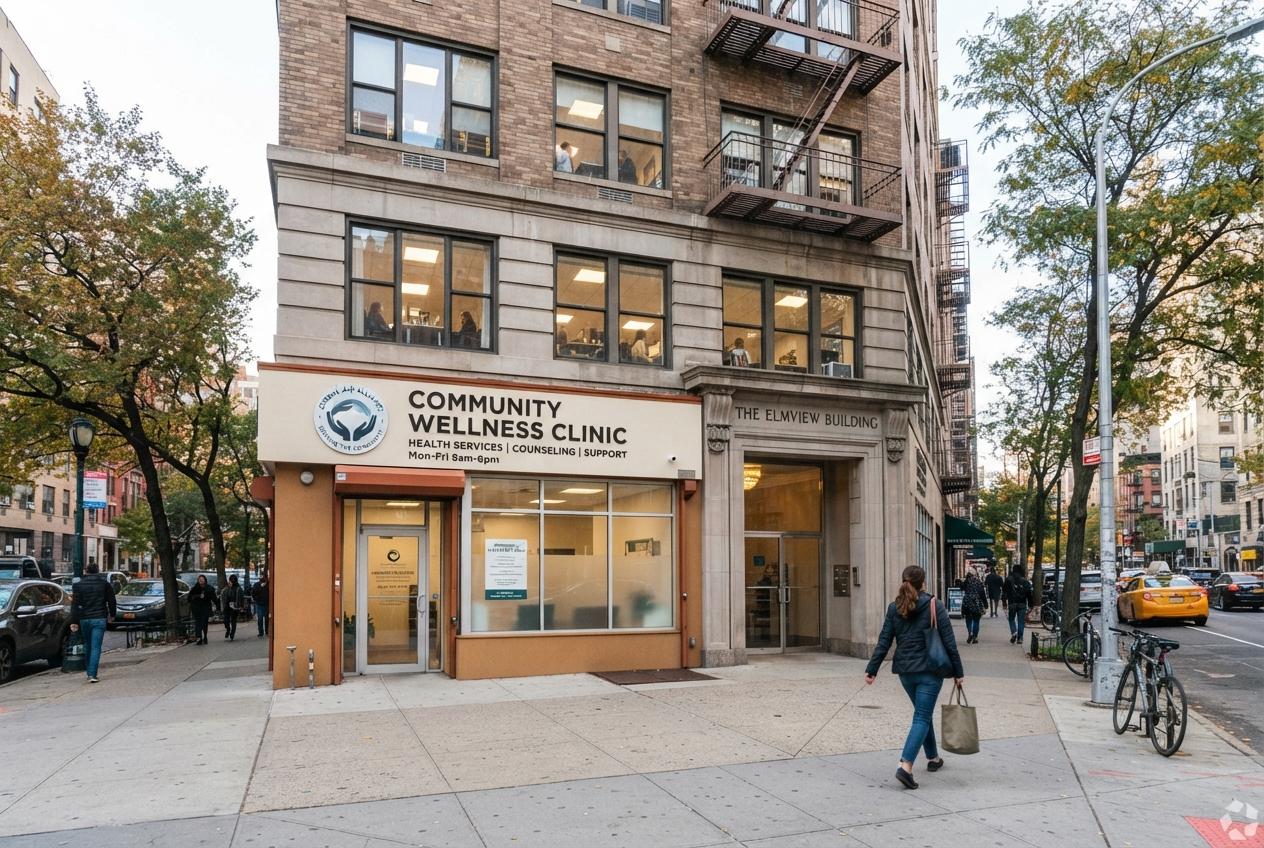
Shoppers of public health are sounding the alarm: community-based HIV testing and prevention services face steep uncertainty after a key CDC funding stream lapsed, and that matters for people who rely on free or low-cost prevention, testing, and outreach across the US.
Essential Takeaways
- Funding lapse: A critical CDC HIV prevention programme recently expired, putting community groups’ grants at risk.
- Local impact: Community-based organisations report some may close without renewed support; services like testing and outreach are on the line.
- Policy shift: The administration’s budgetary choices prioritise care and treatment funding while proposing deep cuts to prevention and surveillance.
- Human cost: Reduced prevention can increase undiagnosed infections, slow progress on ending HIV, and widen disparities for marginalised communities.
What just happened , and why it feels sudden
Advocates say a long-standing prevention funding line at the CDC has lapsed, leaving community groups with uncertainty and, in some cases, immediate financial strain. The scene is tense and practical: clinics and outreach teams operate on tight margins, and a sudden gap in grant renewals means staff pay, testing supplies, and mobile outreach vans could be in jeopardy. Reuters and Stat reporting have captured the scramble, and local leaders describe the feeling as watching a safety net fray.
Behind the headlines is a policy choice. The current federal budget direction keeps funding for HIV care, treatment and PrEP intact while proposing to end or reduce prevention and surveillance grants. That reshuffles where dollars go and who stands to lose the most: small, community-led providers who reach people conventional health systems miss.
Why community-based groups matter for prevention
Community groups are often where prevention lives: they offer free rapid testing, needle exchange, culturally competent counselling, and PrEP navigation with a soft, human touch. UNAIDS and community advocates have repeatedly noted that peer-led services are particularly effective for marginalised populations. Those services are quieter than hospitals but no less vital , they meet people where they are, often in church basements, bars, or on the street.
From a practical point of view, losing these providers means fewer testing sites, longer delays to diagnosis, and slower linkage to treatment or PrEP. That translates into more onward transmission and setbacks in the goal to end the epidemic. If you care about narrowing disparities, prevention funding matters as much as treatment dollars.
What the financial changes mean in real terms
Reports indicate the administration aims to prioritise treatment and PrEP while phasing out or cutting prevention and surveillance grants. The immediate effect is fractured: some state health departments will scramble to cover gaps, while smaller NGOs have little cushion. Roll Call and local coverage noted previous rounds of cuts to surveillance and prevention funding have already trimmed workforce capacity; another round risks deepening those losses.
For people on the ground, this isn’t theory. Organisations may cancel community testing events, reduce clinic hours, or lay off outreach workers who maintain trust in hard-to-reach communities. That kind of erosion is hard to rebuild quickly if infections begin to climb again.
How communities are responding , and what advocates want
Advocates are pressing federal health officials to renew the lapsed programme and restore predictable funding streams. Community groups, donors and state public-health leaders are weighing quick fixes , bridge funding, emergency grants, and fundraising drives , while pushing for a longer-term solution. Jeremiah Johnson of PrEP4All and others have been vocal about potential closures, and the messaging is blunt: prevention programmes don’t just save money downstream; they save lives.
Policy watchers say restoring or redesigning the programme to be more flexible and community-driven would help. Practical steps include prioritising rapid reauthorisation, ensuring multi-year grants to stabilise staffing, and expanding partnerships with local health departments to keep essential services operating.
What this means for people who use prevention services
If you rely on free testing, PrEP navigation, or community outreach, the near-term advice is simple: check in with your local clinic or CBO, ask about service continuity, and get connected to alternative resources now if possible. Clinics may offer temporary appointments, telehealth options, or referrals. For advocates and allies, donating to trusted local organisations or contacting representatives to urge funding renewal are immediate ways to help.
Longer term, the debate highlights a reality: ending HIV isn’t only about drugs and clinics, it’s about the small teams who keep prevention visible and accessible in everyday life.
It's a small change in policy that could have a big human cost; keep an eye on local services and support the groups that make prevention possible.
Source Reference Map
Story idea inspired by: [1]
Sources by paragraph: