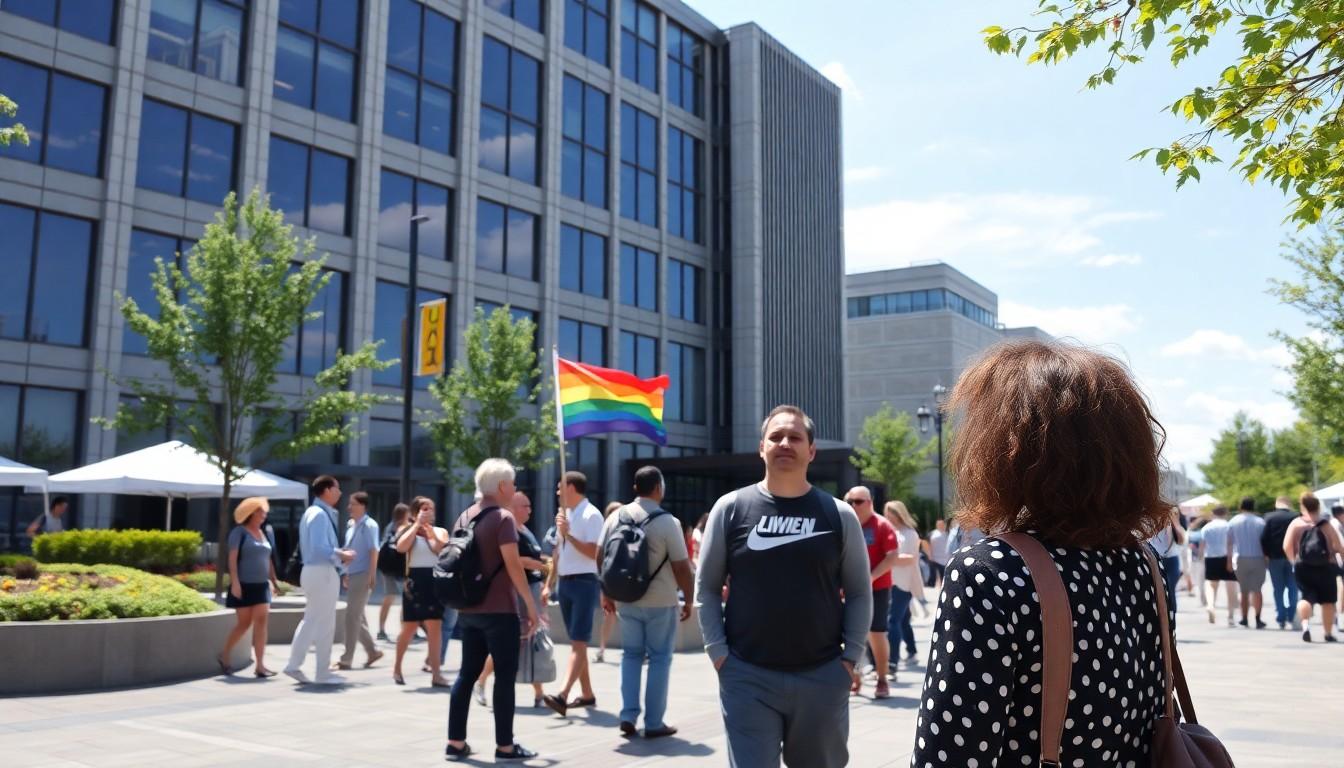
Noticing a shift? Many adults are beginning to explore LGBTQIA+ identities later in life, and finding the right community and support can make the process less lonely, more joyful, and more honest. This guide looks at why it happens, where to find people who get you, and how therapy and groups can help you move forward with confidence.
Essential Takeaways
- It’s normal to discover queerness later: Major life changes often prompt identity questions, and there’s no deadline for figuring things out.
- Grief and joy can coexist: You may mourn years spent hiding while also feeling exhilarated by new authenticity.
- Community matters: Peer groups, from book clubs to queer sports leagues, validate, reflect, and expand your sense of self.
- Therapy supports the inner work: A queer-affirming therapist provides a non-judgemental space to process doubt, shame, and decisions about coming out.
- Start small and notice feelings: Try one new group or event, then check in with how energised or drained you feel.
Why adults are asking “Who am I?” later in life
A lot of people assume identity discovery happens in school, but many adults only begin to question in midlife. It often follows big life shifts, divorce, kids leaving home, career changes, or finally reaching a place of safety that allows curiosity to show up. That creeping, familiar feeling you’ve carried for years suddenly needs a name, and naming it can bring both relief and unease. Recognising this pattern normalises the experience and reminds you that late discovery doesn’t make it less valid.
Grieving the years you hid , and making space for joy
Realising parts of yourself you suppressed can trigger grief: for lost time, for younger versions of you who couldn’t be free, for imagined alternative lives. That grief is real and useful; it honours what was sacrificed. At the same time, you might feel bursts of joy, freedom, or playful curiosity the moment you test new labels or hang out with queer people. Both emotions can live together, and allowing that complexity makes the journey feel more humane.
Where to find community when it feels like there’s “one right way”
It’s easy to imagine a single template for queerness, flashy Pride parades, flamboyant drag nights, but community comes in many forms. For some, the answer is visible celebrations and activism; for others, it’s quieter: a lesbian hiking group, a queer-friendly book club, a Dungeons & Dragons table, or a recreational sports team. If you’re in a place with niche offerings (some towns even have queer rodeos), start with something that sparks curiosity and see how you feel afterwards. Small steps often lead to the most meaningful connections.
How therapy complements community , and when to seek it
Community shows you you’re not alone; therapy helps you hear your own truth. A queer-affirming therapist can help untangle internalised shame, quiet the doubtful voice that says you’re “not queer enough”, and guide decisions about disclosure to friends, family, or work. If fear, chronic shame, or confusion dominate your thinking, therapy can be a steadying place to experiment with identity language and coping strategies before you act in the wider world.
Practical ways to start exploring safely and sustainably
Begin with curiosity and boundaries. Try one event or meet-up; plan an exit strategy so you feel in control if it’s not right. Use online groups to scope local scenes before attending in person. Pay attention to energy, are you invigorated or depleted after socialising? Consider pairing community activities with a few therapy sessions to process reactions. And remember: you don’t owe anyone a label or a timeline.
Looking ahead: community as ongoing practice
Finding your people rarely happens overnight; it’s more like building a garden. You plant a few seeds, online chats, classes, one-off events, and over time you see what grows. Community both reflects and shapes identity, offering mirrors, challenges, and joy. So stay curious, be gentle with yourself, and celebrate the small steps that bring you closer to feeling seen.
It's a small change that can make every step toward authenticity feel safer and more joyful.
Source Reference Map
Story idea inspired by: [1]
Sources by paragraph: