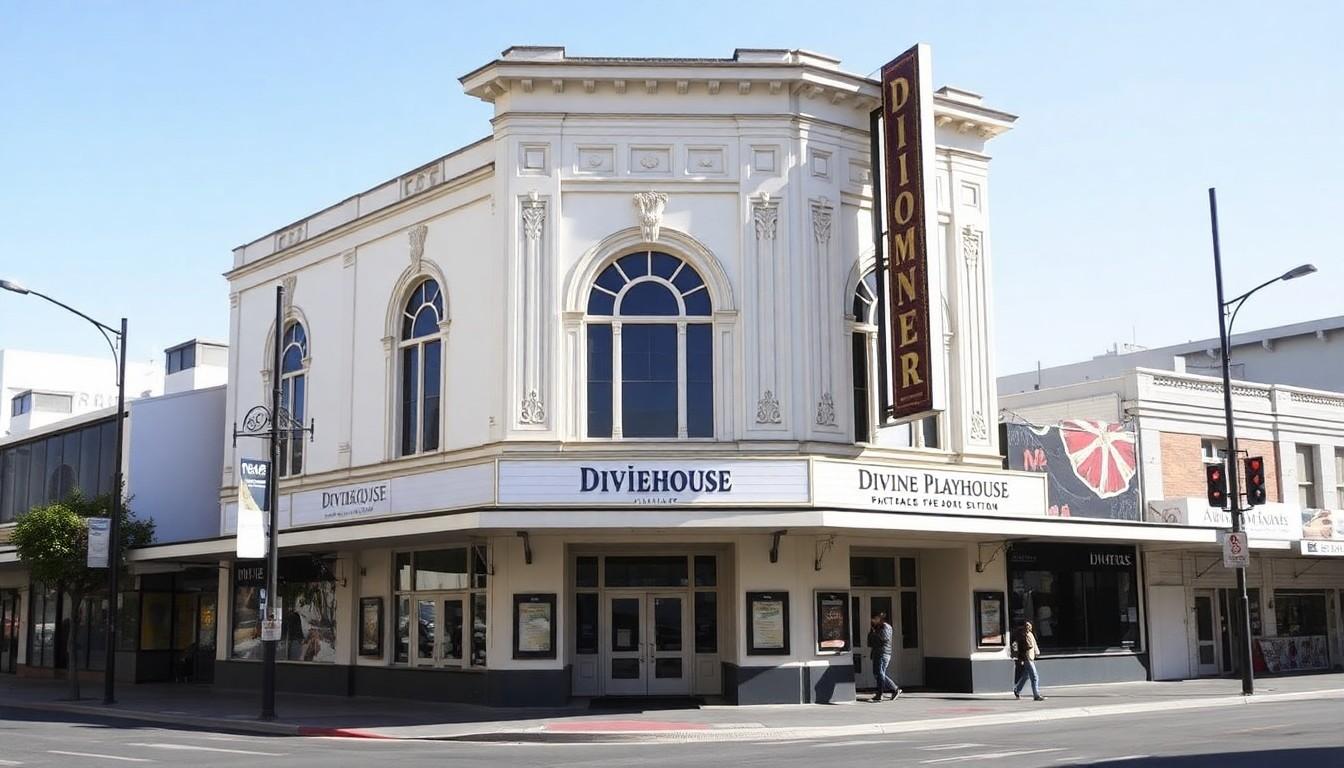
Shoppers, theatre-lovers and queer communities are rallying after Divine Playhouse , a new LGBTQIA+ arts space in Sydney , was told to vacate its Kent Street home amid a landlord’s claim of ‘offensive trade’. The closure has sparked petitions, a fundraiser and a peaceful “sing-in” protest, and raised fresh questions about who gets to decide what art is allowed.
Essential Takeaways
- Lease terminated: The venue’s lease was ended by landlord Revelop, citing an 1842 NSW “offensive trade” law as the reason.
- Rapid shutdown: Divine Playhouse had only days to deinstall and leave a heritage building that had been refitted for shows; staff and artists are now displaced.
- Community response: Over 17,000 people signed a petition within days, and a fundraiser has raised tens of thousands to cover legal and artist costs.
- Public action: A peaceful “sing-in” rally is set for 12pm this Saturday in Hyde Park; organisers are also planning benefit shows and seeking new spaces.
- Wider stakes: Organisers say this is about protecting art and free expression across NSW, not just one venue.
Why the eviction feels like more than a lease dispute
The first thing that sticks is how abrupt and emotional the moment has been , staff stripped of weeks of work, artists left without stages, a room that felt alive suddenly empty and quiet. According to reporting in mainstream outlets, the landlord used a rarely invoked 19th-century law that originally targeted industrial nuisances to justify ending the tenancy. For many, that stretches the idea of “offensive trade” into moral judgement.
Backstory matters here. Divine Playhouse had only recently opened as an LGBTQIA+ arts and nightlife space, developed from an old heritage site at 420 Kent Street. The founder, a known figure in Sydney’s queer events scene, described receiving legal letters with a deadline rather than any negotiation. That has fuelled outrage and a sense that the venue was pushed out without due process.
How politicians and the public have reacted
Public figures have lined up to back the venue. The Lord Mayor of Sydney publicly expressed support, while thousands of Sydneysiders have signed petitions and donated to a legal defence fund. Media coverage has amplified those responses, framing the dispute as a test of the city’s cultural values.
At the same time, small but well-organised protests by conservative groups took place outside the closed doors earlier in the month, and organisers cite safety concerns that initially stalled a planned rally. The contrast between the noisy, internet-fuelled campaign against the venue and the organised solidarity in its favour points to a broader cultural tug-of-war playing out in real time.
What this means for artists, venues and landlords
Venue operators and artists are taking notes. The case highlights how vulnerable pop-up and grassroots arts spaces can be when leases are short, terms are tight, or owners have different political views. Industry coverage points out that a landlord’s discretion can , in practice , determine what art is staged, which is worrying if you care about diversity and experimentation.
Practical takeaway: if you run a venue or collective, get legal advice early, keep detailed records of negotiations, and build public visibility quickly. If you’re an artist, diversify your performance hubs and keep a contingency plan , festivals, libraries or community centres can be lifelines when commercial spaces vanish.
The sing-in and fundraising: community tactics that actually work
Organisers moved fast: a “sing-in” rally in Hyde Park, benefit shows to pay artists who lost gigs, and email appeals for landlords or property owners willing to offer alternative space. The speed of the fundraising and petition response suggests these tangible, public acts matter , they create pressure, raise cash and keep the story in the headlines.
Those tactics also change the tone. A peaceful musical protest reframes the dispute from legal minutiae to a cultural and human story: people who made a place and want it back. Expect more creative, non-violent actions from arts groups when space is threatened; they’re better at winning public sympathy than courtroom jargon.
What to watch next and how to help
This is still unfolding. Legal challenges may test whether an archaic “offensive trade” law can be read to cover moral objections, and that could set a precedent for other artists and venues. Meanwhile, organisers are scouting new homes and planning benefit events to get cancelled artists paid.
If you want to help: sign the petition, donate to the legal and artist fundraisers, or , if you’re a landlord or developer , consider offering short-term space. Even small acts, like turning up at the Hyde Park sing-in, send a message that the city’s cultural life won’t be shut down quietly.
It's a small change in how a building’s keys are held, but it could mean everything for who gets to make and see art in Sydney.
Source Reference Map
Story idea inspired by: [1]
Sources by paragraph: