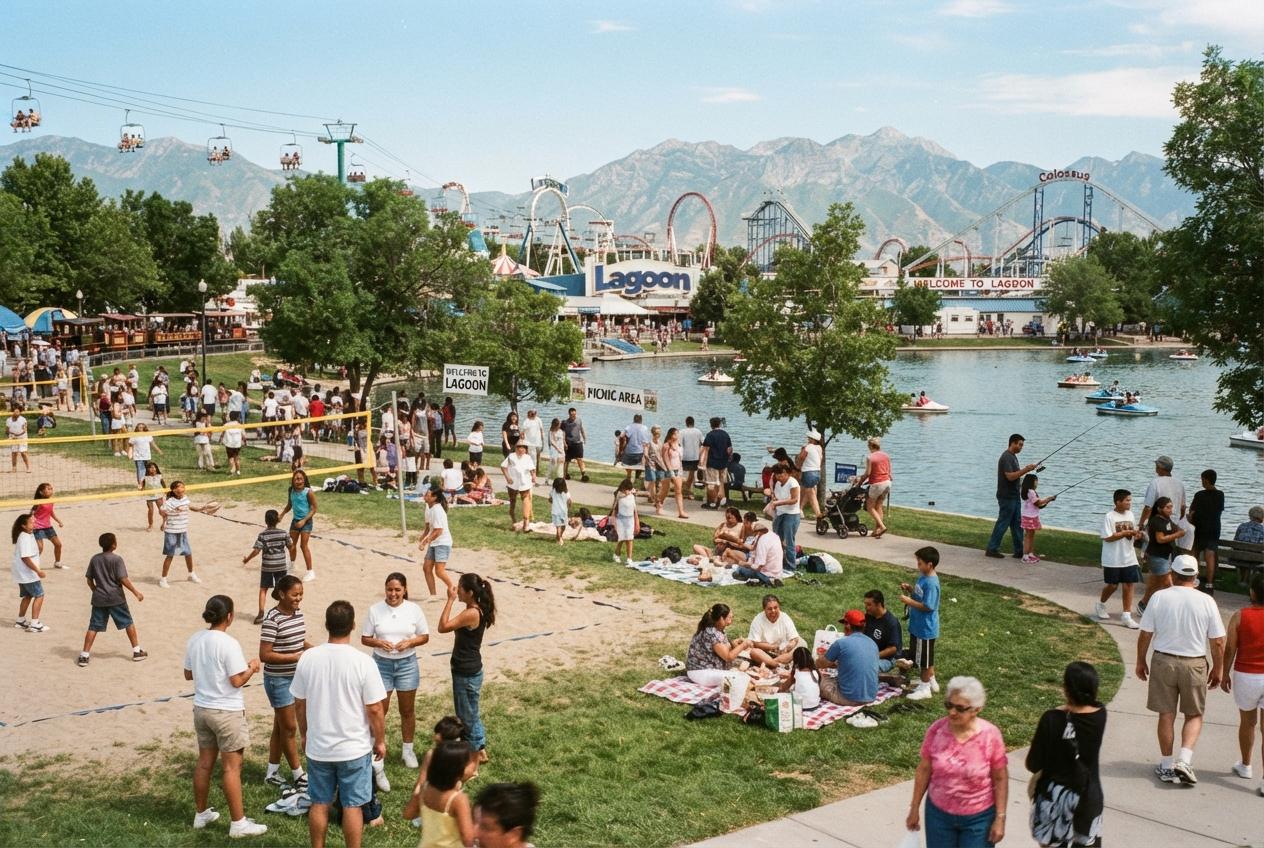
See people gather, laugh, and ride together , and you’ll notice something simple: fun is political, connection is resistance, and small rituals build big resilience. This story looks at why local LGBTQ+ summer meetups, leagues, and senior socials still matter, who they reach, and how they quietly sustain community in Utah and beyond.
Essential Takeaways
- Visible gatherings count: Casual events provide a measurable headcount and proof that community networks are active and growing.
- Low-barrier entry: Fun meetups reach people who wouldn’t attend a protest or a support group, offering a gentle first step into community life.
- Routine builds resilience: Weekly leagues and regular socials create consistency that outlasts policy changes and institutional setbacks.
- Memory and mentorship: Senior groups preserve history and teach younger community members how to keep organising under pressure.
- Local infrastructure matters: Pride centres, chambers, and community groups help turn one-off events into lasting supports.
Why a day at the fair can feel like resistance
There’s something quietly powerful about hundreds of people standing in the July heat, trading ride stories and sharing fries. According to organisers who’ve run these meetups for decades, those ticket stubs and group photos are more than souvenirs; they’re proof that a community exists and shows up. When public recognition or funding gets pulled, visible, recurring gatherings keep the social fabric intact.
This isn’t nostalgia for nostalgia’s sake. Events that look purely recreational often reach folks who won’t step into a formal support space. That’s why LGBTQ+ community builders treat summer meetups, park leagues, and arcade afternoons as essential outreach, not just filler between marches.
How low-pressure spaces recruit and keep people
Not everyone responds to a call for activism, but most people will join a friendly game of kickball or an evening of bowling. Those low-barrier activities offer a safe way to meet others without the emotional weight that can come with first-time visits to a community centre or clinic.
Pride centres and local groups point to leagues and socials as recruitment pipelines; they’re where people first hear about support services, events, or volunteer opportunities. So the person who joins for the laughs often becomes the person who shows up when it matters.
Consistency beats headlines: why routine matters
Regularity , a weekly league, a monthly potluck, an annual Lagoon Day , creates the sort of stability that survives political shifts. Organisations can lose charters or funding, but a neighbourhood team or a circle of friends who meet every Sunday can’t be legislated out of existence.
This steady presence also builds trust. People who might be isolated find reliability in a schedule: a place to be seen and to practise being themselves. That quiet, ongoing visibility is a form of community infrastructure that supports everything from advocacy to mental health.
Seniors, memory and the lessons they carry
Senior socials and potlucks aren’t just about tea and cake; they’re living archives. Those who lived through the worst years of the AIDS crisis, legal invisibility and social hostility carry lessons about organising, survival and care that younger people need to hear.
Spending time with older members isn’t a favour, it’s an education. Their stories teach how communities adapt when institutions fail and why showing up for small things is a strategy, not a consolation prize.
Practical tips for getting involved or organising your own
If you’re wondering how to join or start something similar, begin with low friction: pick a familiar public space, set a time, and keep expectations light. Partner with local organisations , pride centres, county pride groups and the state LGBTQ+ chamber can help with outreach and logistics.
Make events welcoming: clear signage, designated greeters, accessible timing and low or no cost. Think about who you’ll reach first , new arrivals, people exploring identity, older adults craving company , and tailor activities accordingly. Finally, document attendance with simple photos or sign-ins; those records matter when you need to show impact.
Closing line Keep buying the ticket, turning up for the league, or sharing a simple coffee , showing up is the strategy that keeps communities whole.
Source Reference Map
Story idea inspired by: [1]
Sources by paragraph: