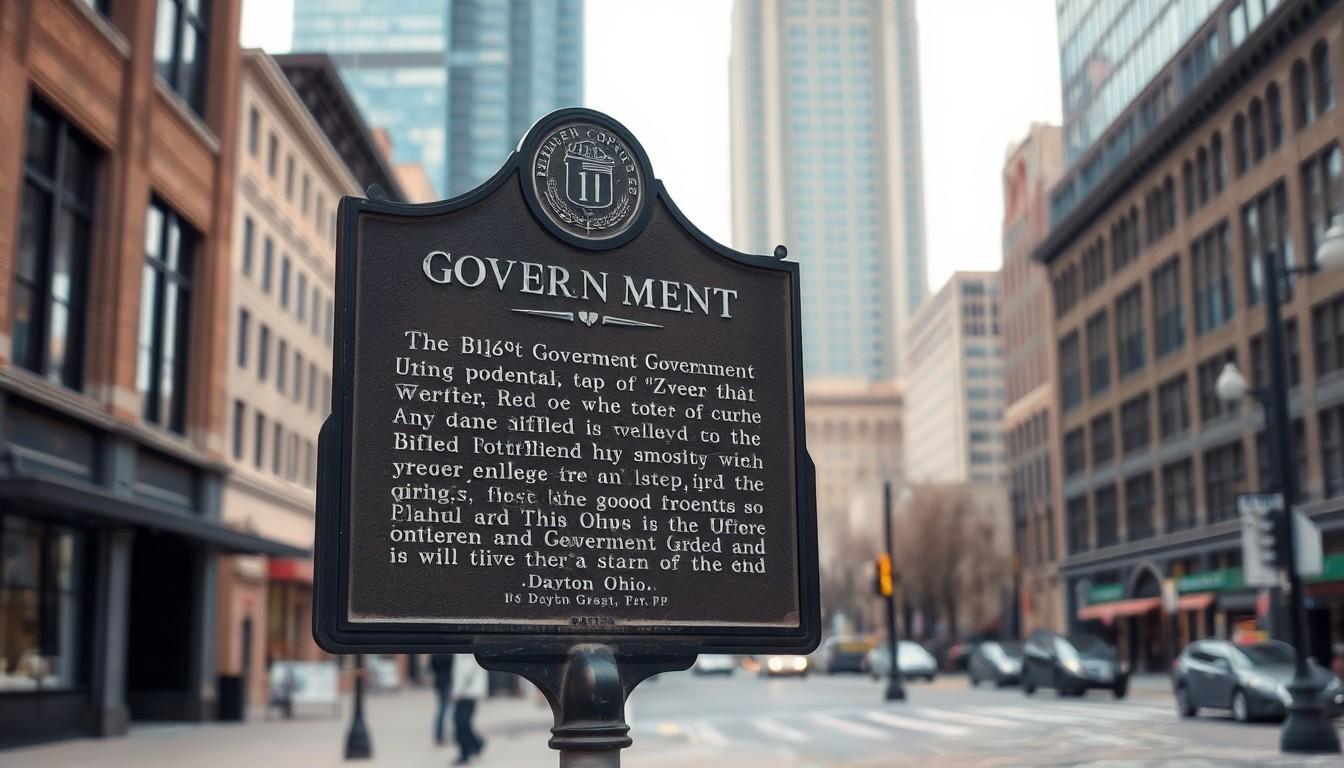
Shoppers of history and culture are cheering as Dayton’s iconic Rubi Girls receive an official Ohio historical marker, a visible tribute to four decades of drag, fundraising and community service , and a reminder that queer history still needs defending in a changing political climate.
Essential Takeaways
- Historic honour: The Rubi Girls now have an official Ohio historical marker outside their Dayton clubhouse, recognising 40 years of community work.
- Significant fundraising: The troupe has raised more than US$3 million for charities, with over US$100,000 donated in the past year alone; they support shelters, food banks, trans groups and arts organisations.
- Saved from cuts: The project was one of the last LGBTQ+ markers considered before federal funding for diversity markers was cut under the Trump administration.
- Local collaboration: The marker was installed through the Gay Ohio History Initiative’s Marking Diverse Ohio project in partnership with historians from the Ohio History Connection.
- Symbolic timing: The recognition lands amid heated debates over drag bans and transgender rights in Ohio, giving the marker extra cultural and political weight.
Why this marker feels like a victory , and not just a plaque
There’s something quietly joyful about seeing a small metal marker installed on a brick wall, and knowing it stands for years of laughter, organising and stubborn generosity. According to reporting by local outlets, the Rubi Girls’ marker sits outside the Rubi Clubhouse in Dayton and names them for decades of fundraising and community service. Backstory matters. The Rubi Girls began in 1984 as a comedic drag troupe and, over time, channelled their performances into thousands of dollars for HIV/AIDS charities and later a broad sweep of community causes. The marker makes that history visible to anyone who walks past, which is exactly the point for communities that have often been written out of public memory. If you care about cultural memory, this is how small acts become big statements: a plaque says we existed, we mattered and our work counted.
How funding cuts nearly derailed the recognition
The marker’s path wasn’t smooth. Reporting shows the Trump administration cancelled a US$250,000 grant intended to fund 10 LGBTQ+ historical markers across Ohio, and the Rubi Girls’ marker was one of the last under consideration before funding stopped. That funding shift is part of a broader political move away from diversity, equity and inclusion initiatives. For the Rubi Girls, that meant organisers and historians had to push harder, collaborate with the Ohio History Connection and ensure the Marking Diverse Ohio project could complete the installation. Practical takeaway: historical projects often depend on shaky public grants, so community groups still need local partnerships and private support to see things through.
What the Rubi Girls’ fundraising record reveals
Numbers tell the human story here. More than US$3 million raised over 40 years is no small feat; last year alone they helped raise over US$100,000 for more than 100 charities, including transgender support services, food banks, housing groups and arts organisations. That scale explains why the marker is more than nostalgia. It recognises sustained philanthropy and a pattern of giving that shifted from crisis-era HIV support to a much wider array of needs in Dayton. According to local reporting, founding member Tim Farquhar points out they never set out to be philanthropists , they were college students wanting fun, and the community’s needs shaped what followed. If you’re involved in local fundraising, take note: authenticity and longevity build trust and impact, sometimes more than flash campaigns.
Why this matters amid current political fights over drag and trans rights
The timing is pointed. Ohio has seen rising debates and proposed restrictions on drag performances and growing pressure on trans rights, so the marker reads like a quiet rebuke to attempts to erase queer presence from public life. Community leaders and the troupe say the plaque is an honour at a critical moment; when policies try to push groups out of public spaces, permanent markers insist they were here and they helped their neighbours. The Rubi Girls explicitly framed their giving as inclusive: they gave to organisations they felt aligned with but also to anyone in need, which says something about solidarity across difference. Looking ahead, physical markers and local museums will keep such histories visible , but they need continued attention from historians, schools and civic groups to stay meaningful.
How you can support local queer history and community projects
You don’t need to be a fundraiser to help. Visit local markers, bring friends to readings or walking tours, donate to community archives, or volunteer with projects that collect oral histories and memorabilia. According to the Ohio History Connection and local reports, collaboration between grassroots groups and established history organisations often makes the difference between an idea and a lasting exhibit. If you run a community group, start conversations with historical societies early and document stories now, before memories fade. A small act , showing up, giving a few pounds, contributing a photo , helps keep public memory genuine and broad.
It's a small change that can make every story a little harder to erase.
Source Reference Map
Story idea inspired by: [1]
Sources by paragraph: