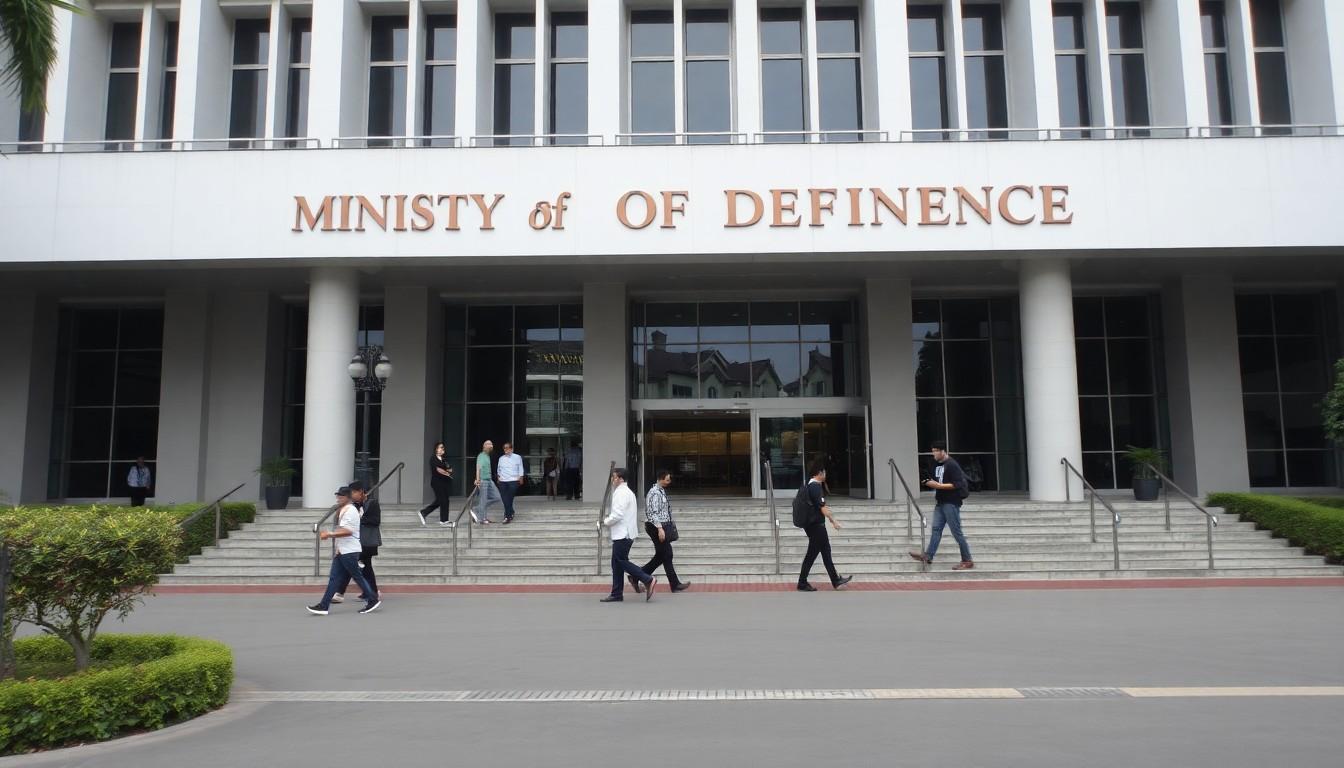
Watchers are poring over a new line in Indonesia’s national defence policy after a Pride Month post and clerical lobbying pushed the matter into the spotlight; this story explains who said what, why the clause matters, and what it could mean for civil liberties, education and public debate.
Essential Takeaways
- Policy shift: A presidential regulation now lists the “spread of LGBT culture” as a non-military threat, which shifts the conversation from private behaviour to perceived risks to social cohesion.
- Trigger event: A Pride Month social-media post by a University of Indonesia student outlet helped spark intense public debate and institutional responses.
- Religious push: The Indonesian Ulema Council is preparing academic work and a draft bill calling for criminal penalties related to LGBT conduct.
- Rights concerns: Human-rights lawyers and academics warn that framing sexual orientation and gender identity as a security issue can broaden state powers and stigmatise citizens.
- Practical impact: Schools, universities and digital spaces may see increased scrutiny, complaints procedures and policy reviews as authorities respond.
Why a student post turned a quiet clause into a national headline
A Pride Month post by Suara Mahasiswa at the University of Indonesia was the spark that lit wider attention on a little-noticed policy line. The post provoked an immediate online backlash and forced the university to clarify that the content didn’t reflect official institutional views. That visible, social-media-fuelled reaction made what had been bureaucratic text suddenly political and public. According to local reporting, the swift distancing by the university underlined how sensitive campuses have become where religion, youth culture and national identity meet.
How a defence document ended up naming LGBT culture as a “threat”
The regulation’s wording places the “spread of LGBT culture” in the non-military threat category used to describe risks to national resilience , values, family life and social cohesion. Security scholars note Indonesia already uses broad threat categories, which means issues beyond the barracks can be securitised. That matters because once something is framed as a security concern, it tends to attract official attention and resources, and that in turn changes the conversation from rights and services to protection and control.
Religious authorities pushing for legal penalties: the MUI’s role
The Indonesian Ulema Council has signalled it will produce academic material and a draft bill aimed at criminalising LGBT-related conduct, arguing that moral appeals alone won’t stop what it sees as growing public displays of same-sex activity. The council’s leaders say legal penalties would deter “normalisation”, while critics warn that criminalisation would institutionalise stigma. This push shows how religious institutions can shape legislative agendas, especially when public debate is already inflamed.
What rights advocates and legal experts are saying
Human-rights lawyers point out a crucial difference between earlier laws that referred to same-sex acts in the context of pornography and the new move to classify LGBT identity and culture itself as a threat. That shift risks making orientation or identity part of a security framework rather than a matter of personal status or privacy. Legal commentators warn this could justify restrictive policies across education, healthcare and employment, and make it harder for individuals to access services without fear of repercussion.
Practical fallout: schools, universities and the digital space
Institutions that educate young people have already reacted: student publications face internal reviews and universities are careful to dissociate from controversial posts. Expect tighter oversight of campus activities, more formal complaints processes, and possibly new guidance on student expression. Digital platforms will also be in the spotlight as authorities and communities debate what counts as campaign or propaganda. For parents and teachers, the sensible immediate move is to focus on clear policies, pastoral support and lawful, rights-respecting responses to disputes.
What to watch next and what it means for everyday citizens
Keep an eye on whether the MUI’s draft bill reaches Parliament and how ministries interpret “non-military threat” in practice. The story isn’t over: public attention turned a routine regulation into a political issue, and that same public scrutiny could influence how enforcement plays out. For individuals, the change signals a period of uncertainty; for civil-society groups it’s a prompt to document impacts and engage where possible.
It's a small change on paper that could have louder effects in classrooms, courtrooms and online , and public attention will help shape what happens next.
Source Reference Map
Story idea inspired by: [1]
Sources by paragraph: