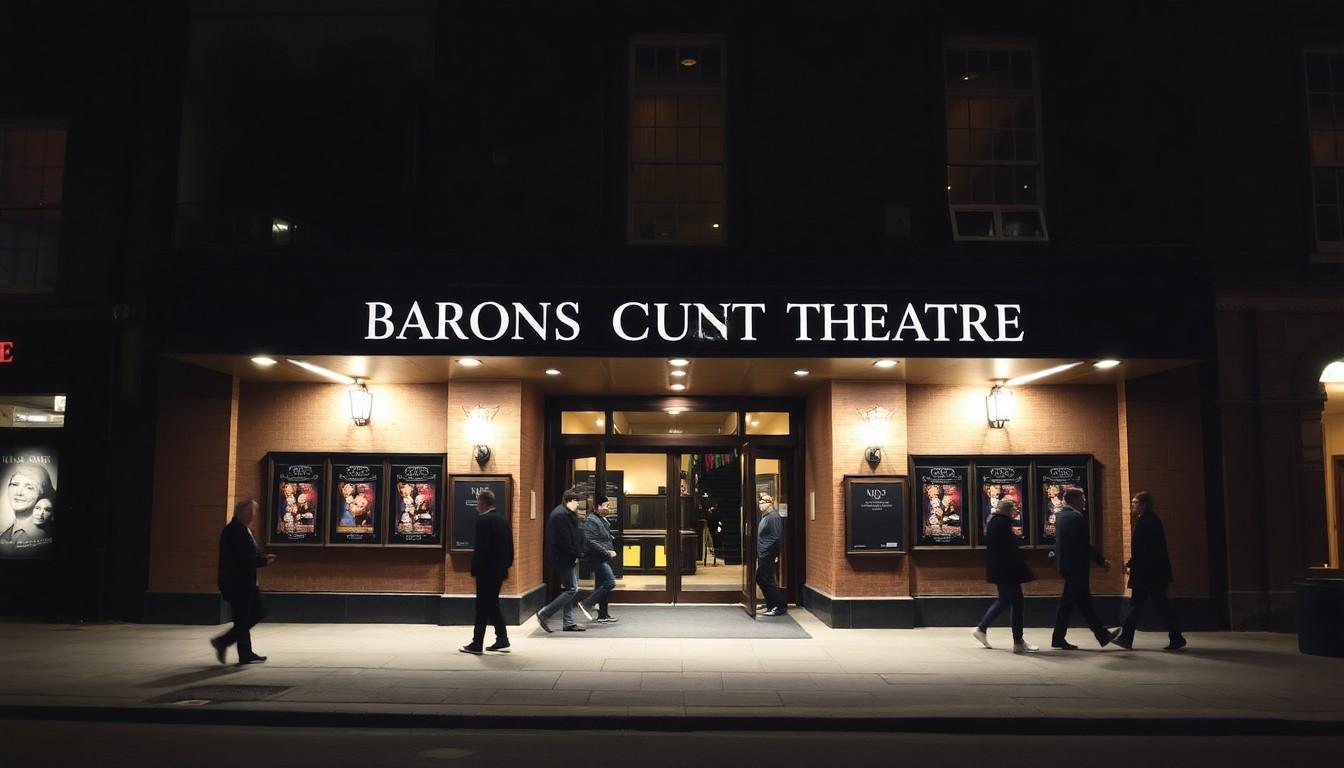
Spotting a queer new hit, audiences are flocking to see Dead Effing Rebels, a bold Camden Fringe debut written and directed by transwoman Sylvia Gardner, with an entirely queer cast and a mix of drag, office satire and sexual politics that matters now more than ever. Tickets are modest, the staging is intimate, and the show asks big questions about masculinity and power.
Essential Takeaways
- Bold premise: A backstage-to-boardroom story that mixes drag-world colour with cold corporate control.
- Queer-led: Written and directed by Sylvia Gardner, performed by an all-queer ensemble , trans and non-binary perspectives centre the piece.
- Sensory tone: Expect loud, clown-white masks, cramped backstage energy and a chill, clinical conference-room contrast.
- Content warning: Themes include sexual violence, sadomasochism and financial pressure; it's confrontational rather than cosy.
- Practical info: Runs 17–18 and 20–23 August at Barons Court Theatre; tickets £10–£15.
A vivid opening that throws you straight into drag-backstage chaos
Dead Effing Rebels grabs you with colour and noise at the top , the backstage of a drag show where personalities bristle and alliances form. The atmosphere is tactile and immediate; you can almost hear heels on concrete and smell the makeup. This is theatre that lives in the body, not just in ideas.
Theatre of Cowards, the company behind the piece, describe their work as “the new art of the weird,” and that weirdness is rooted in lived trans experience here. According to company notes and listings, the show’s energy comes from artists who have long made theatre that unsettles, and this debut carries that lineage right through to the final scene.
If you like your theatre sensory and unfiltered, this is a neat fit. The production’s cramped, lively first act makes the later shift to colder corporate spaces feel sharper and almost cinematic.
From dressing room fun to conference-room chill , the shift lands hard
One of the show’s cleanest moves is a tonal flip from the messy warmth of performance prep to the icy, bureaucratic world of a boardroom. That contrast underlines the play’s questions about control: who gets to perform, who earns, who punishes.
This structural choice also works practically , the same ensemble plays across registers, so the cast gets to show off range. Audiences who prefer clear stakes will appreciate how money and power become the engines of the plot, unmasking the characters’ professional and personal insecurities.
If you’re choosing seats, sit where you can see faces clearly; much of the play’s power is in expression, micro-behaviours and the unsettling use of clown-like whiteness as a corporate mask.
Rooted in trans perspectives and a history of provocation
Sylvia Gardner’s direction and the show’s origins are openly trans-rooted, which informs both aesthetic and moral questions on stage. Theatre of Cowards formed from artists who’d already provoked controversy with work that refuses easy sanitisation, and Dead Effing Rebels feels like a continuation of that stubborn practice.
Past pieces from the ensemble, like 19 Hour Dog Fight, met institutional resistance when they were honest about sexuality and violence, a history that gives the new show extra context. Rather than courting shock, this company insists on visibility and testimony, and that stance shapes how scenes land: sometimes uncomfortable, often defiant.
For viewers worried about sensationalism, it’s worth noting that the creative team frames the material as lived observation rather than gratuitous provocation.
How the cast and collaborative process shape the show’s distinctive voice
This isn’t a top-down production with a production company logo stamped on everything; it’s a social endeavour built by a wide group of collaborators. That collective approach shows on stage , the ensemble chemistry feels earned, the movement choices are playful and precise, and the text shifts between comedy and menace with confident agility.
Camden Fringe listings and the company’s website emphasise the diversity of the creative team, which means you’re seeing many practices and memories braided together. That gives the show a lived-in, raw quality that single-author pieces sometimes lack.
If you like theatre that feels communal and a little ragged around the edges, this will feel familiar and rewarding.
Is it for you? Practical viewing advice and trigger notes
This is theatre for people who want to be provoked and moved in equal measure. It’s not a light night out; themes include sadomasochism and sexual violence and are handled in an uncompromising way. Tickets are priced accessibly at £10–£15, making it easy to take the risk and see it live.
If you’re bringing a friend, chat beforehand about trigger points and whether you’ll want to leave early. Otherwise, come ready for a show that insists on being felt: loud, strange, and humane in its challenges.
It's a small change in an evening that can make every performance feel urgent and necessary.
Source Reference Map
Story idea inspired by: [1]
Sources by paragraph: