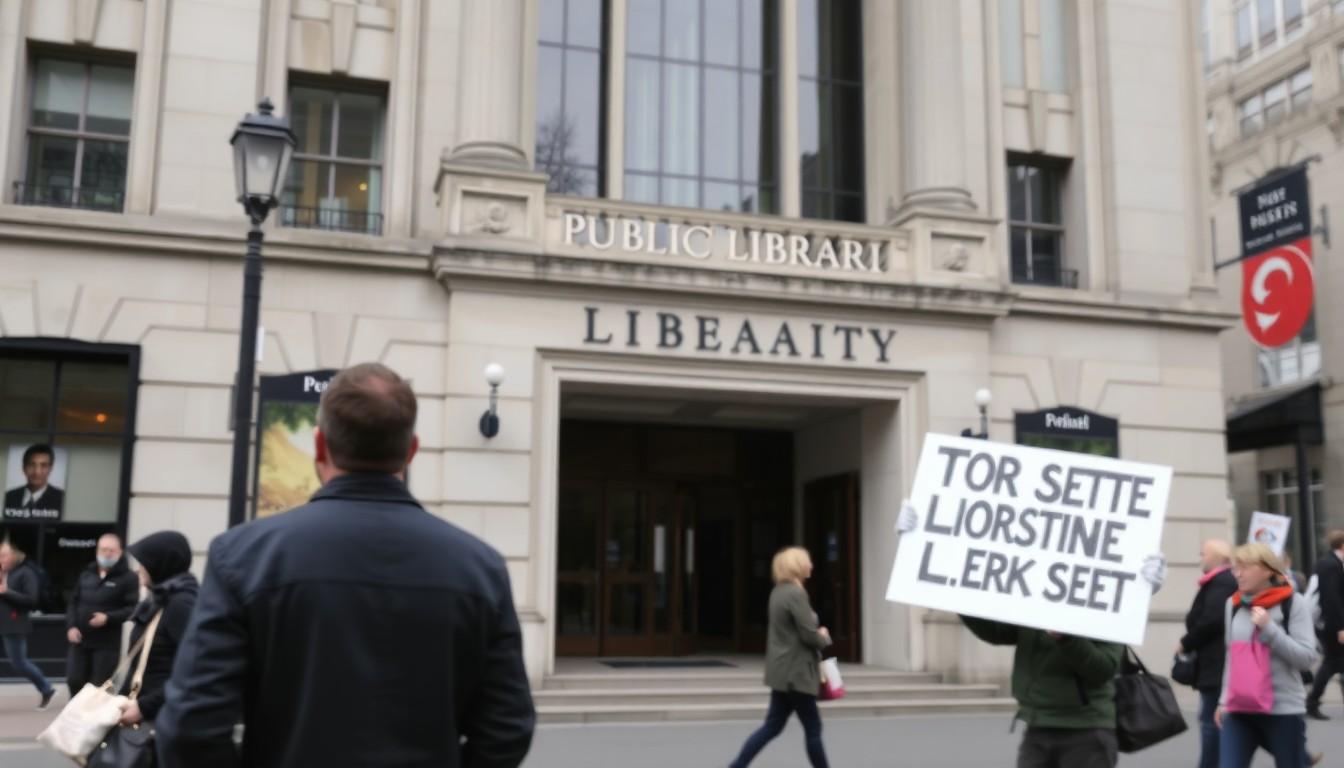
Shoppers, parents and protesters are watching as a legal fight over Calgary’s “bubble zone” bylaw heads to the Alberta Court of Appeal, because the case could reshape where and how people can lawfully object to public events like drag queen story times. It matters for free expression, public safety and city policy.
Essential Takeaways
- Appeal accepted: The Alberta Court of Appeal agreed to hear a constitutional challenge to Calgary’s Safe and Inclusive Access Bylaw, which sets 100-metre “bubble zones” around city recreation centres and libraries.
- Legal objection: The Canadian Constitution Foundation (CCF) argues the bylaw unlawfully restricts expression that “objects or disapproves” of ideas related to gender or sexual orientation.
- Lower court split: A judge previously upheld a ticket against protester Larry Heather while also finding the bylaw overbroad in scope.
- Stakes are practical: Penalties include fines up to $10,000 or a year in jail, so the outcome will affect everyday citizens, parents and faith groups who want to protest nearby.
- What to expect: The case could sharpen limits on where cities can ban protest speech and may prompt councils to rethink similar “bubble zone” rules.
Why Calgary’s bylaw is now a high-profile free-speech test
The headline here is simple: the city adopted a rule to keep protests outside a 100-metre perimeter of public building entrances, and civil liberties lawyers say that’s too broad. The bylaw covers demonstrations that express “objection or disapproval” about protected characteristics, so it reaches at least as far as protests about LGBTQ events. That kind of wording, critics say, grabs a lot of speech.
The Canadian Constitution Foundation stepped in after a downtown protester was ticketed during a drag queen story time. They argue the rule amounts to content control , deciding which ideas can be expressed near civic spaces , and have pushed the city to repeal the measure altogether. For residents this feels urgent: the penalty range is punitive and the rule can chill peaceful dissent.
How the lower court muddied the waters
A Court of King’s Bench judge delivered a mixed ruling: he found parts of the bylaw overbroad yet still upheld the ticket against the protester. That’s the sort of split decision that invites an appeal, because it leaves both sides claiming victory and no clear guidance for future events.
This ambiguity matters in practice. Organisers, libraries and concerned parents now face uncertainty about where protests are lawful, and police are left to interpret a bylaw that a judge already flagged as sweeping. The appeal will force a clearer boundary on whether municipalities can create buffer zones that hinge on the content of the message.
Where this fits in wider debates about “bubble zones”
Bubble-zone rules are not unique to Calgary; cities and provinces have tried variations to protect access to services or to prevent harassment. But legal experts and free-speech advocates warn that when a rule targets messages by describing disapproval or objection, it risks being constitutionally suspect.
Policy wonks and local councillors are watching because the outcome could influence other municipalities considering similar limits. If the appeal reins in the bylaw, councils may need to craft rules that focus strictly on conduct , loudness, obstruction, harassment , rather than the ideas people hold. If it’s upheld, cities may feel emboldened to expand buffer zones.
Practical advice for protesters, parents and event organisers
If you plan to attend or protest a public event, take the cautious route: check the local bylaw, keep well back from entrances and stick to peaceful, non-obstructive behaviour. For organisers, communicating expectations and having marshals can reduce friction and keep events lawful and calm.
For anyone facing tickets or fines, the CCF’s involvement shows constitutional challenges are an option, but those cases take time and money. Legal advice is worth seeking early if you think your rights are at stake.
What to watch next and why it matters
Expect the Alberta Court of Appeal to focus on whether the city improperly regulated speech by content and whether the 100-metre zone is a reasonable limit for public safety and access. The decision could set a precedent that either restricts or reaffirms municipal powers across Canada.
And on a human level, this is about neighbours and civic life: how we balance inclusive public spaces with the right to voice disagreement. The court’s ruling will shape how loudly , and how close , people can speak their minds in civic spaces for years to come.
It's a small change in wording that could make a big difference to how public debate happens on the sidewalks outside our libraries.
Source Reference Map
Story idea inspired by: [1]
Sources by paragraph: