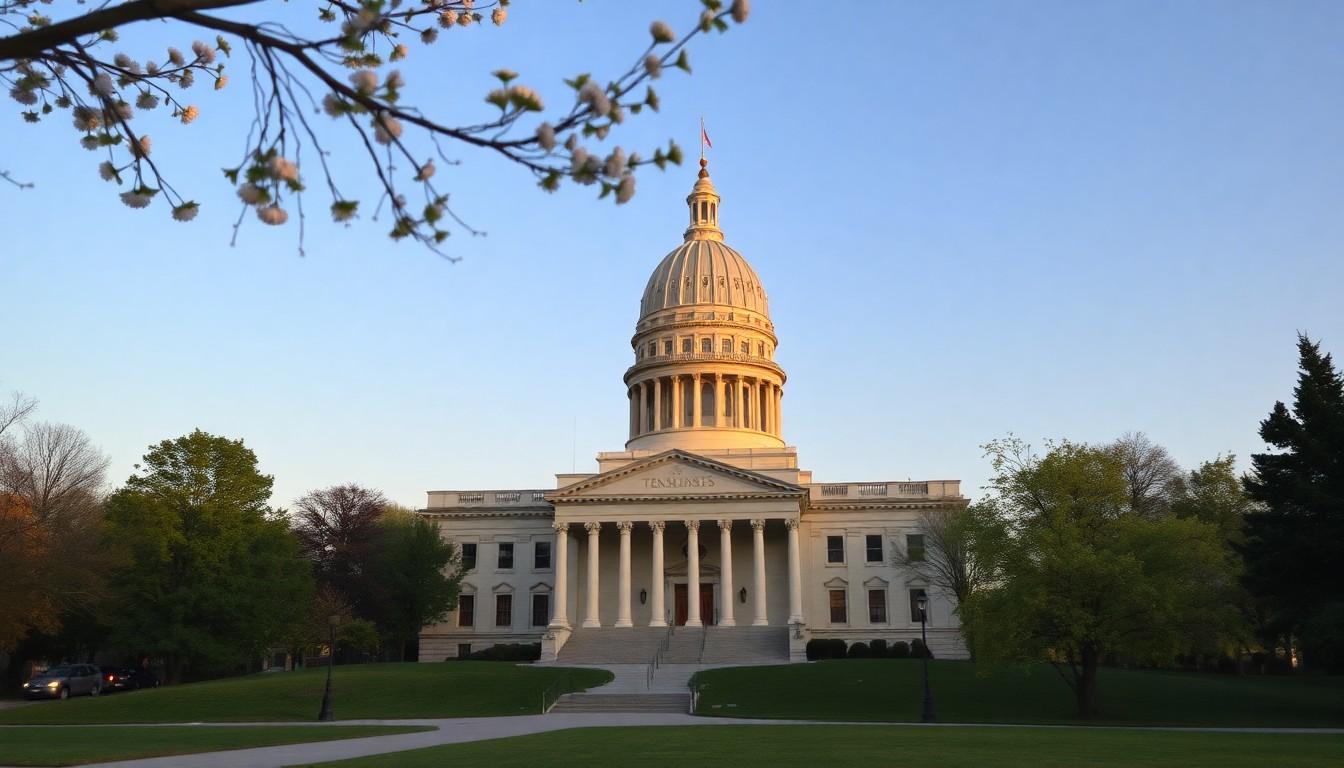
Watch how landmark rulings this year are shifting power back to parents, schools and states; owners of conscience, educators and families in places like Alaska are already feeling the effects and weighing what it means for education, medical care and sports.
Essential Takeaways
- Major rulings: The Supreme Court this year issued decisions affirming state authority on medical treatments for minors and enhancing parental notification and opt-out rights in schools.
- Medical limits: Courts signalled that states may restrict gender-transition procedures for minors, a change that affects health policy and school medical protocols.
- Parental notification: Decisions reinforced parents’ rights to be informed about and opt out of LGBTQ-related school activities, raising fresh questions for school policies.
- Sports policy impact: The Court recognised that separating teams by biological sex can be consistent with federal law, with knock-on effects for school athletics and state rules.
- Local relevance: In places such as Alaska, officials, boards and advocacy groups are already responding , from proposed medical regulations to debates over girls’ sports protections.
What the courts actually decided , and why it feels immediate
The biggest development is simple: the Supreme Court has handed several high-profile wins to arguments rooted in parental rights and religious liberty, and those holdings suddenly make state-level actions more consequential. According to court documents, Tennessee’s restrictions on gender-transition procedures for minors were upheld, and related opinions have backed parents who object to school curricula or policies that keep them in the dark. That legal clarity feels tactile , families, educators and administrators now have a firmer sense of what they can and cannot do.
This isn’t academic hair-splitting. Schools and health boards are already reviewing guidance and rules to make sure they comply with the new precedents. If you’re a parent, teacher or school governor, expect policy memos and meetings in the months ahead.
Medical treatment for minors: who decides?
The Court’s approach gives states more room to regulate medical interventions for under‑18s, particularly when it comes to hormone therapies and surgical options. That ruling validates legislative frameworks that aim to limit those treatments for minors.
For parents and clinicians this creates a practical challenge: clinicians must follow evolving state rules, and parents seeking or opposing specific treatments should check their state laws. In Alaska, debates over proposed Board of Medicine regulations and the pace at which they’re adopted underline how national rulings quickly translate into local rulemaking , and delays can leave families and providers in limbo.
Schools, curriculum and parental notification , back in the spotlight
Another strand of rulings focused on school authority and parental rights: courts have said that parents can’t be excluded from key decisions about their children when those decisions collide with parents’ religious convictions or expectations of notice. That’s shifted the balance in favour of greater transparency from schools.
Practically, expect more school districts to review opt-out procedures for lessons and materials touching on gender and sexuality, and to revisit policies on when staff must inform parents about social transitions or identity-related requests. If you’re a school leader, start by checking your communications policy; if you’re a parent, ask your school about its notification and opt-out processes.
Girls’ sports and the Title IX conversation
The Court also addressed competitive sports, confirming that states can maintain separate teams for males and females based on biological sex in many contexts. That has immediate implications for athletic associations, school leagues and state education boards seeking to safeguard competitive fairness and safety.
Local campaigns and petitions are already shaping how boards vote and what school sports rules look like. For parents of student-athletes, this is a time to read your school’s eligibility rules and, if relevant, engage with governing bodies about how teams are classified.
What this means for communities like Alaska , and next steps
When national courts change the legal landscape, local institutions move next. In Alaska, for instance, boards and advocacy groups are pushing rules on medical care and athletics, while state officials decide how quickly to adopt them. That creates a patchwork where neighbouring states may act differently, so families moving between states should keep an eye on varying regulations.
If you want to respond constructively: attend school board meetings, read proposed regulations before they’re finalised, and ask health providers about the state rules that apply to minors. Civic engagement matters here , policies that affect children are being debated and you can make a difference.
It's a small change that can make every decision about a child clearer, fairer and more transparent.
Source Reference Map
Story idea inspired by: [1]
Sources by paragraph: