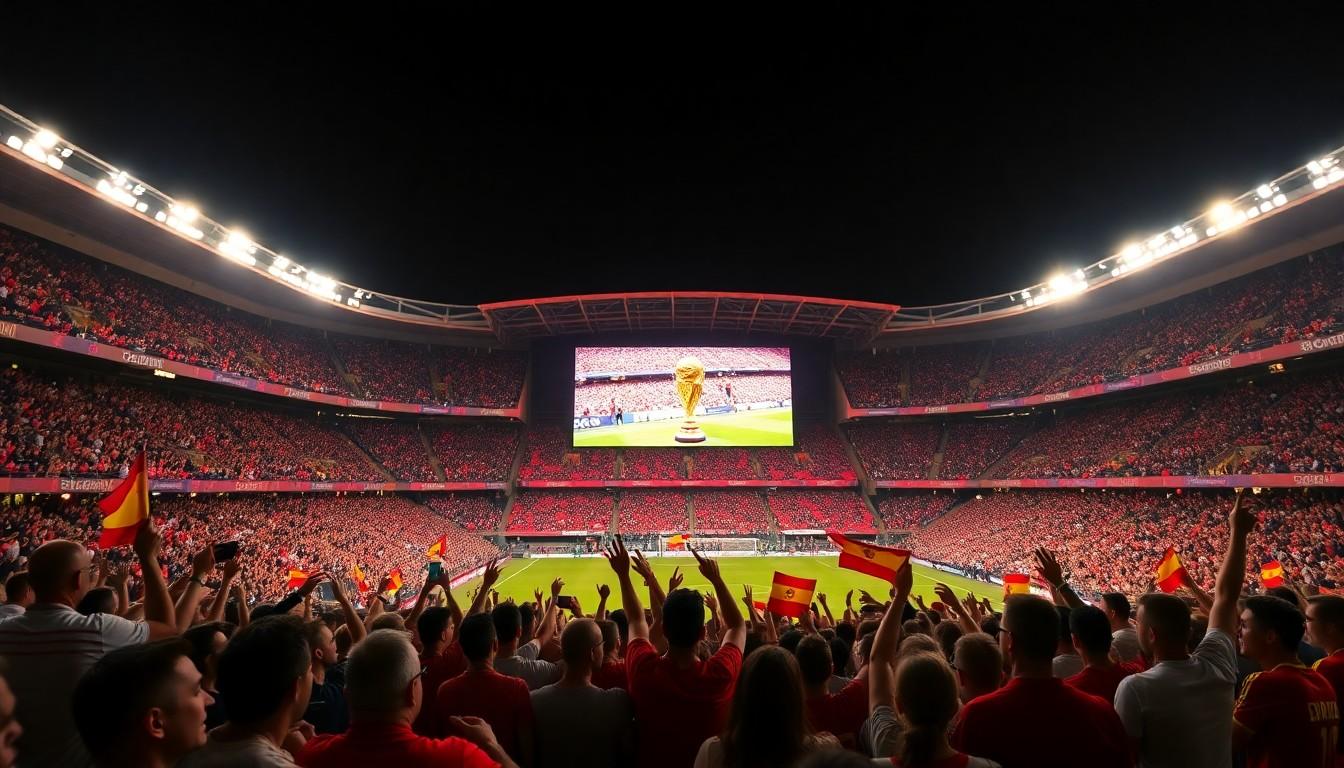
Shoppers of spectacle and critics of tokenism alike watched closely as Spain lifted the trophy , and LGBTQ fans across the globe supplied the glitter FIFA wouldn’t. From on-the-ground pride to online community power, the tournament exposed contradictions and offered a clear path forward for inclusion at the next World Cup.
Essential Takeaways
- Visible queer presence: Fans, players and media figures were clearly present across host cities, creating uplifting, emotional moments.
- Official silence: FIFA’s limited engagement on LGBTQ rights left organisers and supporters to lead inclusion efforts.
- Spain’s progress: Spain ranks highly on multiple LGBTQ indexes, making their victory symbolically significant for queer fans.
- Local activism mattered: Grassroots events, a Seattle Pride Match and individual advocates shaped much of the tournament’s inclusive narrative.
- Cultural friction remains: Incidents on and off the pitch reminded fans that policy progress and social acceptance don’t always move in step.
A glittery crowd and a quiet governing body
The final felt celebratory, colourful and oddly staged at once, with fans supplying much of the warmth that organisers did not. Outsports coverage noted how queer supporters made themselves visible in stands and online, using humour and passion to claim space. FIFA’s muted stance on Pride contrasted with fans’ loud presence, which mattered because visibility often translates into safety and solidarity. If you’re attending big matches, bring friends, plan exit routes and trust local queer groups for safer meetups.
When grassroots picks up the slack
Local organisers and cities filled the gap where tournament organisers stayed quiet, putting on a Pride Match in Seattle and other fan-driven events. These grassroots efforts showed how much logistics, funding and goodwill are required to make inclusion visible during global tournaments. According to reporting, volunteer networks and advocates did the heavy lifting , a reminder that lasting change often starts with community-level organising. If you want to get involved next time, connect with local LGBT+ sports groups early and offer time, not just money.
Spain’s win carries symbolic weight
Spain’s national record on LGBTQ law and policy puts it near the top of European rankings, which is why queer fans read extra meaning into their victory. Independent indexes show Spain scoring highly on legal protections and travel-friendliness, making the nation’s success on the pitch resonate beyond sport. That doesn’t erase remaining gaps in public opinion, but sporting triumphs create opportunities for diplomatic and cultural conversations. Expect Spain’s co-hosting role in 2030 to raise questions , and chances , about inclusion in neighbouring countries where legal protections lag.
Not all moments were celebratory
The tournament also produced ugly scenes: post-match conduct by some players and controversial on-field incidents drew criticism from fans and commentators. Media accounts described instances that many felt warranted disciplinary action, reinforcing that sporting governance still has to square up to issues of respect and accountability. For fans, this underscores why standing up , politely but firmly , matters, and why reporting incidents to match stewards and governing bodies is important.
Looking ahead to 2030: a realistic hope
With Spain as a future co-host, there’s a genuine chance to push inclusion onto the agenda in a way FIFA didn’t this time. Stakeholders can use tournaments to elevate human-rights conversations, support local activists and ensure players and officials are held to clear standards. Inclusion won’t be achieved by ceremony alone; it’ll take policy, visibility and sustained pressure from fans and allies. If you care, start conversations now with federations and host committees , the window for influence opens early.
It's a small change that can make every match feel safer and more celebratory for queer fans.
Source Reference Map
Story idea inspired by: [1]
Sources by paragraph: