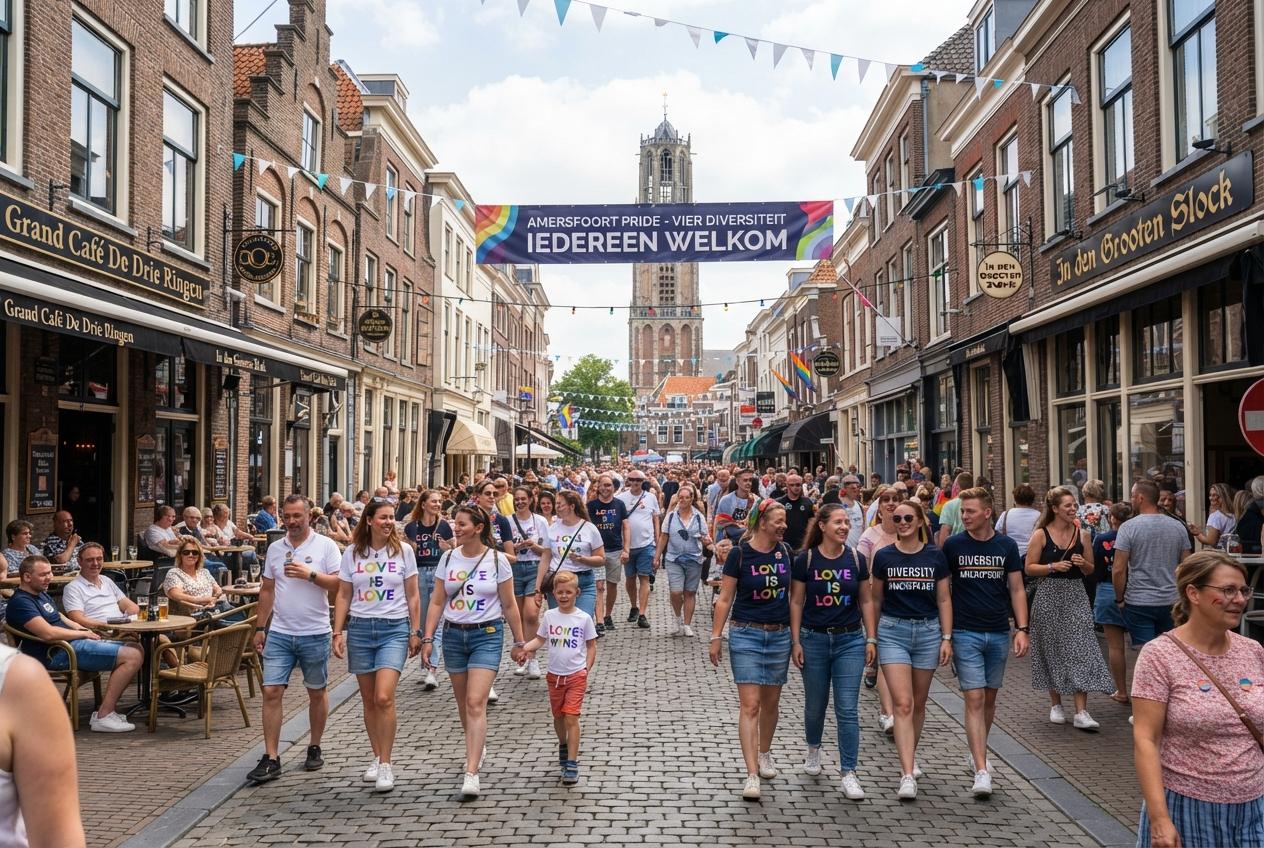
Notice how people are starting to demand more than words: communities, councils and businesses must act to stop homophobic violence and make Pride events safe for everyone. A brutal attack after a recent Amersfoort Pride and rising EU data show why practical steps matter now.
Essential Takeaways
- Shocking incident: A Pride attendee in Amersfoort suffered severe facial and neck injuries after being attacked; suspects were youths on fatbikes.
- Rising reports: Harassment and violence against LGBTIQ+ people have increased significantly across Europe in recent years.
- Low conviction rates: Many reported attacks do not lead to convictions, leaving survivors and communities feeling unprotected.
- Visible solidarity helps: Public participation from companies, emergency services and sports teams can make Pride feel safer and more inclusive.
- Practical steps work: Simple measures , better policing plans, witness reporting, community marshals and clearer safe-space policies , reduce risk and increase confidence.
A brutal attack that should jolt everyone awake
The image of a man beaten so badly after Pride that he needed intensive care is the kind of thing that rips the gloss off the festival pictures. According to local reporting, the victim suffered multiple facial fractures and a damaged neck after being knocked from his bike and set upon by teenagers on fatbikes. That visceral horror is a reminder that visibility still carries risk for many people.
This incident in Amersfoort isn’t an isolated story; it sits against a backdrop of growing reports across Europe. The immediate reaction is outrage, but outrage alone won’t stop the next attack. Practical, visible protections and follow-through from police and prosecutors are what survivors need most.
Europe-wide trend: more reports, too few convictions
Data from an EU agency show that harassment and violence against LGBTIQ+ people have risen sharply in recent years. Surveys and official reports point to a worrying pattern: more people are experiencing hostility, but only a tiny fraction of incidents result in convictions, which undermines trust in the justice system.
That gap between reports and convictions matters. If perpetrators don’t face consequences, it signals tolerance for this kind of violence. Communities should press for transparent police procedures, quicker investigations and public updates so people know incidents are being taken seriously.
Visibility isn't just celebration , it’s protection
Parades that include local businesses, emergency services and sports teams send a clear message: you belong here. Witness accounts from other cities show Pride feels different when institutions join in. A players’ bus, a supermarket float or a hospital team on the route tells someone wearing a rainbow on their cheek that help and acceptance aren’t just slogans.
But visibility can also make people targets if safety plans aren’t in place. Event organisers should pair celebration with firm measures: controlled routes, lighting, CCTV where appropriate, clear reporting points and trained stewards who can intervene or summon help.
Practical safety steps organisers and communities can adopt
There are straightforward, affordable steps that make a real difference. Hire trained marshals and first-aiders, coordinate with local policing for visible patrols without creating an intimidating atmosphere, and set up discrete reporting hubs for attendees. Provide maps and helpline details on leaflets and social feeds so people know where to go.
Schools, workplaces and faith groups can likewise adopt simple policies: clear non-discrimination statements, visible ally training, and reporting routes that feel safe for victims. When everyone claims responsibility , from councils to small businesses , the burden of protection doesn’t fall on those most at risk.
What bystanders and allies can do right now
If you witness harassment, your immediate actions matter: call for help, record what you can safely, and be a named witness. Organisations can make it easier by promoting witness reporting lines and supporting people through the legal process. Allies should also show up at events, visibly and consistently, not only in Pride month but all year long.
Ultimately, changing culture is incremental. Individual acts of solidarity add up, but institutional changes , stronger prosecutions, better policing practices and community-backed safety measures , will keep people off hospital wards. That’s the kind of progress everyone can support.
It's a small change that can make every celebration safer and ensure Pride isn't a risk but a refuge.
Source Reference Map
Story idea inspired by: [1]
Sources by paragraph: