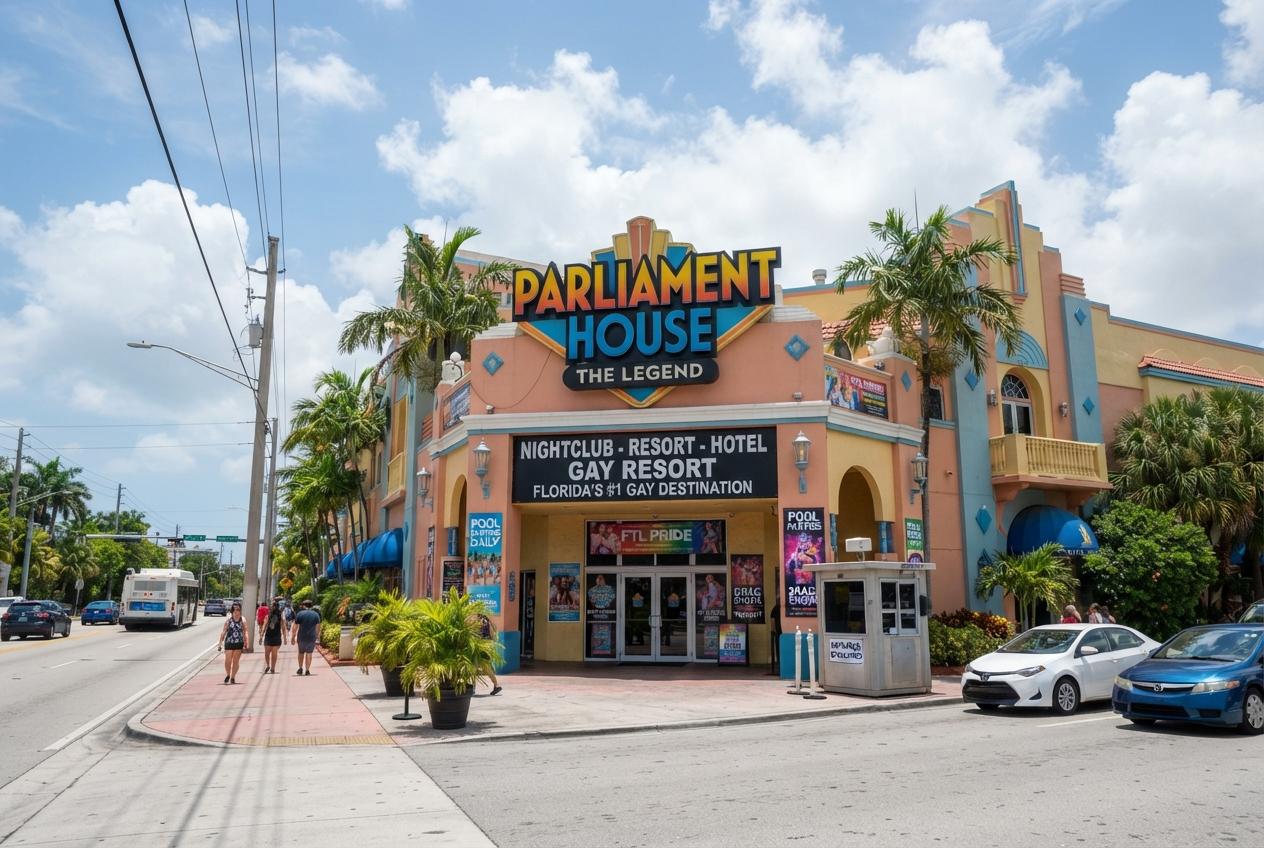
Shout it out: queer nightlife has long been more than fun , it’s been a survival strategy, a mutual-aid network and a political practice. From sweaty club floors to organised fundraisers, these rooms turned joy into resistance for people who had nowhere else to belong.
Essential Takeaways
- Collective survival: Queer clubs historically acted as informal mutual-aid hubs, offering care, information and money in crises.
- Joy with edges: Nightlife joy was sweaty, holy and defiant , not mere distraction but a way to stay human under threat.
- Built-in vigilance: DJs, door staff and regulars kept watch; pleasure and protection often went hand in hand.
- Therapeutic effects: Shared dance and movement boost bonding and can ease anxiety and pain; research backs the benefits.
- Not a substitute: Parties don’t replace organising or legal fights , the most powerful joy was attached to community action.
Why dancing felt like survival, not escape
The first thing to say is that those club lights smelled like cigarette smoke, sweat and a kind of desperate hope. According to accounts from nightlife veterans, nightclubs during the AIDS years were places where people learned who was sick, who needed help and which friends had vanished. That mixing of pleasure and logistics meant a runway for care: benefit nights, hat-passing for medical bills and informal networks that moved faster than institutions. For many, the dance floor was less an escape than a breathing room.
How joy became infrastructure
It’s easy to dismiss a party as frivolous unless you’ve seen a room save lives. Nightlife organisers, bartenders and performers often doubled as first responders , spotting someone too quiet, delivering news, organising fundraisers. Local venues hosted benefit events and community gatherings, collapsing the false divide between pleasure and protection. When official help lagged, those rituals of togetherness were the practical solution people had.
The science behind collective movement
There’s a reason clusters of bodies in sync feel electric. Researchers link synchronized movement to stronger social bonds and raised pain thresholds, and dance therapy shows benefits for depression and anxiety. Put another way: when people move together, the room becomes a medicine cabinet. That doesn’t mean a club replaces therapy or advocacy, but it explains why those nights felt restorative and binding in ways newspapers can’t capture.
When critics say “just dance,” what they miss
Telling a community to “party” in the face of political attack can sound tone-deaf, and sometimes it is. The pushback lands when joy is offered as the whole plan, as if glitter itself will stop laws or change courts. The more accurate history shows joy paired with vigilance , a room with witnesses, a doorperson who notices an absence, a community that turns grief into logistics. That context is the difference between anaesthesia and armour.
What modern organisers are doing now
Today’s queer cultural programmers and arts spaces often build explicit links between nightlife and care: photo exhibits documenting Black queer euphoria, after-dark programs that preserve histories, and listings for venues that act as community hubs. These efforts echo earlier practices but add archival memory and formal networks, recognising that pleasure needs scaffolding: history, mutual aid and political muscle.
How to support nightlife that protects and empowers
If you want to help, think beyond attending the party. Volunteer at benefit shows, donate to mutual-aid funds for venue staff, learn local venue histories and back campaigns that protect nightlife spaces. Choose events where organisers centre access, care and safety , the kind of nights where joy arrives with a plan and a watchful eye.
It’s a small shift to remember: dancing didn’t end crises, but it helped people keep living long enough to keep fighting.
Source Reference Map
Story idea inspired by: [1]
Sources by paragraph: