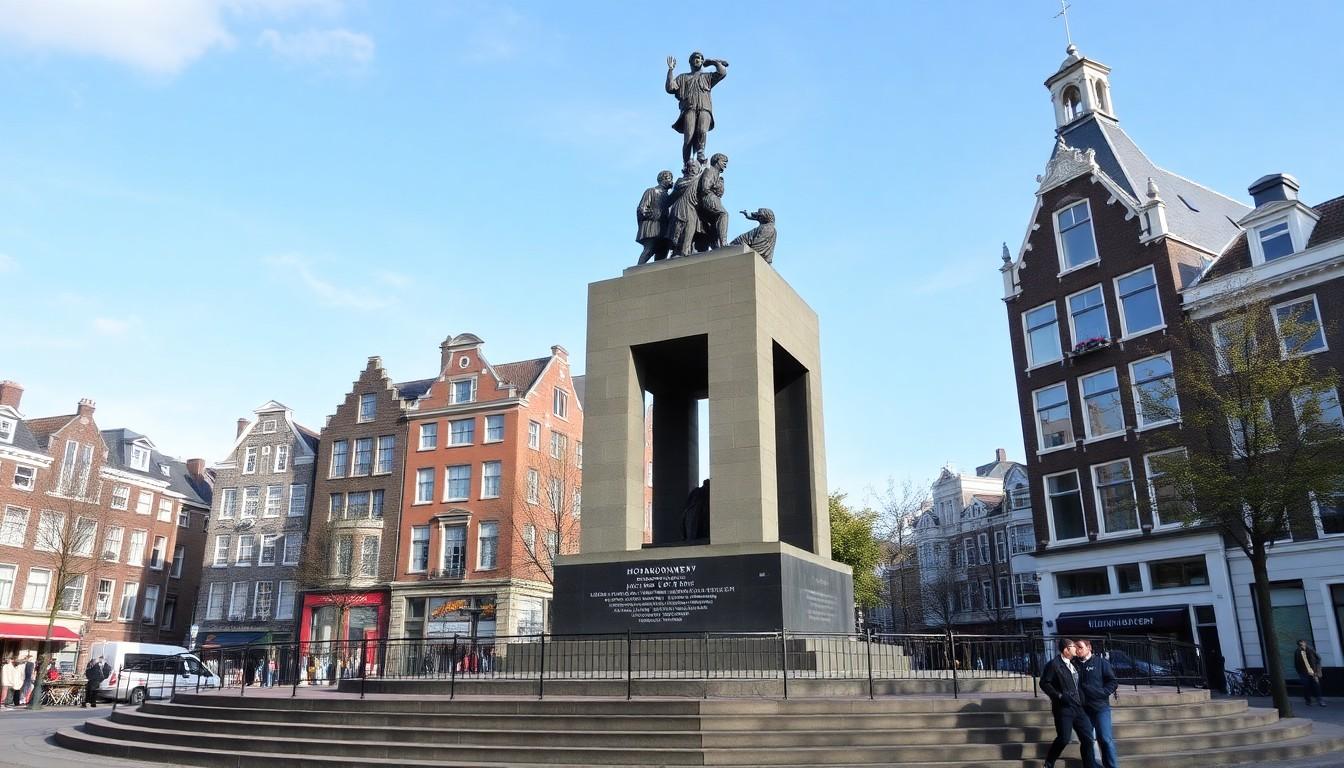
Notice how Pride becomes both a party and a mirror: Amsterdam’s WorldPride this year draws crowds, flags and music , and a reminder that acceptance still has a long way to go. Here’s a clear look at what’s happening, why it matters, and how to take part safely and thoughtfully.
Essential Takeaways
- WorldPride spotlight: Amsterdam is hosting WorldPride for the first time during the 25th anniversary of same-sex marriage in the Netherlands, with the Canal Parade as a central event.
- Mixed reactions: Events draw celebrations and official programmes, but also protest, vandalism of flags and violent attacks that underline persistent hostility.
- Youth attitudes matter: Large-scale research shows significant conservative views among pupils when LGBT+ is visible, signalling ongoing cultural resistance.
- Safety focus: City authorities have said tackling discrimination and violent incidents is a priority for WorldPride, with extra resources and policing.
- Practical note: Plan for crowds, pick safe viewing spots, support community groups, and remember visibility brings both joy and risk.
WorldPride in Amsterdam: big, bright and politically charged
Amsterdam’s canals and bridges will glint with colour as WorldPride arrives, and the Canal Parade will once again be the gleaming centrepiece. This edition matters because it marks a quarter-century since the Netherlands led the world in legalising same-sex marriage, so the celebrations are both festive and historically resonant. But with visibility comes intensity: large festivals tend to spotlight progress while exposing how much work remains to protect queer lives. If you’re going, expect packed streets and a charged atmosphere , go early, pick a spot with good exits, and buddy up if you want to feel safer.
Visibility brings joy , and sometimes backlash
Pride has always been a mix of joy and provocation; flaunting difference is the point, and that can spark ugly reactions. In recent years Amsterdam has seen pride flags torn down, set alight and people physically attacked on their way home from events, reminding us that visibility can provoke violence as well as celebration. City services and organisers are aware of that tension and have ramped up security and outreach measures in response. Consider supporting local charities that provide aftercare or legal help, and report any incidents you witness , solidarity is useful in concrete ways, not just as a slogan.
What the youngsters are saying , worrying trends
Research looking at tens of thousands of school pupils shows a surprising conservatism when LGBT+ identity is visible: many young people still express non-accepting views. That finding complicates the idea that younger generations automatically mean progress, and it helps explain why Pride can feel like a weekly exam rather than a victory lap. Schools, parents and community groups have their part to play: open conversations, inclusive curricula and everyday representation are practical levers to shift attitudes. If you work with young people, start small: use relatable role models, safe discussion formats, and concrete examples of what acceptance looks like.
City response: safety and messaging for WorldPride
Local authorities are taking a two-track approach: celebrate loudly, and protect quietly. Officials say tackling discrimination and violent incidents is a priority for this WorldPride, with extra policing, outreach teams and clearer reporting channels during the festival period. That doesn’t erase the risk, but it helps the many visitors , and residents , who want to enjoy events without fear. Practical tip: download official event maps, follow city safety guidance, and stick to recommended supporter zones if you’re new to large gatherings.
How to enjoy Pride responsibly and meaningfully
Showing up matters, and how you show up can make a difference: be visible, but prepared. Wear comfortable shoes, carry water, and identify meeting points in case your phone dies or you get separated from friends. Beyond street parties, consider attending talks, protests and volunteer shifts , those quieter spaces are where policy and protection get made. And if you see someone harassed, intervene safely: call for help, document if it’s safe to do so, and support them afterwards , small acts add up.
It’s a small change that can make every celebration a bit safer and every flag a little more secure.
Source Reference Map
Story idea inspired by: [1]
Sources by paragraph: