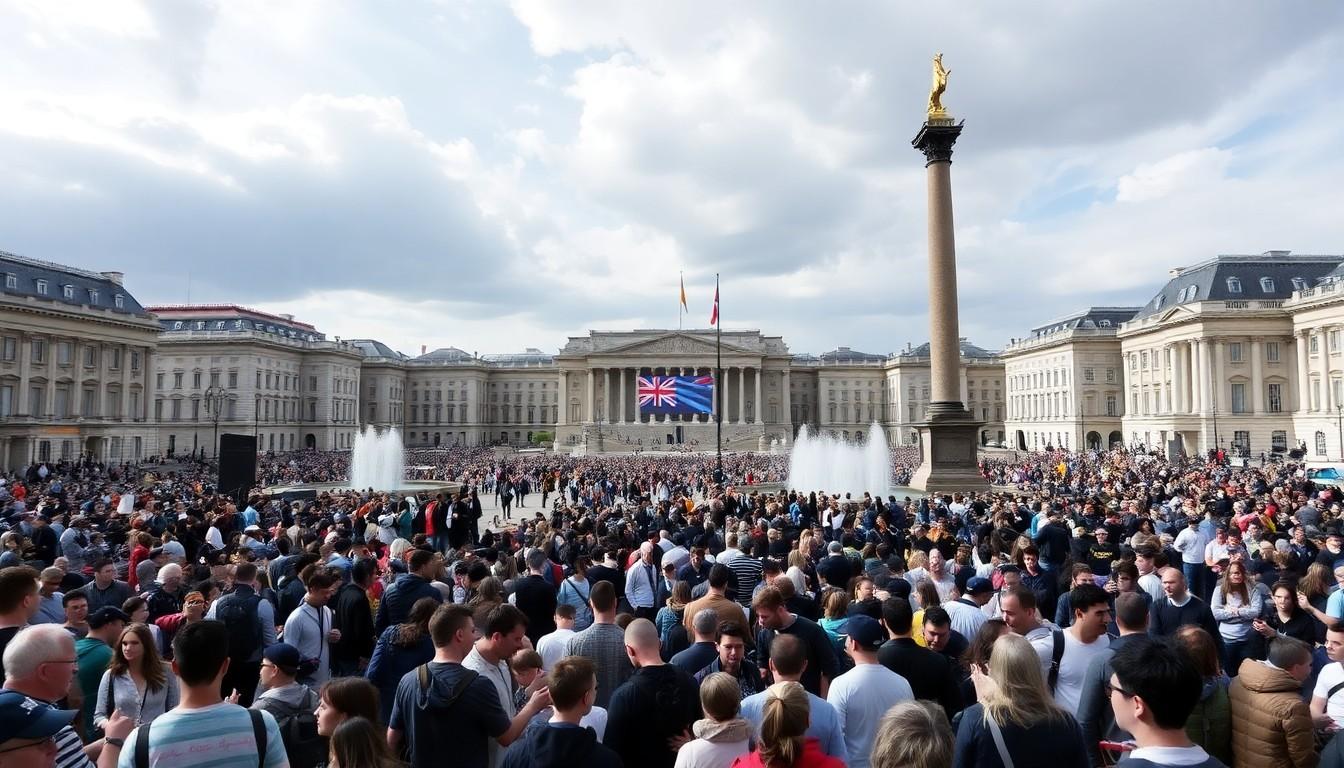
Watch as London Trans+ Pride returns to central London, with the march finishing at Trafalgar Square for the first time on Saturday 25 July , a milestone for organisers and the thousands who’ll gather to celebrate, protest and demand rights under this year’s theme, "Our Future, Our Fight".
Essential Takeaways
- Historic finish: The march will end at Trafalgar Square for the first time, signalling growth and visibility.
- Big turnout expected: Organisers anticipate more than 100,000 trans people and allies taking part , loud, colourful and packed with energy.
- When and where: Assembly at Langham Place from 1pm on Saturday, with the procession moving into central London.
- Emotional mix: Expect celebrations alongside political messages, reflecting joy, grief and fierce demands for rights.
- Practical note: Look out for accessible routes and wellbeing spaces; bring water, comfy shoes and a sense of solidarity.
Why finishing at Trafalgar Square matters
The move to Trafalgar Square is more than a change of postcode; it’s a symbolic claim on one of the capital’s most recognisable public spaces. Organisers say the shift reflects the march’s growth and the need to take up space audaciously, and you can feel the significance when you picture thousands converging there, banners high and voices together.
This year’s theme, Our Future, Our Fight, gives the finish line extra bite. The route ending in such a visible place frames the march as both celebration and protest , a duality you’ll see in the music, speeches and the thousands of outfits on display.
Who’s speaking, performing and attending
The press launch drew a mix of activists, politicians and artists, showing the event’s broad reach. People from across the community and allies in public life have been vocal in supporting the march, and speakers are expected to reflect that range , from grassroots organisers to public figures who’ve lent their voices.
Attendees told organisers they want space to express joy as well as to air concerns following recent legal and policy shifts. Expect contributions that balance celebration with calls for concrete protections and inclusion.
Political context and why people are there
Recent legal developments, including updated government guidance and court rulings about sex and equality law, have sharpened the political edge of this year’s march. Many participants are marching to highlight how policy decisions affect everyday access to services and spaces, and to insist that trans people are treated as people, not abstract ideas.
Speakers at launch events stressed how policing access to single-sex spaces can ripple far beyond transgender communities. That framing helps explain why London Trans+ Pride feels both urgent and necessary right now.
What to bring, how to stay safe and enjoy the day
Practicalities matter on a day like this. Wear comfortable shoes, bring water, snacks, sun protection or rain gear depending on the forecast, and plan meeting points with friends. If you rely on accessible transport or need quiet spaces, check the organisers’ guidance in advance , wellbeing hubs and stewards are usually on hand.
If you’re new to marches, remember to respect the crowd’s rhythm: move with the flow, follow steward advice, and don’t block entrances or exits. Photographers will be present, so if you prefer not to be filmed, look for designated quieter areas.
What this says about visibility and the future
Ending at Trafalgar Square feels like a declaration: trans communities are here to stay, visible and vocal in the heart of the city. The blend of joy, grief and political urgency you’ll see on the day mirrors broader cultural conversations about rights and recognition.
Whether you march, cheer from the sidelines, or follow online, the event offers a clear message , this is a movement that wants to be seen, heard and reckoned with.
It's a small change in location that makes a big statement about presence and pride.
Source Reference Map
Story idea inspired by: [1]
Sources by paragraph: