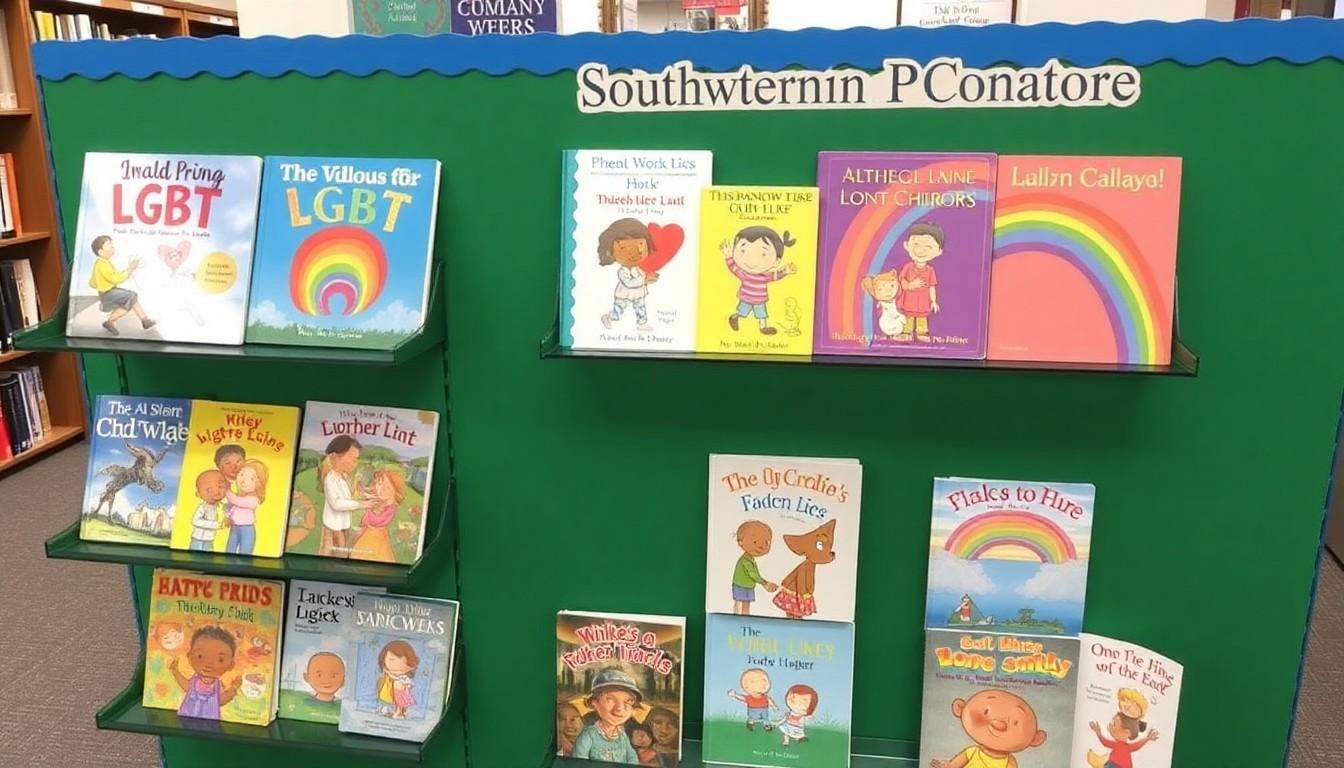
Shoppers of civic life have noticed a new front in local politics: library shelves. In Monroeville, a children’s Pride Month display was taken down early after elected officials raised alarm, reigniting a regional fight over LGBTQ+ books and civic process and why it matters for families, librarians and community groups.
Essential Takeaways
- What happened: Monroeville Public Library’s children’s Pride display was removed early after council members raised concerns; the move drew large public comment and protests.
- Tone and tactics: Officials called some materials “grooming,” language that opponents say stigmatises LGBTQ+ people and stokes fear.
- Process issues: Library leaders say no formal reconsideration request was filed; critics call the council’s intervention informal and inappropriate.
- Wider pattern: Similar disputes across suburbs since 2021 show a trend of challenges to LGBTQ+ and race-related books, with mixed outcomes.
- Practical action: Community groups and libraries are creating alternatives, like Little Queer Libraries, to preserve access in safe spaces.
A small display, a big reaction , the opening hook
The Monroeville Pride shelf was modest and colourful; for many it felt reassuring, for others it provoked alarm. According to reporting, councillors publicly criticised the display and one described it with the loaded term “grooming,” which pushed the municipal manager to replace the display ahead of Independence Day. The result was a packed council chamber and neighbourhood mobilisation.
Monroeville’s clash landed in a broader regional pattern where local officials and activists spar over what children should read and see in public institutions. For parents and library users, the immediate question became one of transparency and authority , who decides what stays on display?
How library policies and municipal power clashed
Libraries and library associations maintain formal processes for reconsidering materials, but the Monroeville case shows how unofficial pressure can short‑circuit them. The county library association noted no formal complaint had been filed, and library trustees said private contacts from council members influenced their reversal.
That matters because accredited librarians curate with professional standards and community knowledge. When political pressure bypasses those channels, it can create confusion and distrust. If you’re a library trustee or a concerned parent, insist on documented reconsideration processes and public meetings rather than back‑channel demands.
Language and stakes: why “grooming” changed the conversation
Calling children’s books “grooming” turned a local programming decision into an emotional, nationalised argument. Critics say that term is used strategically to stigmatise LGBTQ+ content and to attract media attention; defenders say they’re protecting kids. The label shifts debates from policy to morality, mobilising supporters on both sides.
That rhetorical escalation has consequences: it can chill librarians’ choices, polarise community meetings and spur the creation of parallel services. For families worried about exposure to age‑inappropriate material, formal review procedures and clear age‑guidance on displays are the clearest remedies.
Regional pattern: this is not an isolated moment
Monroeville is one flashpoint among several in the region since 2021. School districts and municipalities have amended policies, reversed decisions under pressure, or seen contested hires to library boards. Some communities have rolled back restrictive policies after vote swings; others still have active challenges.
If you follow these disputes, notice the recurring elements: vocal local activists, conservative organising groups, and a mix of procedural gaps that allow escalation. For community advocates, the practical lesson is to engage early in policy reviews and to campaign for transparent, written rules that limit ad hoc intervention.
What communities and libraries are doing instead
Faced with removals and challenges, local groups are not just protesting; they’re building solutions. One example is Little Queer Libraries and other privately funded collections that provide queer books in community spaces insulated from political pressure. Libraries are also reaffirming reconsideration policies and educating the public about how curation works.
If you want to help, join your library’s friends group, attend board meetings, or volunteer with local literacy projects. Small acts , showing up, donating, speaking concisely at a meeting , often have outsized effects in these local battles.
It's a small change that can make every display and shelf safer, fairer and clearer for everyone.
Source Reference Map
Story idea inspired by: [1]
Sources by paragraph: