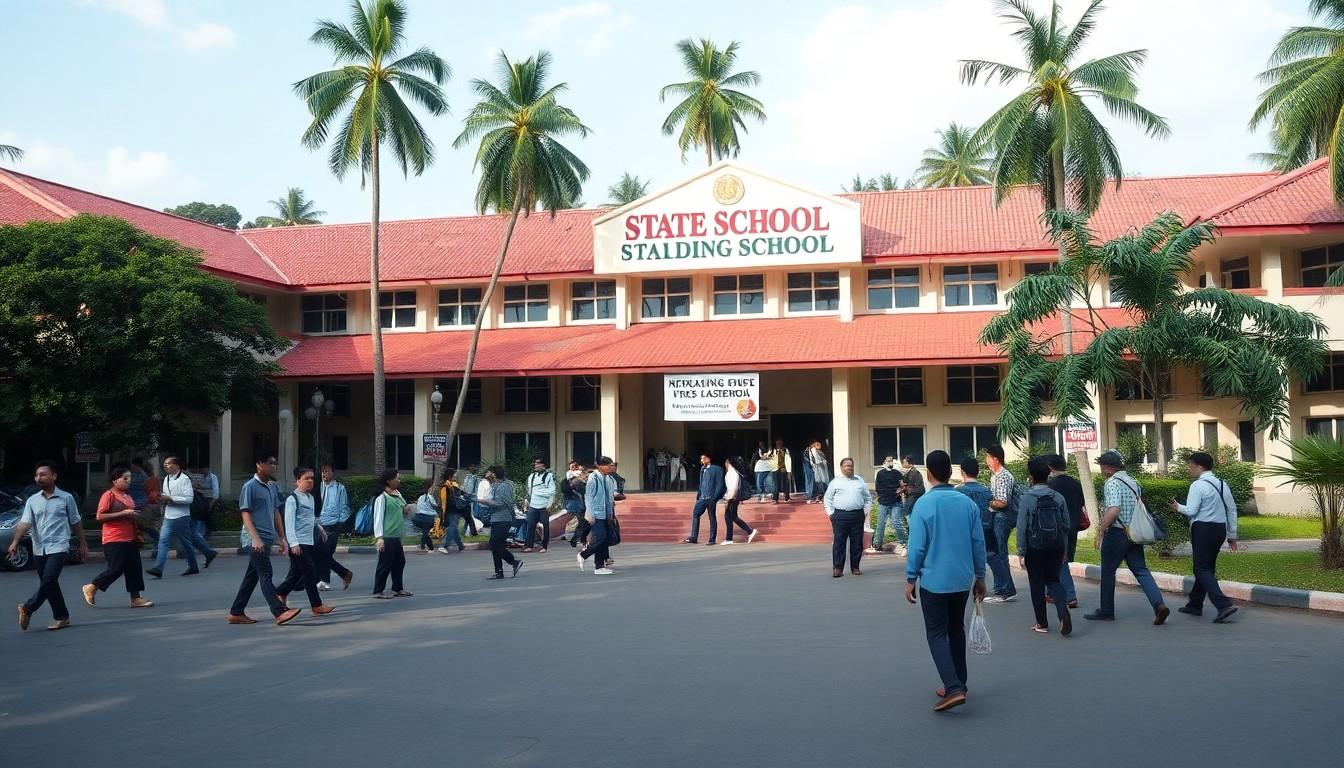
Shaking the classroom: Catholics and LGBTQ+ advocates in Indonesia are pushing back after the government floated plans to teach against “LGBTQ culture” in state-run boarding schools and colleges, a move critics say risks discrimination and distracts from real school issues. Here’s what’s happening and why it matters.
Essential Takeaways
- Policy shift: The government has proposed anti-LGBTQ+ material for state boarding schools and higher education, framing “LGBTQ culture” as a social threat.
- Religious pushback: Several Catholic leaders and organisations have publicly criticised the plan as unjust and harmful to human rights.
- Personal impact: Trans and queer Indonesians say the proposal worsens stigma and undermines equal treatment in daily life.
- Political context: Officials link the move to a broader 2025 defence policy that lists “LGBTQ culture” among non-military threats like gambling.
- Practical concern: Critics warn curriculum focus on condemnation could divert attention from pressing school problems, like resource gaps.
What the proposal actually says , and how it landed with parents and teachers
The government’s outline seeks to introduce religious instructions that discourage what officials call “LGBTQ culture” into state-run pesantren and some public colleges. That phrasing feels clinical but lands harsh in everyday terms , it’s not just policy, it’s a message to classrooms. According to local reporting, the Education and Religious Affairs apparatus has argued this is about social defence. Parents and teachers have reacted with surprise, anger, and concern for student welfare. For many families, the immediate worry is how this will affect queer pupils’ sense of safety and belonging.
Why Catholic leaders have spoken up
Several Catholic figures have been unusually vocal, arguing the move crosses a moral line into discrimination. A Divine Word priest and philosopher publicly said targeting a group in school material violates human rights and democratic norms. Catholic voices are stressing a protective role for the state: if a government runs schools, it should also guard the rights of all students. Their critique is notable because it shows religious communities aren’t monolithic on these issues , some faith leaders are defending dignity rather than endorsing exclusion.
How LGBTQ+ activists describe the day-to-day consequences
Trans and LGBTQ+ activists have described the proposal as a step backwards, saying mainstream attitudes in parts of Indonesia are still driven by fear rather than understanding. For someone like a Catholic transgender activist who’s spoken out, the change isn’t abstract , it’s a new challenge to basic equal treatment. Activists warn classroom messaging that frames identities as problems deepens stigma, can spur bullying, and makes students less likely to seek help when they need it.
The broader political picture: defence policy, distractions, and timing
This curriculum push follows a 2025 Presidential Regulation that listed the “spread of LGBTQ culture” as a kind of non-military threat alongside gambling and cyberattacks. Some analysts and campaigners suggest the education proposal also distracts from other unresolved issues in schools, such as funding shortfalls, teacher training and infrastructure. Framing social groups as threats can be politically useful, but it risks steering scarce attention and resources away from the everyday problems teachers and pupils actually face.
Practical tips for parents, teachers and schools
If you’re a parent or teacher worried about how the policy might affect children, there are concrete steps to consider. Keep channels of communication open with pupils and staff, and monitor for signs of bullying or distress. Document incidents and ask for clear safeguarding measures from school administrators. Reach out to community or faith leaders who have spoken in support of students’ dignity , their backing can shift local discussions. Finally, ask schools how they will train teachers to handle sensitive topics responsibly and respectfully.
It's a small change with big implications for classrooms, and watching how schools respond will matter for families across Indonesia.
Source Reference Map
Story idea inspired by: [1]
Sources by paragraph: