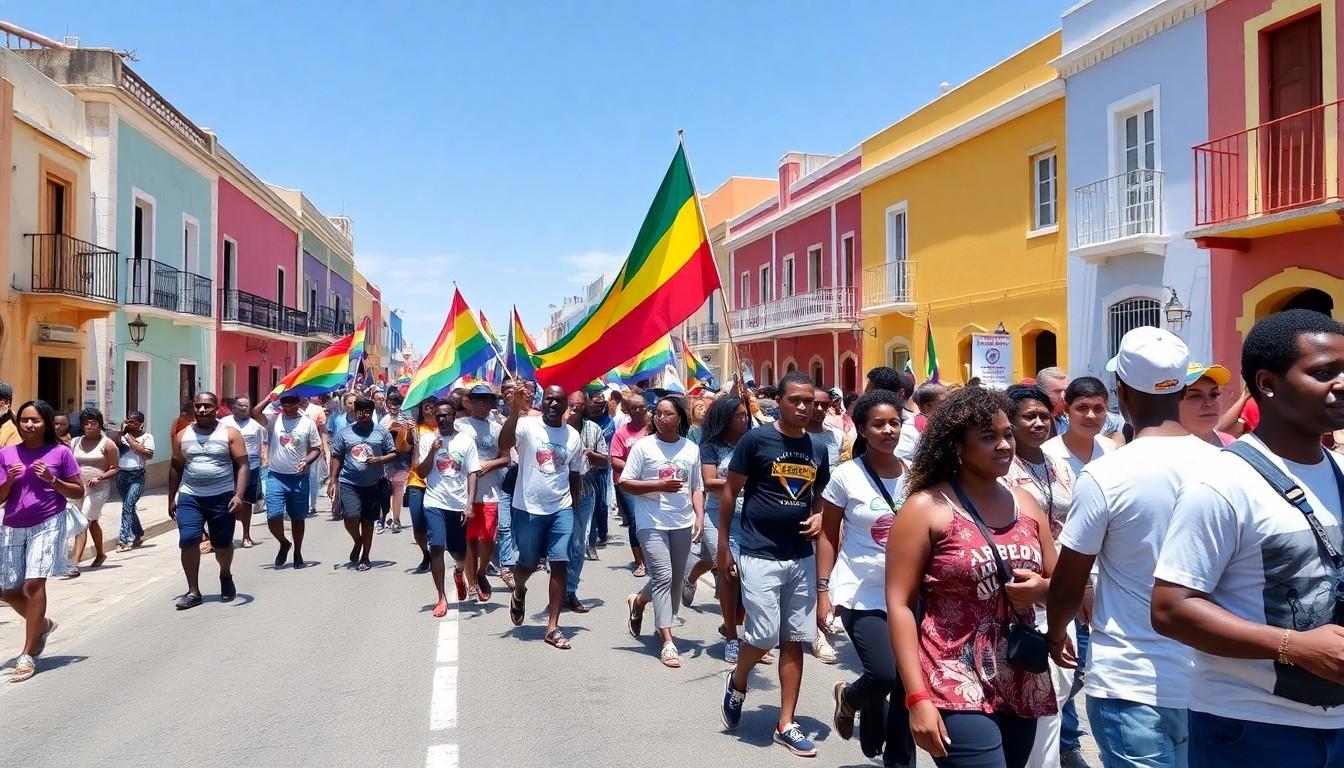
Shining a light on a small nation doing big work: Cape Verde’s government-backed Pride march and steady human-rights programmes show why the island is seen as one of Africa’s most welcoming places for LGBTQIA+ people, and why those policies matter for refugees, victims of gender violence and everyday inclusion.
Essential Takeaways
- Visible leadership: Cape Verde staged an institutional Pride march in July, signalling state support and normalising LGBTQIA+ presence.
- Practical protections: The country has no recent hate-crime fatalities and runs shelters and victim-support services that reduce life‑threatening risks.
- Regional refuge: Authorities have assisted LGBTQIA+ individuals fleeing persecution from neighbouring West African countries.
- Policy gaps remain: Same-sex marriage, adoption and full social protections are still unresolved and rely on community mobilisation.
- Broader gender work: The government links LGBTQIA+ inclusion to wider gender equity efforts, including tackling male vulnerability and political violence.
Why a state-backed Pride march matters for rights and safety
Cape Verde’s decision to hold an institutional Pride march this year did more than mark a date on a calendar; it made acceptance visible. When a government lends its name and resources to public celebration, it sends a clear signal that LGBTQIA+ people belong in public life, not only in private.
That visibility matters practically as well as symbolically. According to international reporting and local accounts, Cape Verde has become known as a comparatively open destination in West Africa, attracting tourists and, in some cases, people fleeing persecution. For those seeking refuge, the island’s reputation and functioning support systems can be life-changing.
If you’re tracking human-rights progress, note that state sponsorship of public events is often a barometer for broader intent: it tends to coincide with training for police and social services, improved victim support, and efforts to normalise inclusion in schools and workplaces.
Shelters and support: how Cape Verde turned prevention into results
Cape Verde’s gender equality agency and partners invested in a network of services designed to catch people before violence escalates. The introduction of accommodation for people who need a temporary safe space, alongside psychological and economic support, has been credited with helping the country record a period without gender-based homicide deaths.
This approach matters because protection isn’t only about law‑making; it’s about pathways out of danger. Practical tips for policymakers in other countries: pair legal frameworks with funded shelters, give victims access to income-generating programmes, and prioritise localised training for frontline police and prosecutors.
Even so, experts warn that reporting and follow-up still need work: getting people to come forward and keeping them in a system of care are ongoing challenges.
Refuge and regional context: why Cape Verde feels different in a tougher Africa
Across the region, several countries have hardened laws on same-sex relations, creating a challenging climate for activists and ordinary people. Against that backdrop, Cape Verde’s openness has made it an unexpected point of refuge; officials confirm cases of individuals arriving from places such as Senegal and Ghana after facing threats.
Humanitarian organisations and journalists have noted the trend too, describing Cape Verde as one of the more welcoming places in Africa for LGBTQIA+ people. That doesn’t mean all questions are solved: legal recognition of families and marriage remains unresolved, and many protections depend on continued political will and civil-society capacity-building.
For anyone helping refugees, the lesson is obvious: even small states can play outsized roles if they combine public messaging with concrete reception and integration services.
Laws, limits and the path to full equality
Cape Verde has a comparatively consistent legislative framework on gender equality, but gaps persist when it comes to family law and full civil recognition for LGBTQIA+ relationships. Officials say progress will need organised community advocacy alongside state action.
That’s important to understand: legal change rarely arrives only from the top. Communities need resources to organise, to demand rights, and to participate in policy reviews. In practical terms, NGOs and donors should focus on building durable associations, so activism doesn’t lose momentum when key people move away or life circumstances change.
If you’re aiming to push for legal reform locally, start by supporting grassroots organising, invest in public education to turn tolerance into understanding, and back data collection so policymakers have a solid case for change.
Gender policy beyond women: why men’s issues are part of the equality story
Cape Verde’s gender agenda stretches beyond women’s rights to address male vulnerabilities, from mental health to substance misuse and educational drop-out. Officials argue that fighting inequality needs to include men, because creating fairness for women shouldn’t simply shift burdens elsewhere.
Programmes that bring men into the conversation , community workshops, targeted counselling and prevention work , help reduce violence and improve social outcomes for everyone. It’s a reminder that gender policy is not a zero-sum game: better support for men can make society safer and freer for women, non-binary people and LGBTQIA+ communities alike.
For practitioners, the practical advice is to combine services: offer joint family-support initiatives, fund male-focused mental-health outreach, and design labour-market measures that help both women and men stay in productive work.
Closing line
Small island, big lessons: Cape Verde shows how political will, public visibility and practical services can make inclusion real , and why that matters for people on the move and communities at home.
Source Reference Map
Story idea inspired by: [1]
Sources by paragraph: