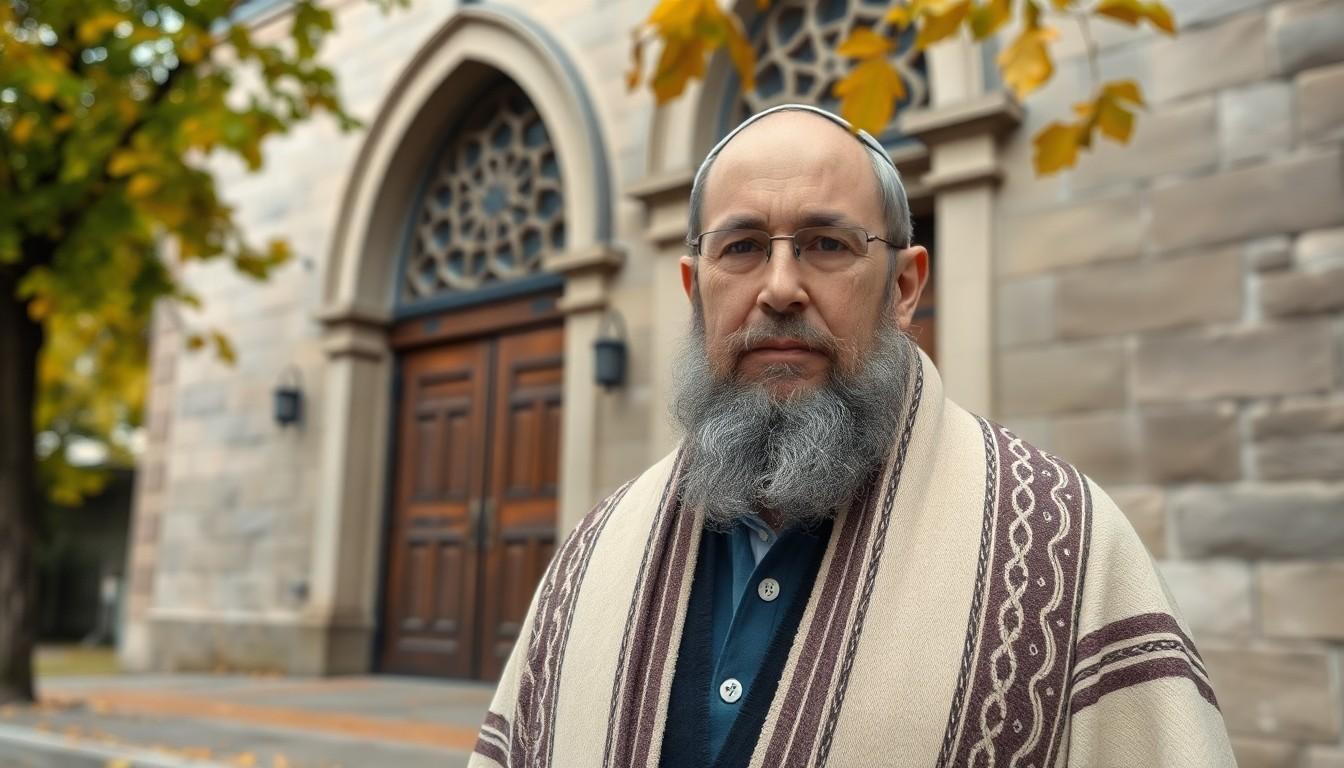
Shoppers of ideas are returning to traditional marriage rhetoric as observant Jews, some conservatives and civic groups press to revisit Obergefell v. Hodges , a movement gaining political traction and sparking questions about children, culture and the future of marriage law in the US.
Essential Takeaways
- Growing coalition: Religious leaders, civic groups and some secular conservatives are co‑organising against Obergefell and related laws.
- Religious basis: Orthodox Jewish organisations frame opposition around biblical law and long‑standing halachic norms.
- Child welfare claims: Critics argue same‑sex parenting brings measurable risks for children; proponents dispute those conclusions.
- Legal flashpoints: States and courts continue to revisit marriage‑equality precedents, making the issue politically volatile.
- Public opinion split: Surveys show wide variation by community and generation, with younger cohorts generally more supportive of marriage equality.
What’s happening now , the renewed fight and who’s involved
The renewed campaign to overturn Obergefell has broadened beyond a single constituency, and that’s what’s catching attention. Observant Jewish leaders and many conservative groups are publicly arguing that marriage should be defined traditionally, and they’re joining coalitions aimed at changing policy and public perception. According to reporting, coalitions include dozens of organisations with diverse rationales , religious, cultural and civic , which is helping the movement gain visibility beyond typical political corners. For readers, this matters because it reframes the debate as not simply Christian conservative activism but a wider cultural push that could influence state laws and litigation strategies.
Why observant Jewish leaders are raising their voices
For many Orthodox rabbis and Jewish traditionalists, opposition to same‑sex marriage is rooted in religious texts and communal law. They point to the Torah and longstanding halachic teachings as the moral and legal frame for family life, and they say public policy should reflect those commitments where conscience and civic life intersect. That position is not new, but it’s becoming more public and organised; groups representing rabbis have issued statements and letters to lawmakers explaining their stance. From a practical angle, these leaders are also speaking to their communities about how religious practice and civil law interact, and that conversation has become a visible part of the broader national debate.
The child‑welfare argument , contested evidence and heated claims
One recurrent theme from opponents is concern for children’s wellbeing, with claims that children raised by same‑sex parents face greater risks of mental‑health challenges and other harms. Advocates for marriage equality contest these findings, pointing to research showing children thrive across varied family forms when they have stable, loving care. The empirical picture is contested and politically charged; journalists and readers should note which studies and sources are cited, and whether peer‑reviewed research or advocacy reports are driving the headlines. If you’re weighing the issue personally, look for large, longitudinal studies and independent meta‑analyses rather than single small‑sample reports.
Legal landscape and where the courts and states are headed
The legal status of marriage equality remains a live issue. Several states and interest groups have explored measures that test the boundaries of Obergefell, and some cases could reach higher courts depending on legislative and electoral shifts. Reporters and policy wonks note that litigation strategy, state statutes and federal legislative efforts can all interact to create new precedents or reaffirm existing ones. For those tracking the story, it’s worth watching state capitals as well as appellate dockets: change often starts at the state level before arriving in federal courts.
Public opinion, generational shifts and political reality
Public opinion on same‑sex marriage isn’t monolithic. Polling shows younger cohorts are far more likely to support marriage equality, while older and more religious voters remain resistant. That generational split influences political calculus: parties and politicians weigh short‑ and long‑term voter trends when deciding whether to press or retreat on social issues. The practical takeaway is that cultural change and legal change don’t move in lockstep , laws may shift faster or slower than public sentiment, and advocacy groups know how to exploit both timelines.
Closing line It’s a complex, emotional debate with legal, cultural and personal stakes , follow the evidence, watch state actions, and remember the real people behind the policy headlines.
Source Reference Map
Story idea inspired by: [1]
Sources by paragraph: