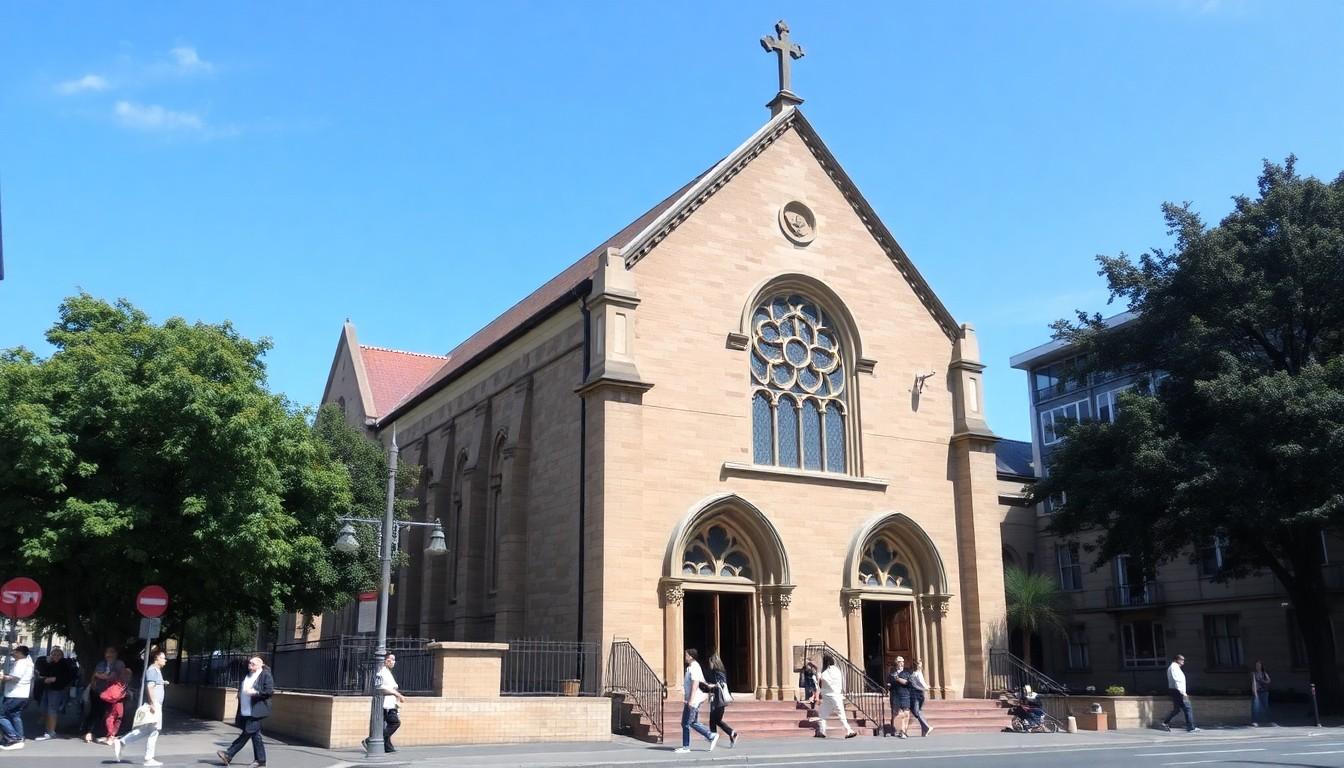
Shoppers, city workers and drag fans have found themselves watching a culture clash unfold in the heart of Sydney , a tiny, unconsecrated 150‑year‑old church turned arts space has become the flashpoint in a debate about art, religion and who gets to decide what's offensive.
Essential Takeaways
- Old building, new life: A 150‑year‑old former church in Sydney’s CBD now houses the Divine Playhouse, a small LGBTQ+ performance space with a bold, provocative opening night.
- Provocative programming: Performances included religious parody and shock elements , some audience members laughed, others felt deeply offended.
- Landlord intervention: The venue was served a notice to stop “engaging in offensive trade” and faced suspension of operations amid complaints from Catholic groups.
- Political backing for artists: Local politicians and nightlife industry figures publicly defended the venue and called for support for queer arts spaces.
- Practical impact: The dispute highlights tensions between free expression, community standards, and venue owners’ responsibilities.
A tiny church that packed a punch
The Divine Playhouse sits like a secret in Sydney’s central business district, its pews long gone and its rooms repurposed into tight performance spaces that feel both intimate and slightly mischievous. According to local reporting, the opening night served up deliberately provocative drag and theatre pieces that some found hilarious and others deeply hurtful. The sensory picture was vivid , sequins, cheeky irreverence and moments designed to shock.
The backstory matters. This wasn’t a random one‑off in a nightclub; it was a new arts venue funded with state support to nurture queer performance. That context explains why emotions ran high: for artists, it was a hard‑won place to be loud and visible. For some faith communities, it felt like a desecration.
How a name set the tone
Originally billed under a deliberately confrontational name, the troupe retreated at the eleventh hour, swapping Unholy Playhouse for Divine Playhouse. The name change didn’t mute the programme , the performance still leaned into parody and biblical imagery, which is exactly the point for many queer artists who use irreverence to critique institutions and find catharsis.
But names matter. When religious symbols get reworked into satire, believers may feel personally attacked. That tension between artistic intent and audience reception is at the heart of the dispute, and it’s one you see across culture wars from theatre boards to music festivals.
Landlord steps in , who decides what art is acceptable?
After mounting complaints, the venue’s landlord issued a breach notice accusing the organisers of offending sincerely held religious beliefs and ordering a halt to “offensive trade.” That intervention shifted the row from protest to potential eviction and raised practical questions about the rights and responsibilities of property owners.
Promoters and nightlife industry figures pushed back, arguing that freedom of expression includes the right to make confronting art while acknowledging others’ right to protest peacefully. Politicians in Sydney added their voices, calling for support of the venue and warning against letting landlord pressure shut down creative spaces.
If you run or book venues, this is a wake‑up call: have clear programming contracts, community engagement plans and a legal sense of what your lease allows before staging intentionally provocative work.
Politics, public space and the future of queer venues
Local councillors and a Greens MP publicly defended the Divine Playhouse as the sort of cultural incubator Sydney needs. Their argument is practical as well as moral: small venues are the lifeblood of creative scenes, and once they’re pushed out by controversy or cost pressures, the city loses spaces where marginalised communities can meet and experiment.
On the flip side, faith groups mounted organised protests and vowed to pray outside the venue, framing their actions as a defence of conscience. The clash underlines a recurring dynamic in urban life , competing claims on shared public or semi‑public spaces and how authorities mediate those clashes.
What this means for audiences and artists
If you’re an audience member, expect more conversations about where and how provocative art is presented. Venues may add clearer warnings, age restrictions or contextual material so patrons know what they’re walking into. Artists, meanwhile, may need to think strategically about community outreach and risk management.
For queer arts organisers, the practical takeaway is obvious: secure legal advice, document artistic intent, and build political and community allies before opening a venue that explicitly courts controversy. For faith groups, this incident highlights the importance of channeling grievances through lawful protest rather than seeking to silence voices.
It's a small clash with big implications for who gets to make noise in the city; for now, both sides are still arguing over what counts as art and what crosses a line.
Source Reference Map
Story idea inspired by: [1]
Sources by paragraph: