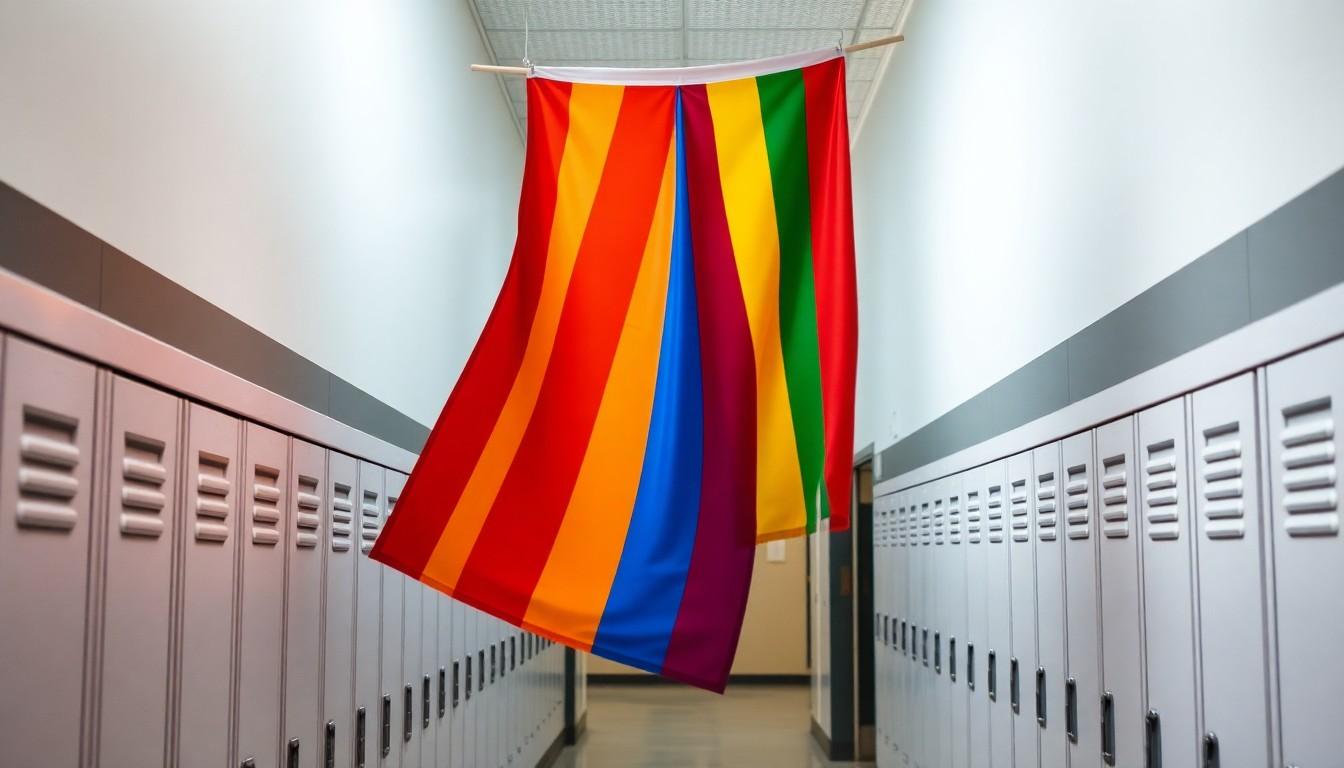
Watchers are weighing in as a Cape Town school tussles with a Pride flag; former pupil writes movingly about why that simple strip of colour mattered, who it protected, and why taking it down would be a step backwards for queer students who still need visible support.
Essential Takeaways
- Personal courage: A former student recalls secretly bringing a Pride flag to Bishops in 2021 and the quiet comfort it brought to a few openly queer pupils.
- Institutional tension: The Old Diocesan Committee challenged the flag as “political,” sparking debate about school values and alumni influence.
- Everyday harm: The writer describes ongoing bullying and the emotional labour of hiding identity, showing why symbolic gestures can feel lifesaving.
- Practical reality: Flying the flag required headmaster approval and was intended as a short, recognised gesture rather than a permanent policy change.
- Wider reflection: The episode highlights how schools with long histories still battle residues of exclusion even as national law affirms LGBTQ+ rights.
A folded flag, a small victory, and a loud reaction
There’s a lovely human image at the heart of this story , a nervous 17‑year‑old slipping a Pride flag into the school grounds and waiting to see if anyone would notice. That quiet, fluttering object did notice‑ably more for the few queer students who saw it than for the many who didn’t. According to local reporting, alumni outrage followed years later when the Old Diocesan Committee objected to the flag’s presence, calling it political and divisive. The contrast between a private, tender act and a public alumni backlash makes the conflict feel both intimate and oddly theatrical.
Schools are public spaces in miniature, and symbols occupy them for a reason. When a headmaster signs off on two days of Pride colours, it’s rarely about theatricality; it’s signalling that some students are seen. That mattered to the writer and their peers because visibility in a hostile environment can reduce isolation and risk. If you’re choosing whether to push for a campus flag, remember that small gestures can be meaningful acts of protection.
Why alumni objections landed so awkwardly
The ODC argued the flag was a “contested matter” and risked forcing the school into other political stances. That line has political theatre written all over it. Observers note that old boys’ clubs often bring nostalgia and a conservative instinct to preserve what they remember, and in this dispute that instinct has collided with contemporary expectations of inclusion. Critics have pointed out the contradiction: dismissing the flag as a hollow symbol while simultaneously insisting it’s so powerful it must be banned.
Context matters here. Bishops sits in a country whose constitution protects LGBTQ+ rights, yet long memories of exclusion at elite schools linger. Alumni influence is valuable for fundraising and tradition, but when it translates into policing what students can display on campus, it risks sidelining the wellbeing of current pupils. If you’re part of a school community grappling with this, ask who benefits from the ban and who pays the price.
The lived impact behind the slogan “it’s just a flag”
“Just a flag” is a phrase that sounds neat in meeting minutes, but it also has a hard edge when you’ve been taunted since age 13. The writer describes being misread and bullied from the first day, and how keeping quiet wasn’t protection but endurance. For a student who has been othered, a flag can be evidence that someone in authority notices and cares. That’s less performative and more practical: it can make reporting abuse easier, reduce shame, and build a tiny sense of safety.
Practical tip: schools considering symbolic gestures should pair them with policies , clear anti‑bullying measures, visible pastoral support, and student societies , so the symbol isn’t empty. According to local coverage of the row, Bishops had created a Pride Society and sought to fly the flag as a recognised show of support; removing the symbol without bolstering support structures would be a backward step.
Tradition versus inclusion: can both exist?
Plenty of alumni cherish tradition , crests, colours, rituals , and that’s understandable. But traditions evolve, and institutions that fail to adapt risk alienating the very communities they rely on. The controversy has prompted broader discussion about how elite schools reconcile their history with modern values. Reports suggest the debate has been noisy online and in alumni circles, and that a vote among old boys became a flashpoint.
If your school is navigating similar waters, approach the question as one of stewardship rather than proprietorship: what traditions sustain the school’s mission today, and which exclude? Small, consultative changes , inclusive events, framed commemorations, and alumni education , often ease the shift without erasing history.
What’s next and why this matters beyond Bishops
The story isn’t just about a single flag; it’s a lens on how communities decide who belongs. Local media coverage shows the row reverberated across Cape Town, prompting think pieces and spirited online debate. For current queer students, the stakes are concrete: symbols on campus can change if leadership and alumni align, and they can hinge on the votes and voices of people who aren’t even on campus anymore.
Looking forward, the healthiest path is a pragmatic one: keep visible signs of inclusion, back them with policy and pastoral care, and encourage alumni to listen to current pupils rather than dictate their comfort. After all, schools are for the living community, not a museum of old glories.
It's a small change that can make every day feel safer.
Source Reference Map
Story idea inspired by: [1]
Sources by paragraph: