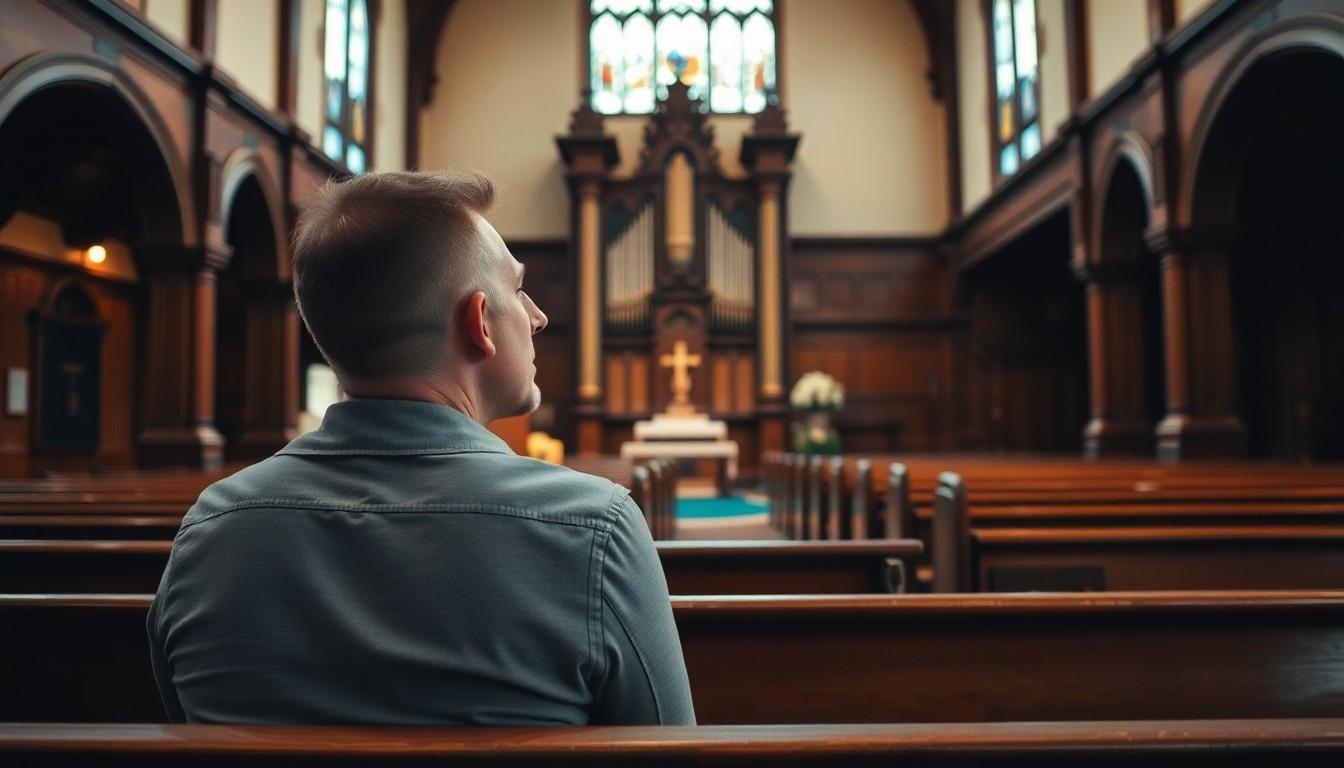
Notice how many gay men in midlife are finding their way back to church; they're drawn by ritual, friendship and a quieter search for meaning , often in communities that feel welcoming. This trend matters because it reshapes faith, identity and social life for men who’ve carried complex histories with religion.
Essential Takeaways
- Comfort in ritual: Many men say the sensory aspects , singing, candles, stained glass , bring calm and familiarity.
- Community matters: Returning is often about companionship and practical support, not doctrinal agreement.
- Faith with questions: Older congregants tend to hold doubt and devotion together, feeling less need for tidy answers.
- Different churches, different welcomes: Some find renewed belonging in more inclusive denominations or local congregations prioritising kindness.
- Practical benefits: Regular attendance can reduce loneliness, offer structured social life and create chances for meaningful service.
Why the sound of a hymn can pull you back in
The strongest detail you hear again and again is the music , hymns, choral voices, the hush before a service that feels like a collective inhalation. For men returning after decades away, that sensory memory is immediate and often powerful. According to interviews with returning congregants, the communal singing quiets judgment and creates a rare, shared moment of beauty. If you’re weighing a return, visit a service quietly first and notice how the space and sound land on you; sometimes the feel is the deciding factor.
Midlife reorders what we value , and spirituality shifts with it
Turning fifty tends to simplify priorities. Work pressures, caring for ageing parents, and loss change what matters, so faith becomes less about performance and more about solace. Many men say they no longer want to defend or debate doctrine; they want peace and companionship. This isn’t a retreat so much as a reorientation: faith becomes practical, a source of rituals that mark life’s seasons. If you’re considering going back, think about what you need now , community, quiet, or a place to grieve , and choose a congregation that offers those things.
Where inclusivity meets tradition: finding the right pew
Not every church will feel safe or welcoming, and that reality shaped many returns. Some men find warmth in denominations that explicitly affirm LGBTQ+ people; others discover small, local congregations where kindness beats politics. Reconciling sexual identity and religion is an ongoing process , for some, it means leaving a denomination; for others, it’s working for change from inside. Practical tip: call or visit a few congregations, chat with a staff member about outreach or chaplaincy, and pick the community that aligns with both your heart and boundaries.
Questions don’t cancel faith , they often deepen it
Older returners often describe faith as a set of questions held alongside a hope that matters. That shift is echoed in coverage of clergy and church disputes where people have learned to live with ambiguity rather than demand certainty. Returning to church can be an experiment in humility: you bring your doubts, you listen, and you let rituals refill the spaces words can’t. If uncertainty worries you, look for communities that host study groups, listening circles, or pastoral care , those structures make doubt feel less lonely.
The practical perks: friendship, rhythm and service
Beyond spiritual consolation, regular church life offers concrete benefits: a calendar of events, volunteer roles, and everyday social ties that can reduce isolation. Men in their fifties and beyond often appreciate predictable rhythms , weekly services, coffee hours, choir rehearsals , that stitch a social life back together. If you’re returning, start small: join a lunch group or a volunteer team first, and let relationships form naturally before you commit to a particular church identity.
What to expect next , and how to take the first step
Walking back through the church door rarely looks like a dramatic conversion scene. More often it’s tentative: sitting in the back pew, listening to a hymn, then staying for coffee. Some will sing in the choir again; others will simply show up for funerals and celebrations. Either way, return is rarely an admission of failure , it’s an answer to a longing that’s been around all along. If you’re curious, give yourself permission to try a couple of services and trust your senses; let the community that welcomes you do the rest.
It's a small change that can make every Sunday, and every friendship, feel softer and steadier.
Source Reference Map
Story idea inspired by: [1]
Sources by paragraph: