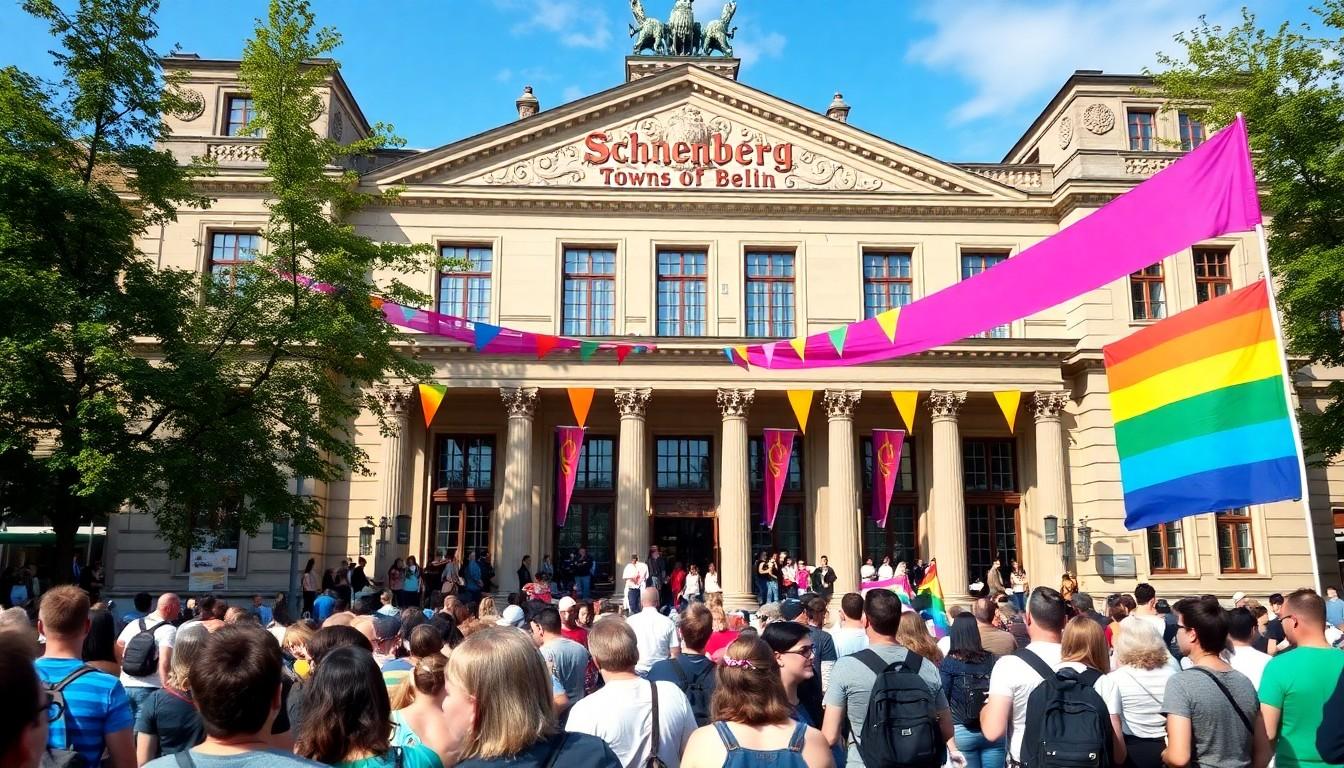
Celebrate, stroll and dance: Berlin’s 32nd Lesbian and Gay City Festival in Schöneberg brought music, politics and pavement parties to the Regenbogenkiez, drawing tens of thousands a week before Christopher Street Day and underlining why public queerness still matters.
Essential Takeaways
- Huge turnout: Tens of thousands attended the two-day festival around Nollendorfplatz and Motzstraße, creating a lively, packed atmosphere.
- Six stages: Live music, performances and political talks ran simultaneously, offering variety from dance beats to serious debate.
- Open bars and terraces: Most pubs and bars opened their doors and put out extra seating, making the streets feel like one long party.
- Civic message: Organisers framed the festival as a stand against discrimination and violence, and a push for equal rights.
- Iconic opening: Former Berlin mayor Klaus Wowereit acted as patron and opened the event, lending the festival both history and warmth.
Why Schöneberg still feels like Pride’s beating heart
The first thing you notice is the colour: flags, bunting and people in bright outfits turning sidewalks into mini-parades. Schöneberg’s Regenbogenkiez has been synonymous with queer life in Berlin for decades, and the festival brings that local energy into sharp focus. According to RBB and local coverage, the streets around Nollendorfplatz filled quickly on the opening afternoon, proof that neighbourhood-rooted events still draw big crowds. If you want the most authentic atmosphere, arrive early and follow the sound of the stages , that’s where the real community moments happen.
Six stages, endless choices , what to expect
Organisers laid out six stages across the festival footprint, so there’s always something happening: pop, electronic DJ sets, cabaret, readings and political panels. That mix matters because the event isn’t only a party; it’s also a platform. Reporters noted that alongside musicians and comedians you’ll find talk rounds and speeches addressing rights and safety. Pro tip: check the festival’s official programme online before you go, so you can plan around the acts or panels you don’t want to miss.
Food, drink and atmosphere , the streets become living rooms
One charming festival habit is how bars and cafés spill onto the pavement. Most venues on Motzstraße and neighbouring streets put out extra seating and leaners, turning every corner into a social hub. Coverage points out the boisterous late-night open-air parties that follow the day’s programming, so pack comfortable shoes and expect to stand, dance and mingle. If crowds aren’t your thing, head for a quieter side street , Schöneberg rewards wanderers with small cafés and calmer pockets.
Politics on stage: celebration with a purpose
This year’s festival kept its political edge, framed as a statement against discrimination and violence and a push for equal rights. The attendance of former mayor Klaus Wowereit as patron emphasised the event’s civic standing and historical roots in Berlin’s queer movement. Media coverage highlighted the balance here: it’s celebratory, yes, but also a public demonstration of solidarity and a reminder that LGBTQ+ causes remain part of the civic conversation.
Practical tips , how to enjoy the weekend like a local
Plan for crowds and heat if it’s summertime; organisers and press advised bringing water and sunscreen and wearing breathable layers. Use public transport to reach Nollendorfplatz, then leave your bike or car at home where possible, the area is designed for foot traffic over the weekend. Have a meetup spot if you arrive with friends, since mobile signals can get patchy in packed crowds. Finally, check the festival website for schedules, accessibility information and any last-minute changes.
It’s a small change to your weekend plans that gives you big access to a local tradition , and plenty of dancing.
Source Reference Map
Story idea inspired by: [1]
Sources by paragraph: