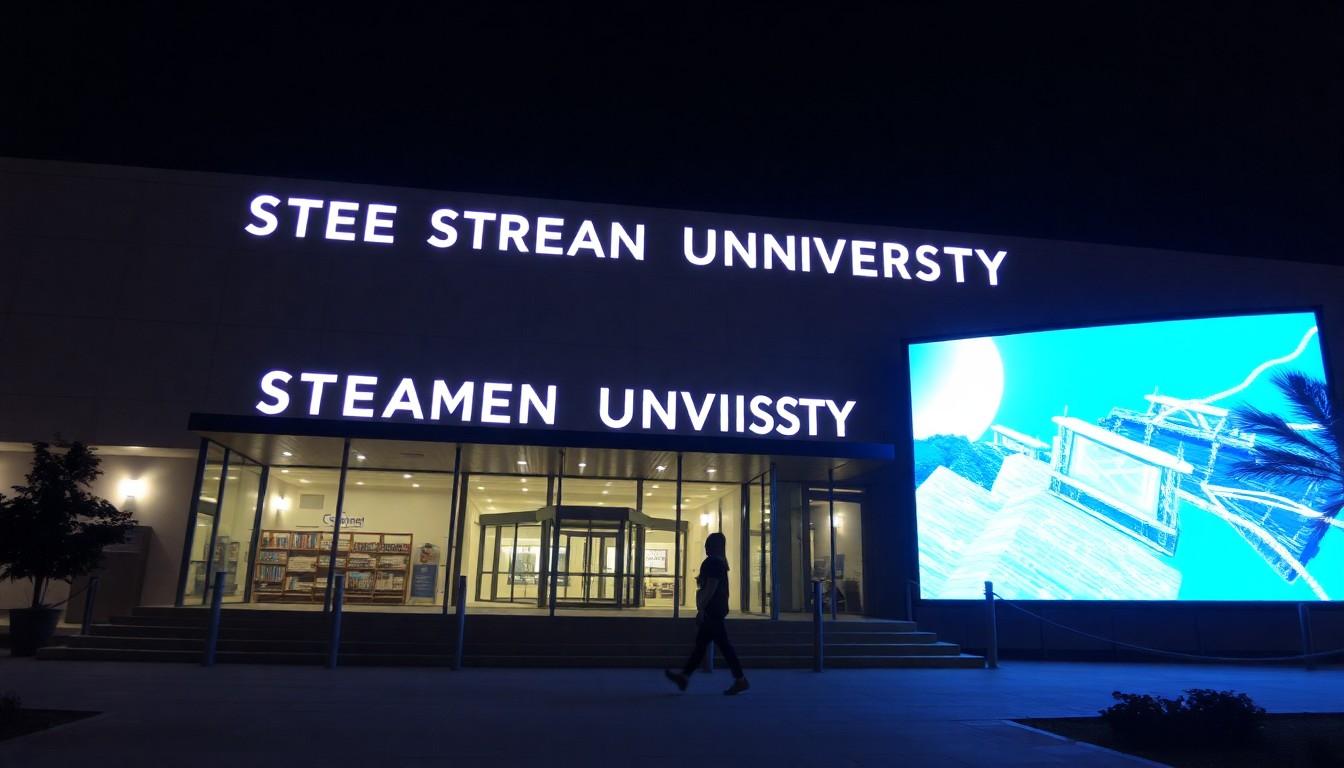
Watchers noticed a raw moment at Kai Cenat’s Streamer University when PlaqueBoyMax grew emotional addressing rumours about his sexuality , a vivid reminder that creator culture mixes performance with real-life pressure, and why these viral flashes matter to both fans and creators.
Essential Takeaways
- Emotional honesty: PlaqueBoyMax became visibly upset on stream while confronting repeated questions about his sexuality, saying there’s “nothing wrong with being gay.”
- Event spotlight: Streamer University continues to generate viral clips and conversations, with multiple attendees trending across social platforms.
- Creator scrutiny: The incident underlines how public creators are routinely asked personal questions, which can feel invasive and exhausting.
- Audience reaction: Fans and critics alike are debating intent versus impact, with discussions about gay-baiting and the line between banter and harm.
- Practical note: For streamers, clear boundaries and moderator support can help manage sensitive moments in live settings.
PlaqueBoyMax’s stream: a moment that cut through the noise
PlaqueBoyMax’s on-stream upset landed in feeds fast because it felt unvarnished , you could hear the strain and see the pause between jokes and real feeling. The clip showed him addressing repeated speculation about his sexuality and insisting there’s nothing wrong with being gay, a small but powerful line that landed with viewers. In an era where every reaction is clipped and shared, moments like this remind us the person behind the persona still matters.
Why Streamer University keeps popping up in social feeds
Kai Cenat’s Streamer University has become a cultural event where creators meet, perform and sometimes collide; viral moments are almost part of the ticket. The weekend generated plenty of headlines, from candid conversations to controversies, and PlaqueBoyMax’s emotional response was just one of several viral takeaways. According to coverage of the event, several attendees made news, showing how creator showcases double as content factories for days after.
The pressure of public curiosity and why it hurts
Creators are used to audience curiosity, but constant questioning about private matters can wear down anyone. Fans often argue they’re just being nosy because they care, but the cumulative effect of speculation can feel invasive and unfair. This is why many streamers now talk openly about boundaries, and why having moderators ready to steer chat away from harmful lines is becoming standard practice for live streams.
Where banter ends and harm begins: the gay-baiting conversation
Some viewers have accused certain streams of veering into gay-baiting , teasing or speculating about someone’s sexuality for views. That debate popped up around PlaqueBoyMax after his rant and emotional response, with critics pointing to patterns of provocation online. The conversation is familiar: intent doesn’t erase impact, and creators, platforms and fans are still negotiating what counts as acceptable teasing.
Practical tips for creators and viewers in live spaces
If you’re a creator, set clear rules with your moderators and call out invasive lines quickly; a short pre-stream note about what’s off-limits helps, and so does a trusted mod team. If you’re a viewer, pause before you clip and share , ask whether resharing private pressure helps or harms. And if a creator looks upset, consider the human behind the handle; empathy travels further than a trending clip.
It's a small, human moment that reminds us viral culture still contains real feelings.
Source Reference Map
Story idea inspired by: [1]
Sources by paragraph: