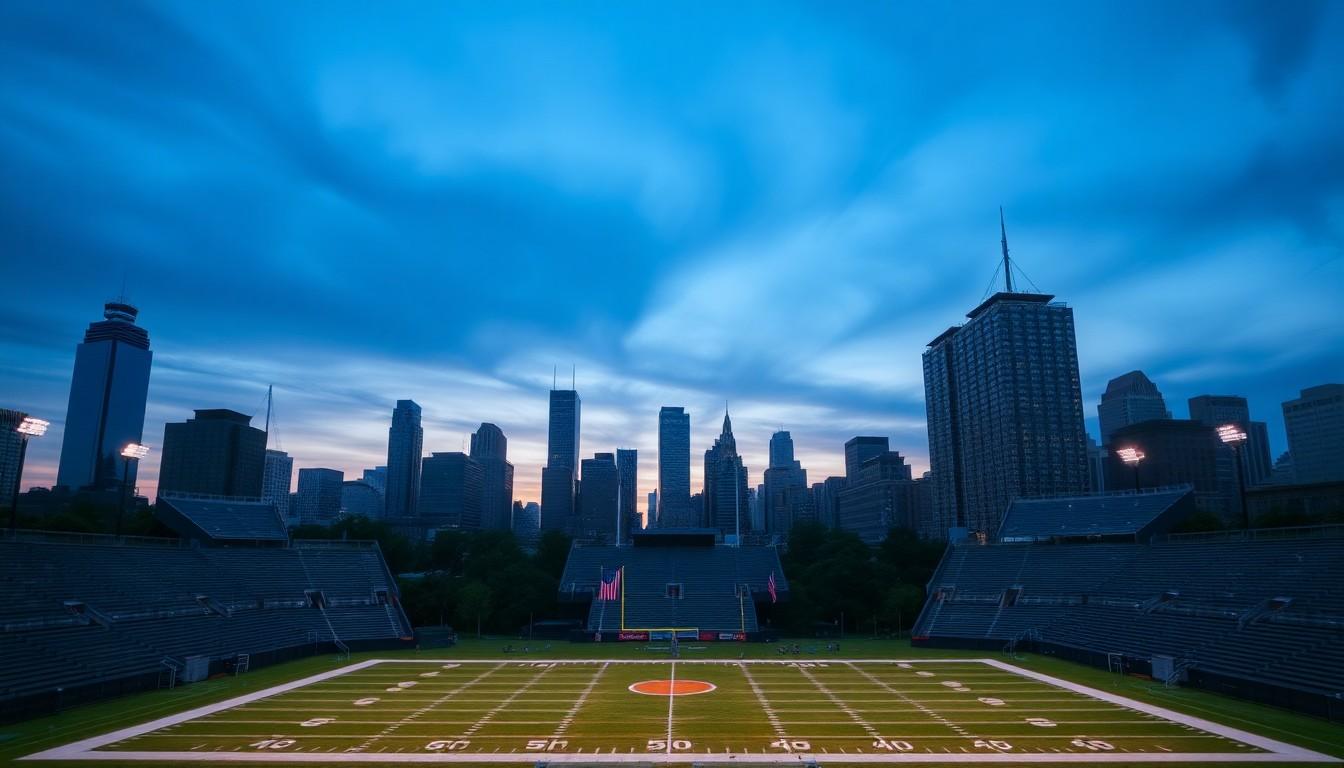
Shoppers and fans have watched the 2026 World Cup serve up rainbow flags, public boycotts and an unexpected football bromance , a tournament that showed visible LGBTQ+ moments yet left many queer supporters unsure they were truly welcome. Here’s what happened, why it matters, and how fans are responding.
Essential Takeaways
- Pride moment inside stadiums: Rainbow flags were allowed at the Seattle Iran–Egypt fixture, creating a visibly different atmosphere from 2022.
- Official distance: FIFA publicly insisted it did not sanction a “Pride Match,” calling the celebrations external to the match itself.
- Supporter boycotts: Major LGBTQ+ fan groups advised members to stay away, citing safety concerns and political context in host countries.
- Human moments: The Haaland–Bellingham friendship offered a light, widely shared reminder that affection and camaraderie can go viral.
- Mixed verdict: Visibility increased, but safety and political tensions left many queer fans ambivalent about the tournament.
Pride flags in Seattle: a small, loud visual change
The sight of rainbow flags inside Seattle Stadium felt significant after the strict controls around symbols in Qatar four years earlier, and fans noticed the difference immediately. According to reporting in The Guardian and Sports Business Journal, FIFA’s stadium code allowed “general statements of human rights,” paving the way for flags representing sexual orientation and gender identity to appear in the crowd. That visual cue was reassuring for some , a quiet, colourful signal that things had shifted , but it didn’t erase deeper anxieties about travel and safety for queer fans.
That context matters because the flag itself can’t guarantee safety on the street or in interactions with authorities. Supporter groups and commentators emphasised that permissions inside a stadium are only one piece of a much larger, practical question for travelling LGBTQ+ people: will the surrounding environment and national policies keep them safe?
FIFA’s official line: “Not our Pride Match”
FIFA was keen to draw a line between match organisation and local events, with president Gianni Infantino saying the World Cup match was separate from Pride-related activities around the city. Media coverage noted the careful distinction , FIFA allowed flags under its code but stopped short of branding any fixture as a Pride Match. That stance reflects a tightrope: the federation wants to avoid political entanglement while also responding to calls for inclusion.
For travelling fans, that’s a double-edged message. On paper, rules permitting flags are progress; in practice, ambiguity from the governing body can leave supporters feeling exposed and uncertain about institutional backing if anything goes wrong.
Why some LGBTQ+ groups chose to boycott
Several prominent fan groups issued warnings or withdrew visible representation, arguing they couldn’t in good conscience advise members to attend as openly LGBTQ+ people. Organisations such as Three Lions Pride and Queer Football Fanclubs cited broader political concerns and local policies as key reasons for advising caution. Coverage in outlets including The Washington Post and Outsports highlighted that these decisions weren’t about hostility from fellow fans so much as the difficulty of guaranteeing safety in the wider environment.
That choice to stay away was a political statement as much as a safety calculation. It also highlighted a schism between the image of an inclusive tournament and the lived experience of marginalised fans assessing real-world risks.
The Iran–Egypt fixture: theatrics, objections and politics
Designating the Seattle match during Pride weekend as a focal point caused friction from the start. Iranian and Egyptian officials publicly objected to the Pride branding, and federations pushed back on anything that smacked of political messaging. Yet Seattle’s local organisers pressed ahead with Pride-themed events nearby, and the match itself allowed rainbow flags in the stands.
This clash made clear how global tournaments amplify national politics: what’s a celebration in one city can be read as provocation by another nation. For queer supporters it underlined that inclusion gestures are still negotiated territory, dependent on local organisers, national federations and FIFA’s tolerance.
A lighter note: Haaland and Bellingham’s viral bromance
Not every headline was heavy. When Norway faced England in the quarter-finals, Erling Haaland and Jude Bellingham put on a display of genuine warmth that captured social feeds worldwide. Fans made affectionate edits and celebrated the pair’s friendship as an antidote to rigid football masculinity, and the moment became one of the tournament’s most shared human-interest clips.
Moments like that matter because they reshape how people imagine male friendships in sport. They don’t solve policy questions, but they offer a public, joyful counterpoint to the more fraught debates about access and safety.
What this all means for future tournaments
The 2026 World Cup proved that visibility can change fast , rainbow flags inside a stadium felt like progress , but institutional ambiguity and geopolitical realities still shape whether queer fans can feel safe. As FIFA and local organisers plan future events, supporters’ groups will likely press for clearer guarantees, travel guidance and stronger, enforceable protections beyond stadium gates.
If you’re thinking of attending a major tournament, check guidance from established fan groups, weigh local laws and politics, and plan for practical safety measures. Visibility is important, but it’s only meaningful when paired with confidence that you can be yourself without risk.
It’s a small but crucial challenge: turn visible gestures into genuine safety and welcome.
Source Reference Map
Story idea inspired by: [1]
Sources by paragraph: