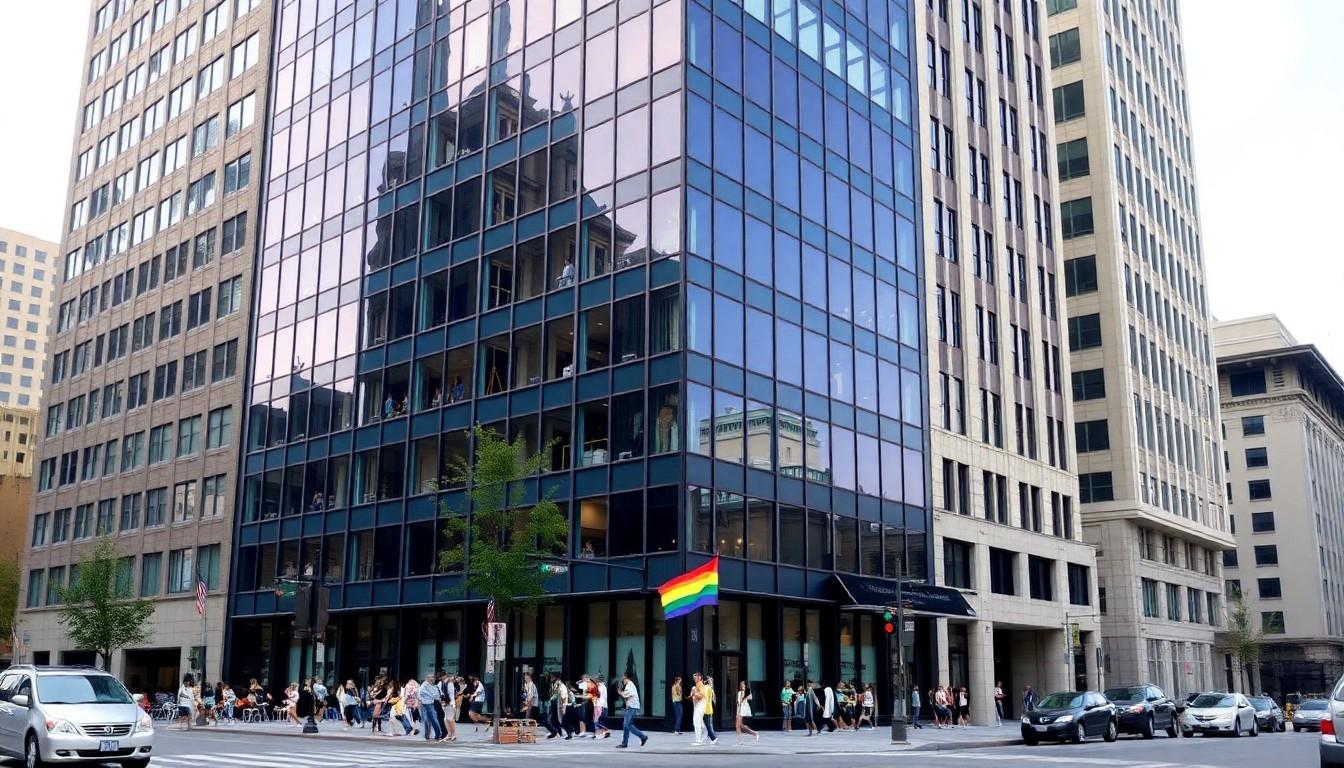
Watching Pride unfold this year offered a vivid lesson in leadership: who listens, who performs, and who pays for not paying attention , with San Francisco’s rallies, arts events, and a major sports backlash showing why authentic allyship matters.
Essential Takeaways
- Visible solidarity matters: Large, well-attended events like the Trans Ally Rally created a strong, inclusive atmosphere felt on the streets and in the crowd.
- Top-down commitment counts: Organisations that model inclusion from leadership down , from opera houses to community teams , create a welcoming, consistent experience.
- Mixed signals cost trust: When public figures or players visibly oppose Pride themes, organisations risk damaging decades of goodwill and community relationships.
- Conversation heals: Rapid, genuine dialogue between affected groups and leadership can turn a public relations crisis into an opportunity for real change.
- Local civic moments reveal national choices: How leaders frame public events , with threats or with hope , shapes public perception of who they really represent.
Pride in practice: marches that felt alive and inclusive
The streets were buzzing during the Trans Ally Rally, with a clear, tactile sense of community and solidarity that made itself heard and felt. According to local event listings and community organisers, multiple groups coordinated the march, producing a visible, well-attended kickoff to Pride celebrations. That collaborative energy matters because it shows inclusion as something you do, not just something you say. If you want to join next year, check organisers’ sites early for volunteer and staging details , these events need people, not just spectators.
When culture is staged from the top, the vibe follows
San Francisco Opera’s Pride concert felt immersive rather than merely decorative, with rainbow lights, quilt displays, and leaders speaking about commitment to equity. When senior executives make inclusion a visible priority, staff and audiences pick up on it and behave the same way. Businesses and arts organisations that want to emulate this should start by auditing internal practice and making queer staff voices part of public-facing planning , that’s how symbolic gestures become durable culture.
Sports teams and the cost of mixed messaging
A well-intended Pride Night at the ballpark turned sour when several players visibly signalled opposition to the event’s theme, triggering fan outrage and national coverage. The episode shows how quickly long-standing reputations can be eroded when front-office messaging and on-field behaviour don’t match. For teams wondering how to avoid similar fallout, clear policies and pre-event conversations with players and staff are essential , and silence or deflection after the fact only deepens the damage.
How conversation can repair what stumbles break
Contrast the sports flap with a case where dialogue improved outcomes: when a local coffee chain removed Castro flags, public outrage led to talks between company leadership and Pride organisers. The result, by all accounts, was increased understanding and policy change born from listening. That’s a template for repair: acknowledge hurt, invite stakeholders into the conversation, and follow through with meaningful changes. Leaders who do this not only fix the immediate problem, they rebuild trust.
Leadership isn’t only local , civic moments reveal deeper choices
National and municipal speeches around the country’s 250th anniversary offered competing narratives: one casting threats and division, another emphasising hopeful inclusion and civic responsibility. Those differences matter because leadership language sets the tone for action at every level. Local leaders and organisations can choose which model to emulate. If you run a group or business, think about what story your public statements tell and whether they align with the daily practises you promote.
It's a small change that can make every public gesture feel genuinely welcoming.
Source Reference Map
Story idea inspired by: [1]
Sources by paragraph: