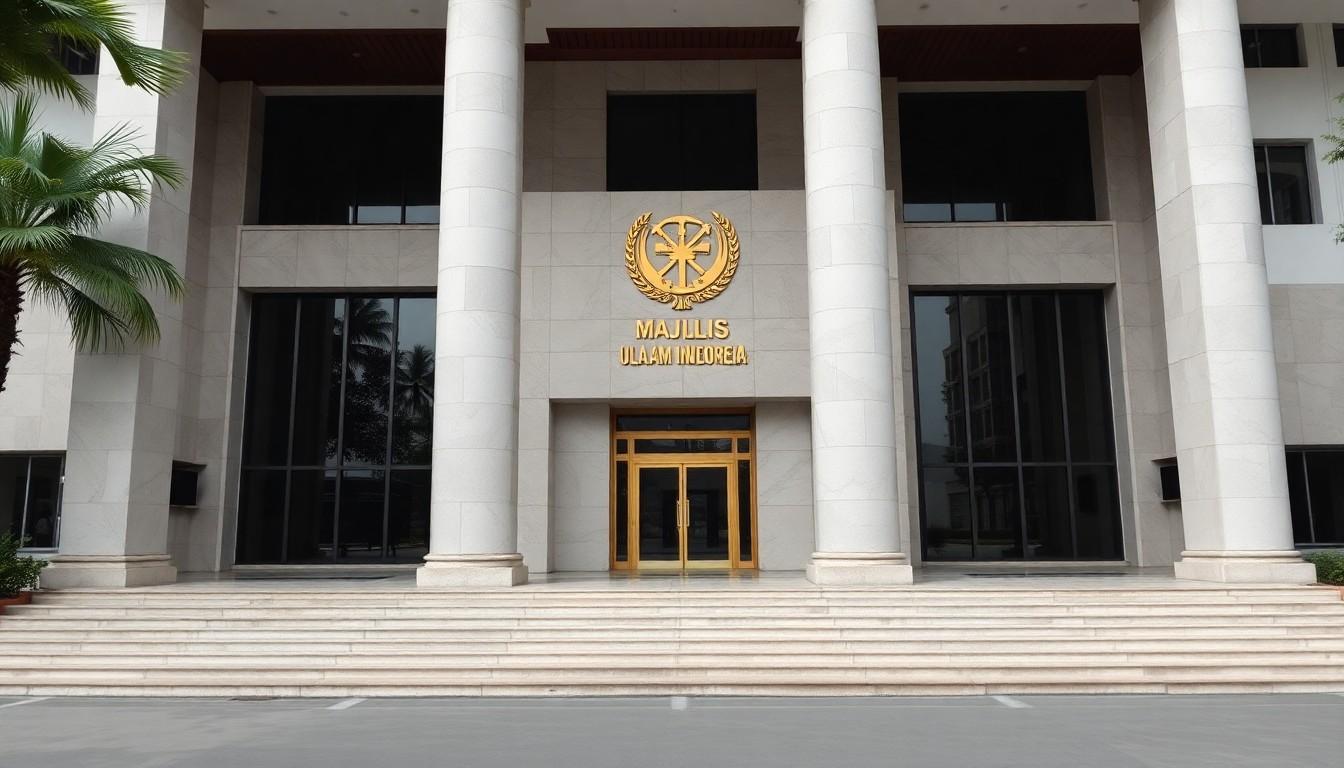
Watchers are weighing a fresh push: Indonesia’s Majelis Ulama Indonesia (MUI) has put LGBT issues on the agenda for the Kongres Umat Islam Indonesia VIII, and it’s preparing academic papers that could feed draft laws , a development that matters to lawmakers, religious groups and everyday communities across the archipelago.
Essential Takeaways
- MUI’s priority: The council has listed LGBT as a strategic topic for the KUII VIII meeting in Jakarta, signalling heightened institutional focus.
- Policy groundwork: MUI is preparing naskah akademik , an academic paper intended to underpin a proposed bill addressing what it terms LGBT “handling” or “countermeasures”.
- Next steps: The plan is to submit those papers to the DPR (parliament) as material for potential legislation, moving discussion from religious recommendation to political arena.
- Public debate tone: The push is framed by MUI leaders as a protective measure for families and future generations, a stance likely to intensify national debate.
- Broader reactions: Other Indonesian organisations have called for deeper discussion and legal consideration, suggesting this won’t be a simple, quick policy shift.
What exactly is MUI proposing, and why does it feel urgent?
MUI officials have publicly said they regard LGBT developments as a worrying trend that needs “serious attention”. That sense of urgency is anchored in social and moral concerns about family and youth, and it’s expressed with a distinctly protective register. According to reporting from Republika, the council is drafting academic material to support a prospective RUU, or bill, aimed at what they call the “penanggulangan” of LGBT.
This isn’t just rhetoric; producing a naskah akademik is a formal step that can smooth a path into parliament. So while the language is about guardianship and social order, the mechanism is a legal one , and that combination is what shifts a religious debate into the realm of public policy.
How does a naskah akademik work , and why does it matter?
In Indonesian legislative practice, a naskah akademik explains the rationale, evidence and legal foundation for a proposed law. It’s the intellectual scaffolding politicians and civil servants cite when deciding whether to turn an idea into statutory text. MUI’s choice to prepare such a paper signals a move beyond guidance and fatwas towards direct engagement with the law-making process.
That matters because once a proposal reaches the DPR, it triggers formal legislative procedures, hearings and stakeholder consultations. It also invites scrutiny from human-rights groups, civil society and international observers, so the naskah akademik won’t just be read by sympathetic lawmakers , it will be contested and debated.
How are other organisations reacting , is there a wider conversation?
Responses around this initiative are already mixed. Some religious groups support MUI’s concerns and want more regulatory clarity, while others , including mainstream organisations , have urged thorough, nuanced debate. For instance, leaders in large Muslim organisations have called for in-depth discussion before moving from recommendation to law.
Expect a crowded conversation: legal experts will weigh constitutional limits, human-rights activists will highlight international obligations, and communities affected by the proposal will share lived experiences. That clash of frameworks , religious authority, legal constraints, and social impact , is where the national debate will unfold.
What would this mean for everyday people if a bill moved forward?
If MUI’s academic paper leads to a draft bill and parliament takes it up, the real-world consequences would depend entirely on how the law is written. Legislation could range from regulatory measures and public-campaign rules to criminal provisions; each approach produces very different social effects. For families and LGBT individuals, even proposals framed as protective can translate into stigma, restricted services or legal penalties.
Practical advice: watch the draft language closely , terms like “campaign”, “promotion”, “handling” or criminal classifications matter enormously. Engage local representatives, follow public consultations, and look for civil-society briefings to understand how any proposed text would apply on the ground.
Where does this leave Indonesia’s public conversation , and what comes next?
We’re likely at the start of a lengthy process rather than the end of a debate. MUI has set the agenda for a major religious congress and prepared the intellectual material to enter parliamentary channels. The next moving parts include parliamentary reception, public consultation, and pushback or support from NGOs, religious bodies and international observers.
It’s a moment that will test Indonesia’s balancing act between religious influence and legal protections, and it’s worth following for anyone interested in law, human rights, and social policy here.
It's a small change in procedure with potentially big consequences , keep an eye on the draft papers and the DPR's response.
Source Reference Map
Story idea inspired by: [1]
Sources by paragraph: