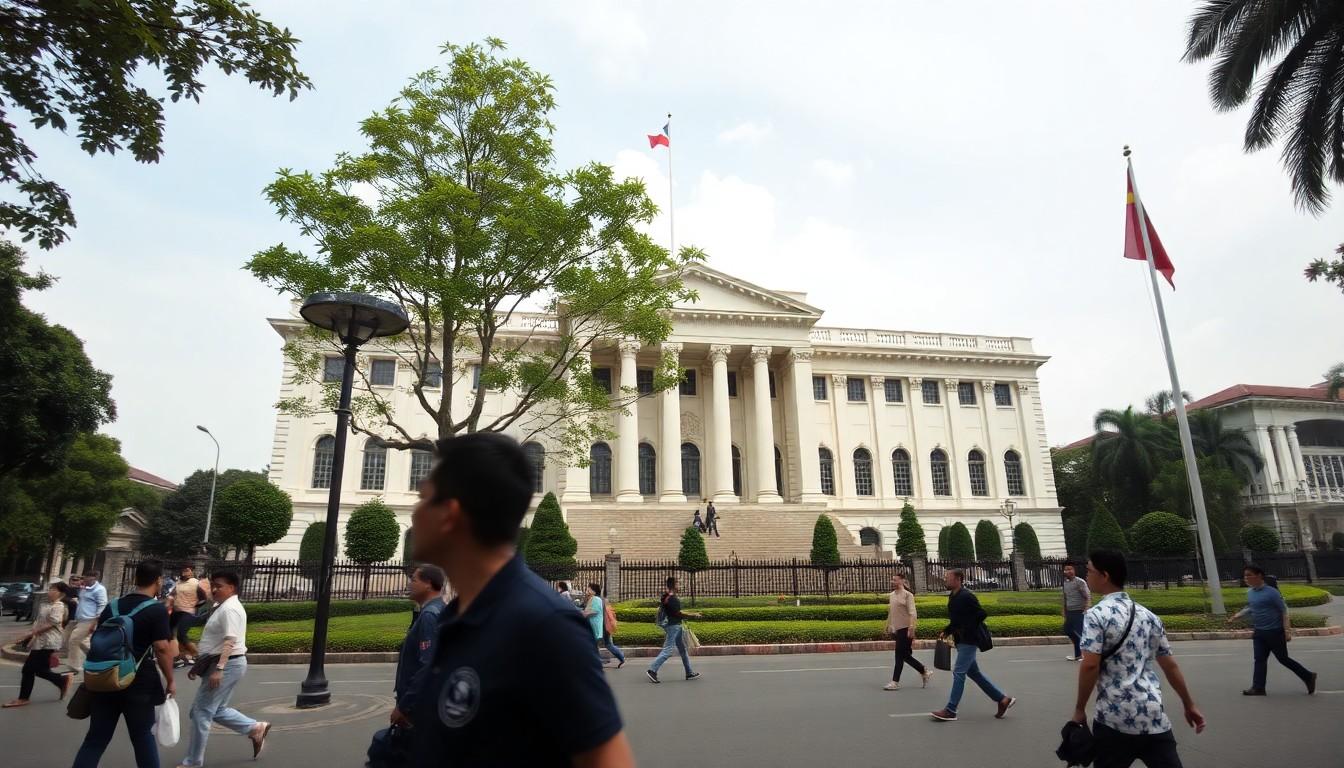
Watch closely: Indonesia's decision to list the promotion of queer culture as a non-military threat is reshaping daily life, university policy and safety for LGBTQ+ people across the archipelago , and it matters for human rights, regional politics and anyone who cares about free expression.
Essential Takeaways
- Official change: The 2025 presidential regulation lists “the promotion of LGBTQ culture” among non-military threats, prompting new scrutiny and action from government bodies.
- Universities affected: At least 10 public universities have adopted rules restricting discussion of gender and sexual diversity, leaving students more exposed to harassment.
- Street-level violence: Advocacy groups report coordinated attacks on trans women in Bogor, with victims suffering physical injuries and trauma.
- Legal backdrop: While same-sex relations aren’t outlawed nationwide, a patchwork of national laws and Aceh’s Sharia penalties already create legal and social vulnerability.
- Human rights alarm: Local lawyers and international groups warn the regulation gives cover for discriminatory regional policies and criminalisation.
What changed and why it feels like a turning point
The strongest fact here is simple and raw: a presidential document has put queer culture into the same category as trafficking and terrorism, and that reclassification has a psychological weight. The 70-page regulation issued in 2025 asks ministries and regional administrations to treat certain “non-military threats” as matters requiring coordinated responses. In plain terms, that opens the door for non-defence agencies to act , and in a country where local ordinances have real bite, the signal is chilling.
Human rights lawyers quickly flagged what this means in practice. They told local press the regulation could legitimize regional rules and enforcement actions that were previously harder to justify. For communities already used to walking carefully, the message is clear: visibility now carries more risk.
Universities: a surprising frontline for discrimination
Not many people expect campuses to become a battleground, but that's exactly what's happened. Human Rights Watch and other observers point to at least ten public universities that have started limiting classroom discussion, student events and support services tied to gender and sexual diversity. The result is a quieter campus for queer students , and a louder sense of vulnerability.
This trend ties into broader patterns of moral policing and administrative caution. For parents and students, the practical takeaway is to check university policies before enrolment and to document any discriminatory rules. Student groups are trying to adapt, but when official policy chills debate, care and counselling services can be the first casualties.
Violence on the streets: the human cost
There’s a tactile, painful detail here: videos circulated online showing trans women being chased, beaten and humiliated. Advocacy organisation reports say at least 15 transgender women in Bogor suffered attacks that left them traumatised and physically injured. The attacks weren’t random; they followed a tightening public narrative that frames queer identities as dangerous to society.
Local groups are sounding the alarm: victims are often poor, transgender women who work on the streets and lack protection. For anyone offering support, basic steps like first-aid training, trauma counselling, legal aid funds and secure shelter options are urgently needed. Meanwhile, the wider community is left to reckon with the social consequences of policy language that legitimises aggression.
Legal patchwork: why identities remain vulnerable
Legally, the situation is messy. Indonesia does not criminalise same-sex relations uniformly, but Aceh’s Sharia courts and a cluster of national laws create indirect discrimination. Laws on pornography, marriage, electronic information and health regulations can be used to restrict rights or to justify sanctions. Add the new presidential regulation into that mix, and you’ve got more avenues for officials to act against LGBTQ+ people.
That’s why rights groups warn , this isn’t just about new arrests, it’s about normalising discrimination in administrative decisions, education, healthcare access and social services. If you’re advising someone in Indonesia, document everything, seek legal counsel early, and connect with established NGOs who can provide resources and referrals.
What international observers and advocates are saying
International human rights organisations have been vocal. They report a spike in university crackdowns and urge Indonesian authorities to protect freedom of expression and safety. Domestically, legal aid groups are arguing the regulation permits discriminatory laws at both central and regional levels. The commentary is blunt: policy language matters, and once a government frames a group as a “threat,” everyday harassment can escalate quickly.
Looking ahead, activists hope for pushback from civil society, judicial scrutiny and international attention to check overreach. But for now, many LGBTQ+ people in Indonesia are recalibrating how they live in public and how they seek help.
It's a small change in wording with big consequences , and one worth watching closely.
Source Reference Map
Story idea inspired by: [1]
Sources by paragraph: