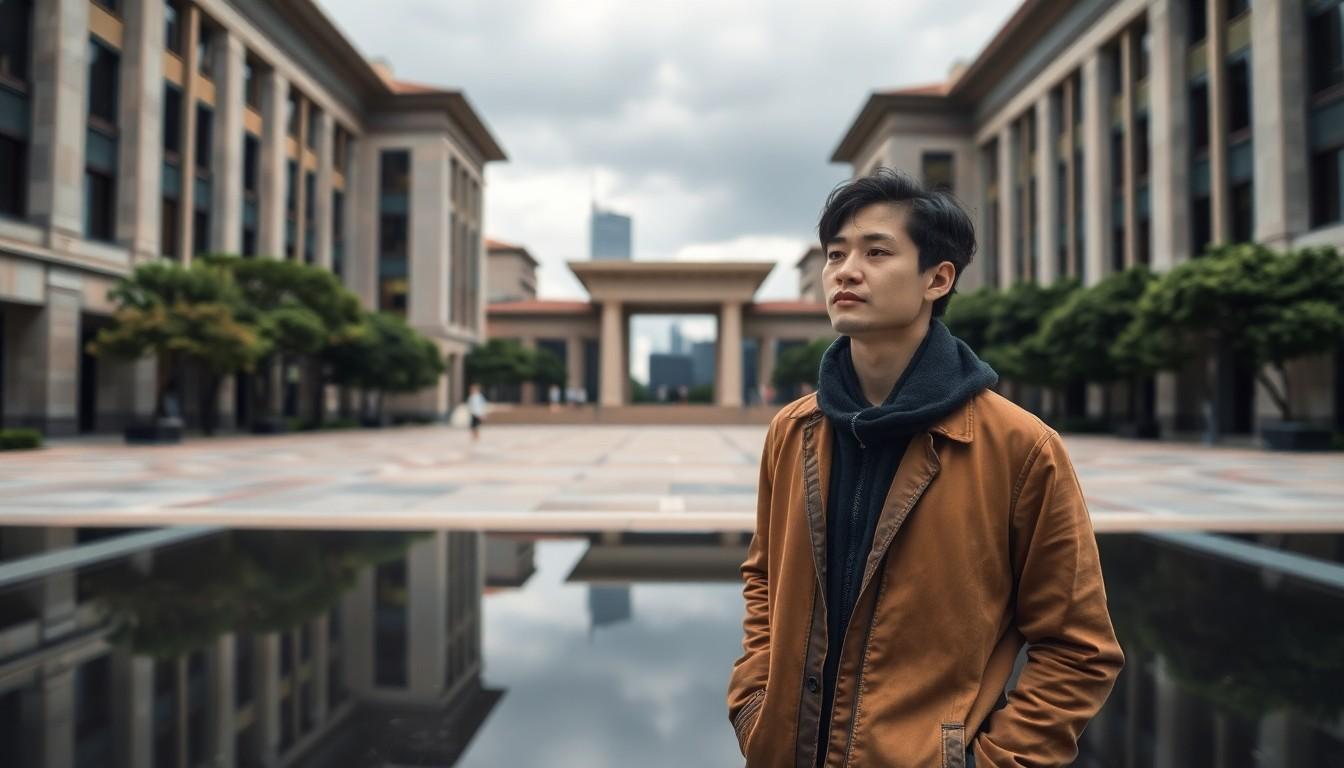
Shoppers and readers are rediscovering Taiwan’s lesbian literary past, as a new collection reframes how female same‑sex desire, campus life and cultural aspiration shaped writing over decades; the book traces a cross‑generational lineage and asks why these stories still matter for identity and rights today.
Essential Takeaways
- New lens: The collection reconstructs a Taiwan‑centred lesbian literary history, focusing on memory, the body and language.
- Key setting: University and Taipei life are foregrounded as crucibles where lesbian desire and elite ambitions intersect.
- Emotional tone: Texts carry a bittersweet, nostalgic feel, small objects and city details bring feeling to life.
- Conceptual hook: The author borrows Du Bois’s “double consciousness” to describe lesbian writers’ split between social aspiration and desire.
- Why it matters: Revisiting these works helps understand contemporary rights struggles and the cultural roots of identity.
Why reread Taiwan’s lesbian classics now?
The emotional power of these older texts still hits you, there’s a quiet ache in the language and an unmistakable city‑night smell in the scenes. The new collection invites readers to look back not as an academic exercise but as a reckoning, to hear voices that were once sidelined and to map how they fed later activism. In doing so, it asks whether legal change has been enough to transform everyday life for queer people in Taiwan.
Campus and city: where identities were forged
Universities, and Taipei in particular, recur as the main stage. For many writers, leaving small towns for the city meant exposure to films, theatre and nightlife that fuelled both desire and ambition. The collection traces how campus friendships and romances evolved into literary themes, and why urban scenes matter when you’re trying to trace a cultural lineage. Practical tip: when choosing which backlist to explore, start with campus‑set works if you want the clearest sense of social context.
Double consciousness and the queer elite
Borrowing W. E. B. Du Bois’s idea of “double consciousness” gives fresh purchase on writers who were both part of Taiwan’s emerging cultural elite and marked by same‑sex desire. This split shows up as a continual self‑scrutiny: the urge to perform respectability while internally wrestling with longing. That tension produces the quieter, moral anxieties in the prose, and it helps explain why some characters chase cultural status as compensation.
Small details, big effects: how objects and places anchor feeling
A battered bus or a particular brand of ticket can open up whole emotional economies in these texts. The book uses such objects to root memory and to highlight how migration from town to city reshaped identity. These sensory cues make the prose vivid and teach a simple lesson: literary histories are as much about tactile specifics as theoretical frames. If you’re reading for pleasure, savour these details, their intimacy is why these works linger.
What this means for politics and everyday life
Legal milestones and pride parades are vital, but they don’t erase the everyday frictions the collection surfaces. Politicians and public figures may have opened doors, yet the social optics that made older writers self‑police still linger. Revisiting these texts offers context for current debates about workplace inclusion, representation and political life. For readers and activists alike, the archive is a reminder that cultural recognition and legal rights travel at different speeds.
It's a small change to read differently, but it can make every recovered voice feel a little less lost.
Source Reference Map
Story idea inspired by: [1]
Sources by paragraph: