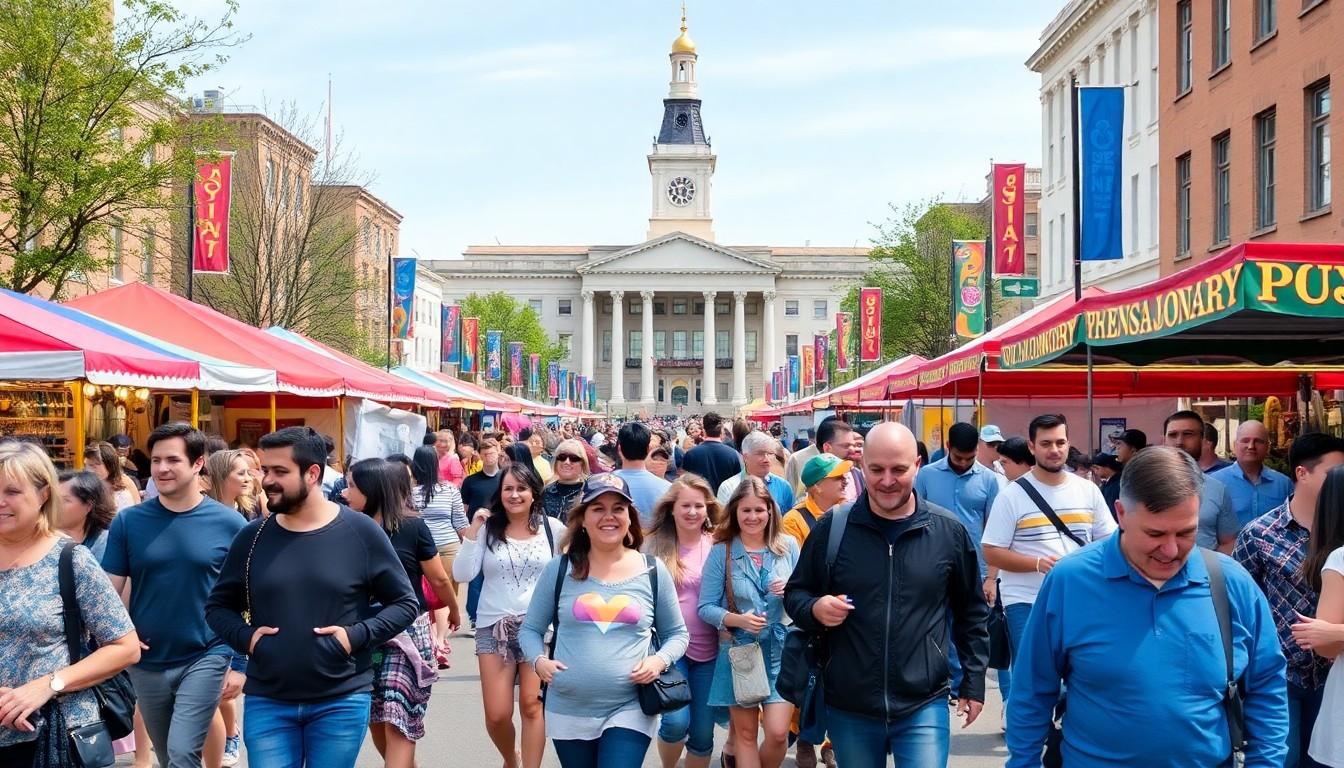
Celebrating visibility, connection and protest, Sonoma County’s first Dyke March drew roughly 600 people to Santa Rosa on June 21, 2026, as organisers pushed back against erasure of older lesbians while building an intentionally inclusive, intergenerational queer community. It mattered locally and signalled a louder, political Pride for the region.
Essential Takeaways
- Historic turnout: Around 600 people gathered at Santa Rosa City Hall for the march and Lez-A-Palooza street fair, creating a lively, communal atmosphere.
- Political purpose: Organisers framed the event as a march, not a parade, to emphasise protest against attacks on queer and trans lives, reproductive freedom, and civil rights.
- Intergenerational focus: The event deliberately bridged older lesbians with younger queer people, offering a warm, accessible space and programming.
- Radical inclusivity: Volunteers worked with younger community members to ensure the march welcomed trans, non-binary, bisexual and sapphic folks; the route was fully accessible.
- Joyful civic takeover: The gathering ended in a neighbourhood-style fair with art, booths and games that reclaimed public space for celebration and activism.
Opening Hook: a civic square reclaimed with colour and purpose The image of several hundred people filing off Santa Rosa’s courthouse steps and down a short, fully accessible sidewalk route is both quietly joyful and quietly radical. Participants carried signs and laughter, but the tone was deliberately political; organisers wanted visibility for ageing lesbians who often feel invisible at mainstream Pride events. According to local coverage, the moment felt like both homecoming and wake-up call for Sonoma County’s queer community.
How the idea took shape and why wording mattered The march was the brainchild of local resident Pam Adinoff and her partner Nancy Kelly, who wanted something small, fierce and focused. They and a volunteer committee chose the word “dyke” to reclaim a term with historic pride, and they insisted on calling the event a march rather than a parade so it wouldn’t lose its edge. Organisers also emphasised accessibility and intergenerational programming, working closely with younger community members to avoid recreating the very exclusions they aimed to correct.
A trend toward grassroots, place-based Pride This new event sits inside a wider pattern: communities are creating local, often issue-driven Pride events that speak to regional histories and needs. For Sonoma County, with its long-standing LGBTQ+ presence, that meant centring women who’d been active in earlier eras while inviting new voices. The shift echoes similar small-scale marches and rallies across the state that pair celebration with political demands and mutual aid.
Practical insights for organisers and attendees If you’re thinking of launching a neighbourhood Pride event, the Sonoma County Dyke March offers a few clear lessons. Choose language with purpose, names frame expectations. Prioritise accessibility from the start, and build volunteer teams that include younger and older community members to avoid generational blind spots. Small routes and post-march street fairs make events feel intimate and manageable while offering space for booths, crafts and conversation.
What participants felt and what comes next For many who attended, the march was both healing and energising: older lesbians reported feeling seen, younger attendees appreciated the intentional inclusivity, and the street fair, dubbed Lez-A-Palooza, turned the courthouse square into a playful, political village. A week later, some organisers and participants joined larger Pride events in the Bay Area, showing how local action can dovetail with regional solidarity. Expect organisers to assess turnout, accessibility and programming and to plan for another, possibly bigger, gathering next year.
Why it matters beyond Sonoma County Small civic actions often ripple. When a community reclaims public space and an identity word at once, it sends a signal: local Pride can be political, intergenerational and joyful. The march gives other towns a clear template for centring older queer people while remaining fiercely inclusive and outward-facing in defence of queer and reproductive rights.
It's a small change that can make every march feel more like home.
Source Reference Map
Story idea inspired by: [1]
Sources by paragraph: