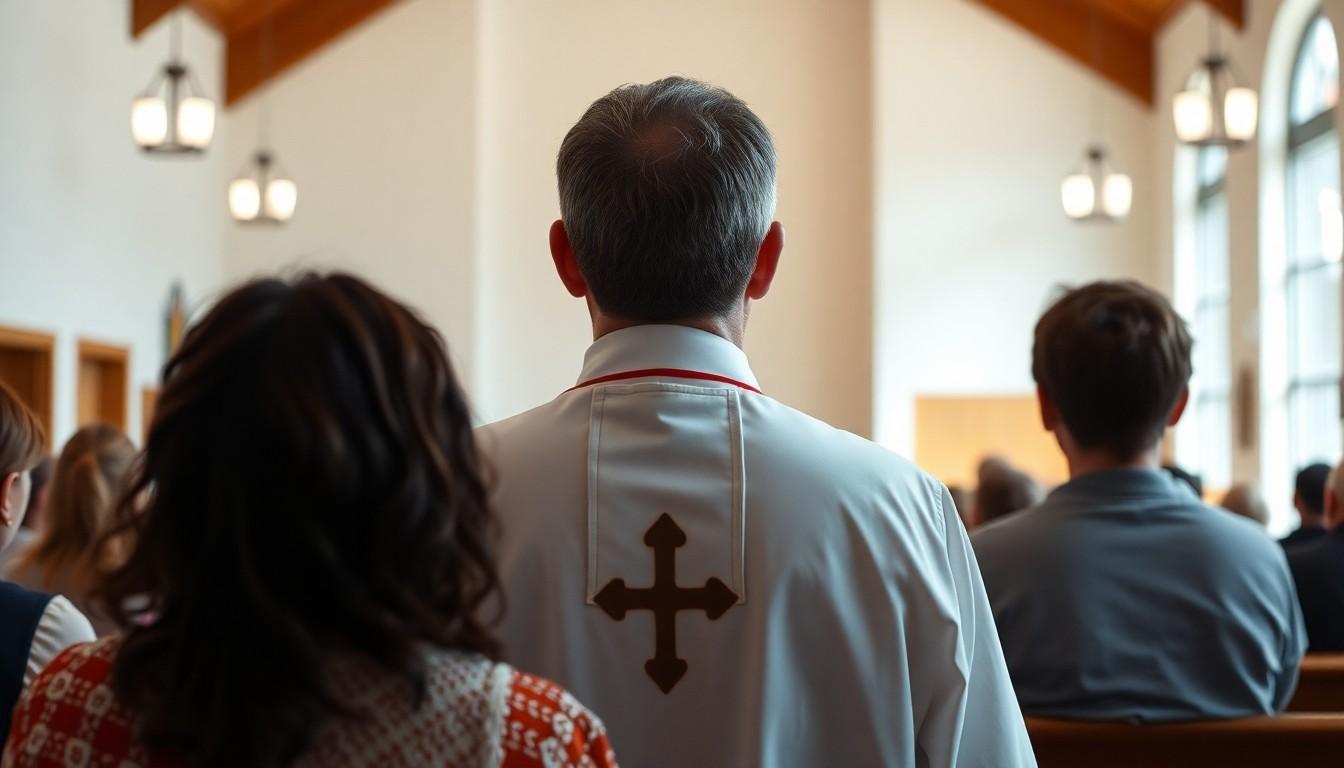
Observe how a debate that began in seminar rooms and opinion pages has spread into congregations and kitchens; Americans and churchgoers are reassessing what same-sex marriage and queer identity mean for faith, community and public life, and the conversation matters because it reshapes who feels included and who feels threatened.
Essential Takeaways
- Contested premise: Critics argue same-sex marriage challenges the traditional male/female ordering that underpins certain religious doctrines, while supporters say equality doesn’t erase sex or gender.
- Key voices: Commentators such as Matthew Vines and Andrew Sullivan have been central to arguing that marriage equality led to broader queer visibility, sparking backlash.
- Religious responses: Evangelical and Catholic writers have published sustained, detailed rebuttals to affirming theological claims, emphasising scriptural and doctrinal continuity.
- Cultural effect: The debate has shifted from legal rights to questions about social norms, identity language and institutional belonging.
- Practical stakes: For congregations and families, the argument is practical , from pastoral care to who presides at weddings , and often feels intensely personal.
Why the conversation keeps returning to sex, gender and identity
The fiercest lines of argument aren’t just academic; they feel tactile , people describe confusion, relief, fear and relief again. Commentators who worry that same-sex marriage leads to a broader dismantling of male and female roles say the change threatens more than ceremony: it unsettles long-standing moral categories. Critics frame this as a theological crisis, arguing it’s a denial of a divinely ordered creation.
Backstory matters. Marriage equality fought to secure legal recognition, promising greater inclusion without necessarily rewriting theological categories. But as public language around queer identity expanded, many religious communities felt compelled to respond, producing whole books, articles and pastoral guides arguing for or against reinterpretation. For people in pews, this can look like a creeping cultural change rather than a single legal shift.
If you’re trying to follow the debate, separating the legal milestone from cultural developments helps. Legal marriage changed state practice; broader acceptance of queer identity grew through education, media and personal stories. That’s why the conversation keeps returning to sex, gender and identity , those are the terms people use to make sense of what’s actually changing.
What supporters are saying: inclusion without erasure
Proponents of equal marriage, including writers who argued for a theologically affirmative reading of scripture, maintain that recognising same-sex marriage doesn’t erase sex or the value of male and female roles. Instead, they argue it expands the circle of who can form lifelong, committed relationships under law and within communities.
Their backstory is pragmatic: early campaigns emphasised love, stability and fairness to win hearts and votes. Once legal equality arrived, advocates shifted to pastoral work and theological reflection to show congregations how to welcome LGBT people without abandoning core convictions. That shift from courtroom to conversation is part of why the debate looks different now.
A practical takeaway for church leaders is to distinguish legal obligations from theological teaching. You can comply with the law and still engage respectfully with parishioners wrestling with doctrine. For individuals, honest conversation , asking what inclusion means in your community , often helps more than claims about sweeping cultural conspiracies.
Why many religious writers remain unconvinced
Several faith-based reviewers and theologians have published careful rebuttals to attempts to read scripture as endorsing same-sex relationships. Their critique is methodical: they argue that key biblical texts and long ecclesial traditions point to male and female distinctions as foundational, not optional. For these writers, affirming same-sex unions represents a substantive theological reorientation, not merely a civil change.
Those critiques are rooted in continuity. Many religious communities take the weight of centuries of interpretation seriously; a sudden reinterpretation of texts can feel like tossing out a shared map. That’s why you see sustained responses from evangelical and Catholic outlets that dive into hermeneutics, historical practice and pastoral implications.
If you’re weighing these positions, look for charity in argument. These critiques are often written from conviction rather than malice, and understanding their premises helps avoid caricature. Practically, congregations navigating difference often set aside time for study groups and listening sessions rather than rushing to public pronouncements.
Has marriage equality indeed "radicalised" the conversation?
Some writers, including high-profile commentators, say yes , that victory on marriage opened the door to wider discussions about gender, language and queer visibility that many find unsettling. Others push back, saying what looks like radicalism to some is merely long-overdue recognition and the natural consequence of people living openly.
This tension between perceived radicalism and overdue recognition is a cultural thermometer. Where communities felt threatened, the debate hardened; where leaders emphasised pastoral care, people found ways to live together despite disagreement. That dynamic helps explain why the argument remains a live political and ecclesial issue rather than a closed chapter.
For readers, a useful heuristic is to ask which changes are legal, which are cultural, and which are theological. That helps pinpoint where the real stakes lie for your life , whether it’s a legal right, a change in social conversation, or a doctrinal claim that affects liturgy and leadership.
Practical advice for congregations, families and readers
If you’re in a church worried about these shifts, start small: create listening forums, provide study resources that reflect multiple perspectives, and offer pastoral support for those who feel marginalised. For families, conversations grounded in care rather than abstract rhetoric make awkwardities manageable.
According to various religious commentators, clear boundaries paired with compassion work better than declarative ultimatums. In civic settings, recognising legal rights while still debating moral vision is possible , it’s messy but it’s also how plural societies function.
The conversation will keep evolving, but moving from polemic to pastoral makes it easier to live with disagreement , and that may be the most useful change of all.
It's a small cultural shift with big personal consequences; choose the conversations that bring people closer, not further apart.
Source Reference Map
Story idea inspired by: [1]
Sources by paragraph: