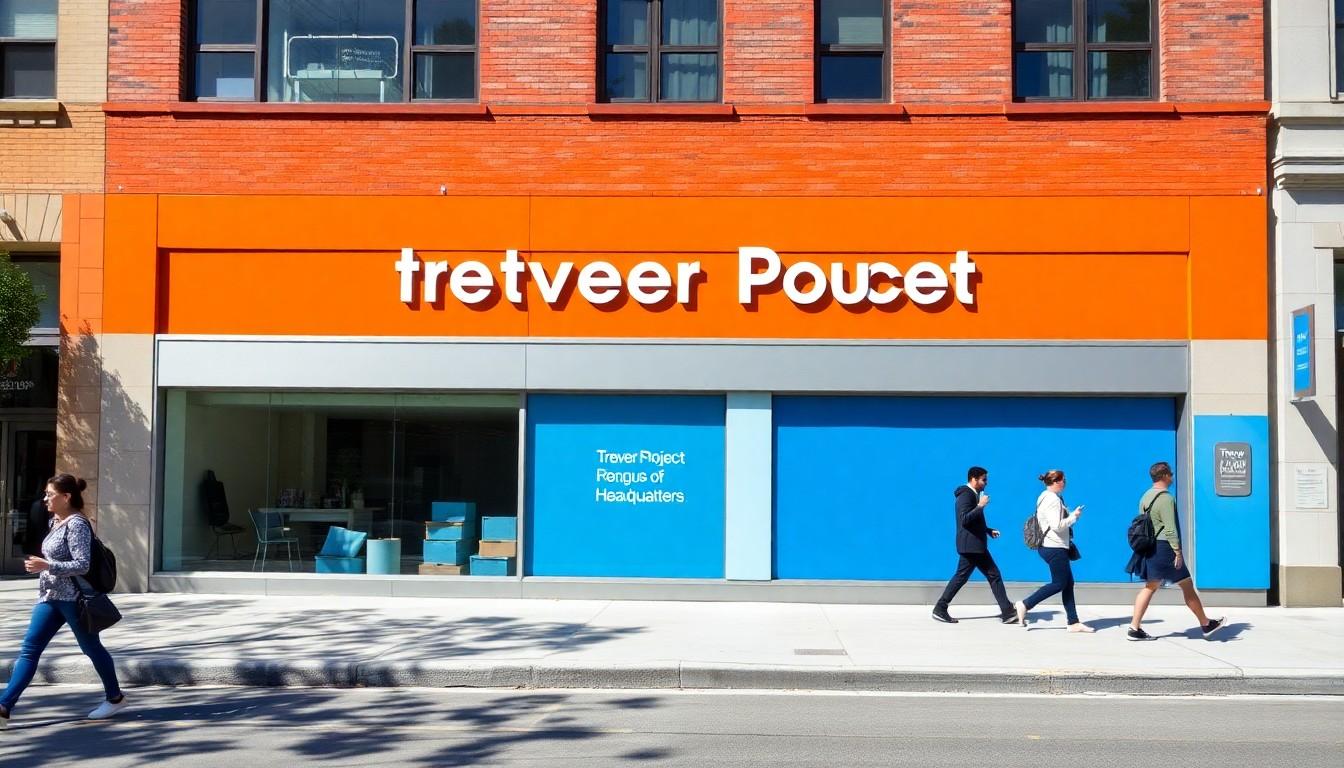
Shoppers of policy and parents alike should pay attention: specialised counselling for LGBTQ+ youth is set to return to the 988 Suicide & Crisis Lifeline by year’s end, but advocates warn changes tied to federal directives could leave trans and nonbinary callers worse off. Here’s what that means, who’s pushing back, and how to tell if the service will actually help.
Essential Takeaways
- Return planned: The Trump administration confirmed specialised LGBTQ+ youth services on 988 will be reinstated before the end of the year.
- Funding anchor: Congress earmarked $33.1 million to restore the service and the law specifies support should include all LGBTQ+ youth.
- Trevor Project role uncertain: The Trevor Project, which handled roughly half of the specialised “press 3” volume, may be excluded from the reopened service on a technicality.
- Risk to trans youth: Advocates warn that any restrictions on affirming trans and nonbinary identities could deepen harm and increase suicide risk.
- Operational hurdles: Rebuilding specialised call streams takes months of training and infrastructure work, so starts and stops cost both time and trust.
Why the 988 “press 3” return matters , and why people are jittery
The simplest fact is this: many LGBTQ+ young people relied on the dedicated 988 route because it felt safe and specialised, and that safety has a quiet, tactile quality , a calm voice, the right language, a counsellor who gets micro-details that matter. Last year’s closure left a practical void and a symbolic one, and Congress’s $33.1 million allocation shows lawmakers understand the hole that was left. But policy moves from the White House mean the shape of the restored service could look very different, and that has advocates nervous that the line’s core promise , unconditional support for LGBTQ+ youth , might be eroded.
Who answered the calls before, and why their exclusion would sting
The Trevor Project has been running LGBTQ+ youth crisis work since the late 1990s and took on about half of the specialised 988 “press 3” calls after that option launched in 2022. According to reporting, a drafting quirk in the federal request for applications may leave them technically ineligible for the new contract, even though they’ve submitted a proposal. That’s not just bureaucracy; it’s a disruption to relationships built over years. As Trevor Project staff have told STAT and other outlets, trust is a fragile thing on crisis lines , when young people find a voice that understands them, it’s not easily replaced.
What’s different this time: policy constraints and potential limits on affirmation
The Trump administration says it intends to restore specialised services but must comply with an executive order that effectively rejects transgender and nonbinary identities. Advocates fear that could translate into training restrictions, or outright bans on affirming language during calls. That’s hugely significant because many trans callers reach out specifically for identity-related validation or help navigating hostile environments. If callers are told their identity is “incorrect” or downplayed by staff, counsellors warn that can deepen isolation and worsen suicidal ideation , the opposite of what a crisis line should do.
Rebuilding services isn’t just flipping a switch , it’s months of work
Operationally, creating and maintaining a subnetwork for LGBTQ+ youth is complex. You don’t just funnel calls to a different phone number and walk away; you set up routing, hire and train staff, and run scenario-based exercises to make sure policy and practice align. Crisis experts say two to three months is a reasonable ramp-up for new teams, and repeated closures and restarts mean those months are lost again and again. That matters because every delay is a delay in meeting young people where they are, and each restart risks losing the institutional memory that keeps service quality high.
Practical signs to watch for if you’re judging whether the restored line will work
If you’re a parent, educator, clinician or young person, there are concrete cues that suggest the service will be safe and effective. Look for public confirmation that training includes trans-affirming best practices, transparent vendor selection that allows established groups like the Trevor Project to participate, and a clear plan for continuity so staff turnover doesn’t reset expertise. Also watch for accessible outreach , rural areas and marginalised communities need tailored referrals, not stock lists of therapists that don’t exist locally. Finally, listen to advocates; when national organisations and local helplines align in critique, there’s often a real problem to solve.
What happens if trans identity affirmation is restricted , the human costs
Counsellors and organisations working with LGBTQ+ youth point to real, painful examples: a young person misgendered in a hospital, years of intermittent contact with a helpline, or callers who fear calling emergency services. Those stories illustrate how identity affirmation in a crisis call can be lifesaving , it builds trust, reduces shame, and creates a path toward accessible supports. Restricting affirmation isn’t an abstract policy tweak; it changes the emotional texture of a conversation and can close the window on follow-up help. That’s why several advocates have been blunt: a diluted service could be worse than none.
Closing line
It’s a small change in paperwork that could mean everything to a young person in crisis , watch closely for how the restoration is staffed, trained and governed.
Source Reference Map
Story idea inspired by: [1]
Sources by paragraph: