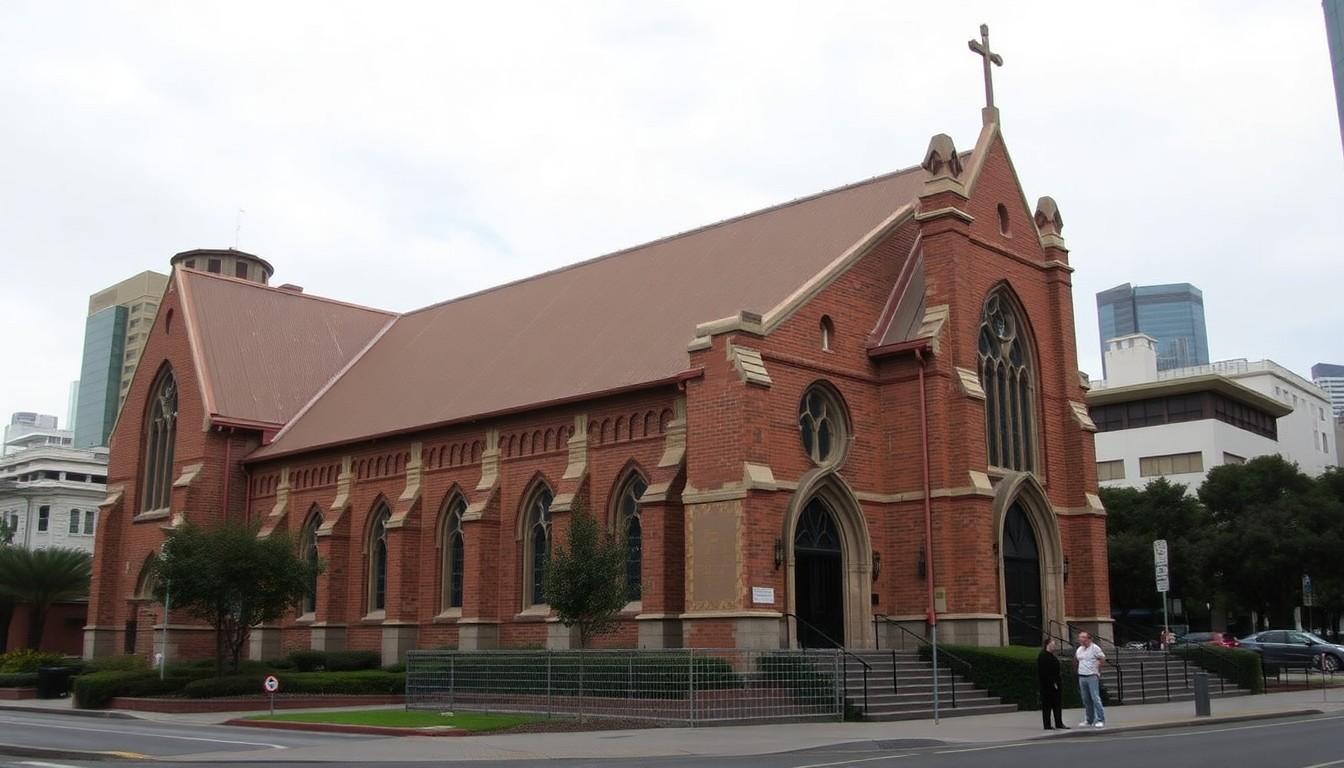
Shoppers and culture-lovers are watching as a deconsecrated Sydney church turned queer nightclub faces a legal tussle, protests and an uncertain future , and why it matters for artists, audiences and the city’s shrinking live-venue scene.
Essential Takeaways
- Venue under legal pressure: The Divine Playhouse, run by Heaps Gay, was served a breach notice by its developer landlord citing “offensive trade,” putting scheduled events on hold.
- Government voices divided: Arts Minister John Graham strongly defended the venue’s right to exist; Premier Chris Minns expressed personal discomfort about using a former church for provocative performances.
- Public reaction is loud: Tens of thousands have signed petitions on both sides, and supporters have raised significant funds to help the organisers.
- Practical problem: Organisers say no laws were broken; the dispute looks set to head towards litigation if a landlord agreement can't be reached.
- Safety and privacy concerns: City officials and activists warned of protesters filming and harassing attendees, an issue raised by Sydney Lord Mayor Clover Moore.
Why this old church turned club has Sydney talking
Sydney’s newest queer venue packed the room at opening night, with a distinct, theatrical buzz in the old stonework and a cheeky overlay of religious satire. But the developer landlord quickly issued a breach notice and events were postponed, turning the spectacle into a civic controversy overnight. According to reporting, Heaps Gay were operating under a lease and gifted arts funding, yet are now facing a possible eviction over claims framed as “offensive trade.” The scene has become a flashpoint about artistic freedom versus local sensitivities, and it’s painfully clear venues can vanish fast.
Who’s taking sides , and what they’re actually saying
The story has split public figures. Arts Minister John Graham publicly defended the artists and emphasised the need for more venues in Sydney, arguing that creative spaces are vital and that protesters should respect others’ rights. Meanwhile the premier offered a personal view that a former church might not be the ideal site for performances that mock religious imagery. That contrast matters: one voice is about policy and culture infrastructure, the other about optics and community sentiment. Practically, mixed messages from government make it harder for organisers negotiating with landlords or calming anxious patrons.
Legal and practical stakes for Heaps Gay
Lawyers for the organisers say there’s no allegation of illegal activity , the dispute centres on whether upset feelings about the content can justify contract termination. That’s a tricky test in tenancy law: “offensive trade” notices usually relate to nuisances like noise or smells, not moral outrage. Industry watchers note this could become a precedent case, particularly where developers feel pressure from protesting neighbours or interest groups. For event organisers, the takeaway is to triple-check lease clauses about permitted use and build contingency plans well in advance.
The public response: petitions, protests and fundraising
Supporters rallied fast: a petition to keep the venue open gathered more than 14,000 signatures and fundraisers pulled in significant donations, while an opposing petition calling for a government apology over perceived mockery of Christianity attracted thousands as well. Protesters have filmed attendees and directed insults at revellers, prompting Lord Mayor Clover Moore to offer help finding an alternative venue and to warn against harassment. That on-the-ground antagonism underscores an urgent issue for night-time economy managers: safety and privacy at events must be planned for, especially when political heat is high.
What this means for Sydney’s shrinking nightlife and arts ecology
Sydney has been losing venues for years to redevelopment and rising rents, so every new space sparks hope. Arts groups argue that a vibrant city needs diverse, sometimes challenging cultural offerings; developers and some residents often prioritise tranquillity and differing moral views. The Divine Playhouse episode crystallises that tension. Practically, councils and cultural funders might reassess how they support pop-up and adaptive reuse spaces, ensuring permits, insurance and safety measures anticipate protest risks. If litigation follows, expect sharper conversations about what constitutes acceptable artistic expression in converted sacred spaces.
It's a small but telling battle about who gets to use the city’s rooms for art , and whether those rooms will remain open.
Source Reference Map
Story idea inspired by: [1]
Sources by paragraph: