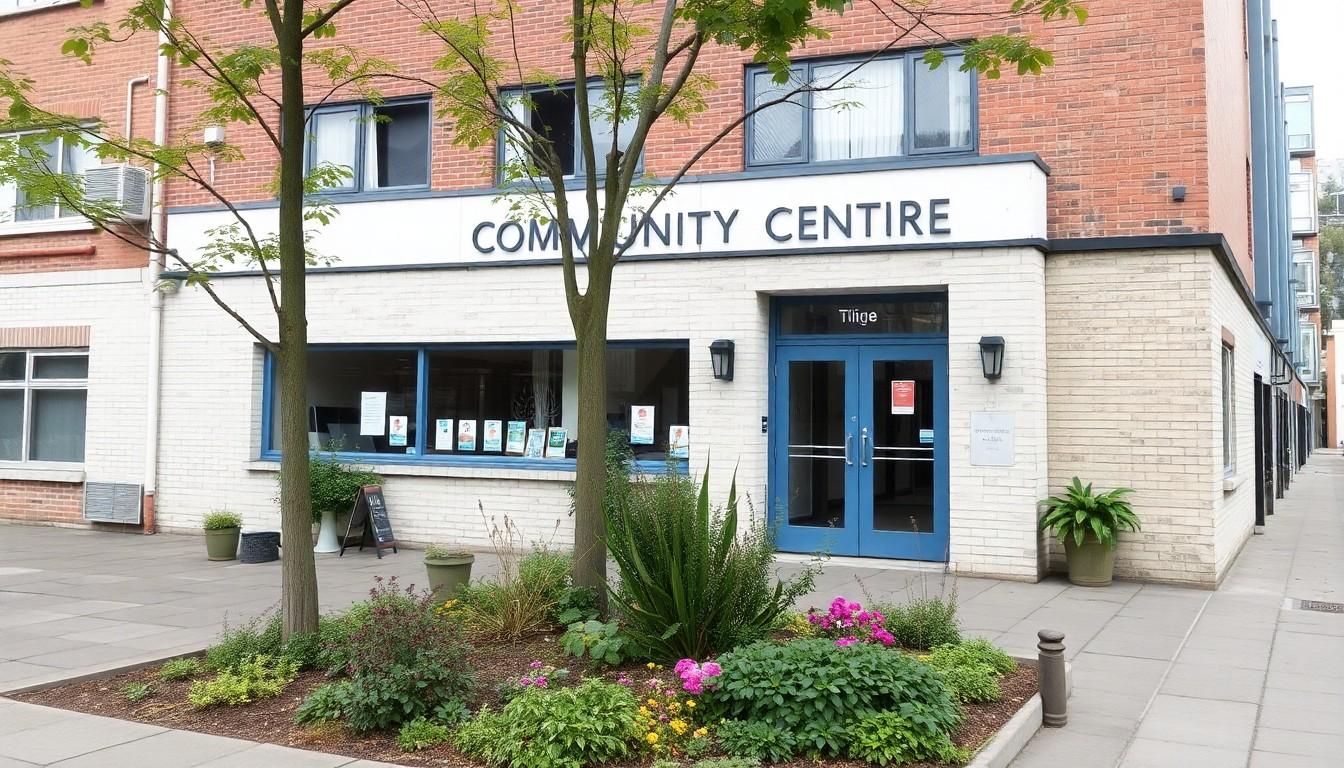
Spotlight the community: Pride of Place Leeds is this summer putting chosen family at the centre of a vital conversation about housing, belonging and survival , a free, neighbourhood-facing moment for Black and Brown queer people to share stories, find resources and reimagine what home can be.
Essential Takeaways
- When and where: Pride of Place Living: The Chosen Family Initiative happens in Leeds on 25 July, 12:30–18:00, offering panels, conversations and community meet-ups.
- Who it’s for: The event foregrounds Black and Brown LGBTQ+ communities and those interested in the intersection of housing justice and chosen family.
- Why it matters: Chosen family often fills gaps left by institutions and sometimes biological families, helping with housing, healthcare and daily care.
- Tone and feel: Expect an intimate, activist-minded gathering , reflective, practical and rooted in mutual care.
- Takeaway for attendees: Bring stories, questions and contacts; organisers aim to connect people with local services and peer networks.
Why Leeds is staging a conversation about chosen family now
Leeds has been building civic pride projects that link place and community, and this summer’s event feels like a natural next step. According to Leeds city initiatives, there’s been growing local investment in neighbourhood-driven cultural work that centres lived experience. Bringing chosen family and housing justice together is practical as well as symbolic, because the people we choose often become the ones who keep us safe.
The idea is simple and powerful: when formal systems or biological families fail, chosen families provide everyday care. Expect panels that mix testimony with service-based information so attendees leave with both empathy and useful next steps.
What chosen family actually looks like on the ground
Chosen family isn’t a neat replacement for every household; it’s an improvisation of care. For many queer and trans people, friends, mentors and community elders become the people who offer spare rooms, emergency funds and medical advocacy. The emotional texture is often quieter than a TV moment , it’s about someone turning up with soup or helping you sign forms.
That’s why events like this matter. They make visible the informal systems that keep people housed or help them navigate benefits and healthcare. If you’re planning to go, think about what practical questions you have , housing advice, legal aid signposting, or peer-support contacts.
How housing insecurity and family rejection intersect
Data repeatedly shows family rejection is a leading cause of youth homelessness among LGBTQ+ people, and community responses are often the only buffer. When organisations and neighbours step in, they frequently do it without the paperwork or stability of a formal service, which can be both a strength and a risk.
The Leeds conversation will likely include policy-minded speakers and grassroots activists, so expect one thread to be: how do we turn mutual aid into sustainable support without bureaucratising intimacy? That’s a tricky balance, but an important one if chosen family is to be more than a stopgap.
Practical tips for anyone building or relying on chosen family
There are sensible ways to make informal care safer and more reliable. Talk openly about expectations , who pays for shared bills, how long a sofa stay might last, and what happens in a medical emergency. Keep a list of trusted contacts and local services, and consider simple legal protections where appropriate, such as joint tenancy advice or wills for chosen relatives.
Bring practical things to the event: photocopies of key documents if you need housing help, a notebook for contacts, and a willingness to swap knowledge. Small gestures like that can turn a single meetup into an ongoing support network.
What attending can do for your community ties
Showing up to a gathering like Pride of Place Living can be quietly transformative. You hear stories that normalise asking for help, you meet people who’ve navigated the same crises, and you might find new ways to pool resources. For organisers, these moments also map unmet needs back to local authorities, helping shape better policy and funding.
Look on it as mutual aid with a civic ear , a place where personal experience meets practical campaigning. And if you’re shy, remember: many friendships start with a shared cup of tea and a problem solved together.
It's a small shift in how we think about home that could make every day feel a bit safer.
Source Reference Map
Story idea inspired by: [1]
Sources by paragraph: