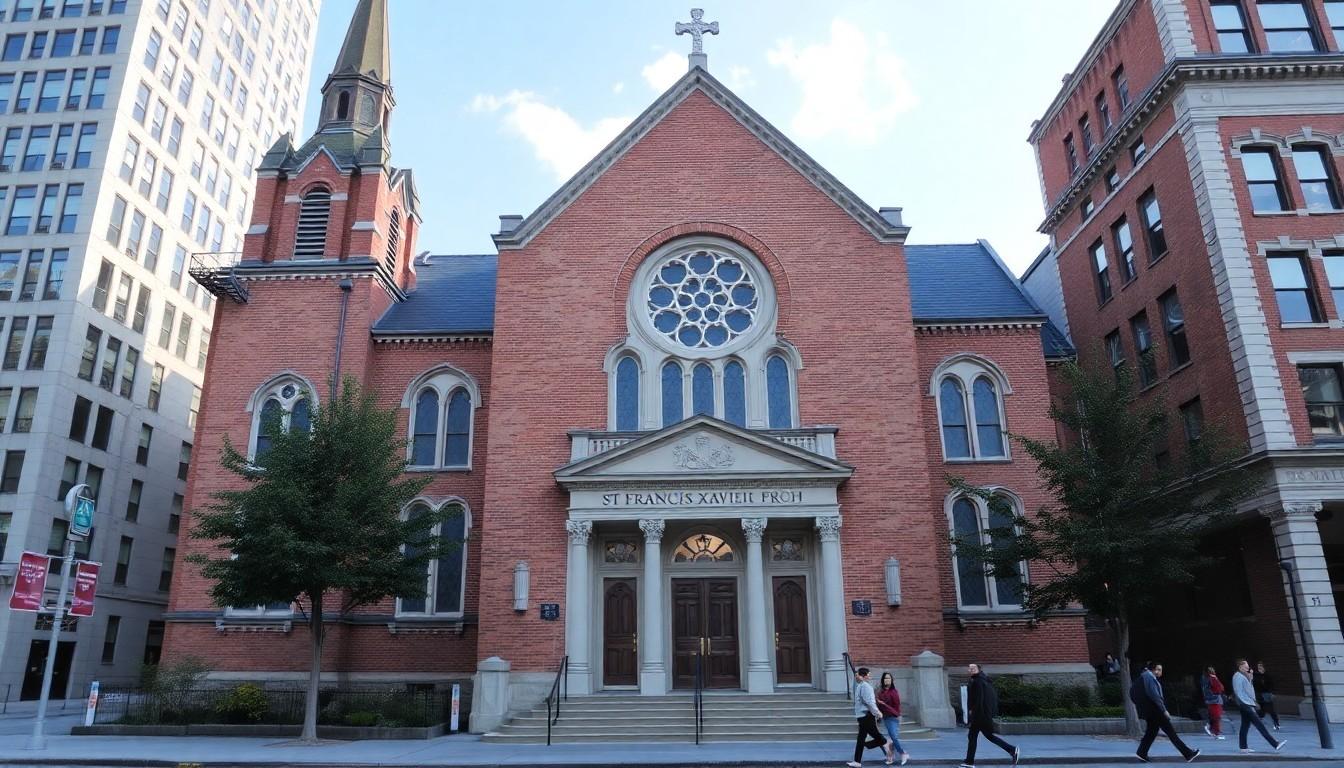
Shoppers of community and seekers of belonging are finding LGBTQ-friendly Catholic parishes in New York City that keep doors open long after Pride ends. These neighbourhood churches offer pastoral care, groups and quiet affirmation , and they matter because they help people reconcile faith and identity in a city that birthed modern Pride.
Essential Takeaways
- Warm welcome: Several Manhattan parishes openly embrace LGBTQ+ Catholics, creating a sense of belonging and safety.
- Real-life impact: Parishioners report feeling spiritually whole again , described as relief, joy and renewed faith.
- Practical programmes: Ministries run support groups, social events and pastoral care, with clear ways to get involved.
- Visible advocates: Clergy and national figures have pushed inclusion, helping shift tone inside and beyond New York.
- Where to start: Check parish websites or New Ways Ministry’s directory to find an LGBTQ-friendly liturgy or group nearby.
Why these parishes feel like home , not just on Pride Day
Step into some Manhattan churches and you’ll notice a different vibe: a calmer welcome, a friendly nod at the door, a poster for a support group. That human touch makes a world of difference for people who may have left the Church years ago. According to local reporting, parishioners say they felt instantly accepted when they walked in and stayed because community and ritual finally matched who they were inside. For someone returning to faith after painful experiences, that quiet belonging feels like a small miracle.
Historically, the Catholic Church’s teachings and pastoral practice haven’t always aligned for LGBTQ+ people, but individual parishes are bridging that gap. These communities don’t rewrite doctrine; they focus on accompaniment, listening and practical care. If you’re sceptical, a simple way to judge a parish is by its atmosphere: are people relaxed, are questions welcomed, are there signs of intentional ministry for LGBTQ+ members?
What parish life actually looks like for queer Catholics
At many of these churches you’ll find social groups, prayer circles, marriage preparation that acknowledges same-sex couples’ pastoral needs, and ministries specifically for queer Catholics. Parishioners describe groups where they can talk about faith and sexuality without having to choose one identity over the other. That blend of spiritual routine and human connection is what keeps people coming back.
If you’re exploring, reach out by email or phone first; most parish sites list ministries and point people. Attend a social or a small-group meeting before committing to a programme. That lets you feel the community’s tone and decide if it meets your needs without pressure.
Clergy voices: pastoral welcome and public advocacy
Local priests say the central call of the Church is hospitality, even if pastoral practice has lagged. Clergy at welcoming parishes underline a simple message: no one should be excluded from the sacraments or spiritual life. Meanwhile, national figures who advocate for LGBTQ+ inclusion have amplified that pastoral approach, meeting with Church leaders and urging broader change.
Public advocates have also noted small but meaningful steps from the Vatican level that change how inclusion conversations happen globally. For people in New York, that’s not just abstract , it means local pastors feel supported to create ministries that listen first and judge later.
How to choose the right parish for you
Think about what you need most: liturgy that feels affirming, a support group, a social scene, or discreet pastoral care. Visit parish websites to check service times, ministry listings and contact details. If a parish lists an LGBTQ ministry, you can expect at least some formal welcome; if not, look for pastoral statements or community events that suggest an open culture.
Practical tip: call the parish office and ask a few simple questions , who runs the LGBTQ ministry, what meetings are held, how is confidentiality handled. Your comfort level after that call is a good barometer for what to expect in person.
What this means beyond Manhattan , a model for other cities
These New York parishes act as visible models: they show how longstanding institutions can sustain tradition while making room for people who were once pushed to the margins. Their work tends to ripple outward, inspiring other congregations and diocesan conversations about accompaniment and inclusion. For anyone hoping to change a parish culture, start small , build a listening group, offer a single inclusive liturgy, and invite others to witness the difference.
Long term, the goal many parish leaders express is straightforward: normalise welcome so no one has to choose between faith and identity. It’s not a theological loophole; it’s pastoral work, one conversation at a time.
It's a small change that can make every pew feel more like home.
Source Reference Map
Story idea inspired by: [1]
Sources by paragraph: