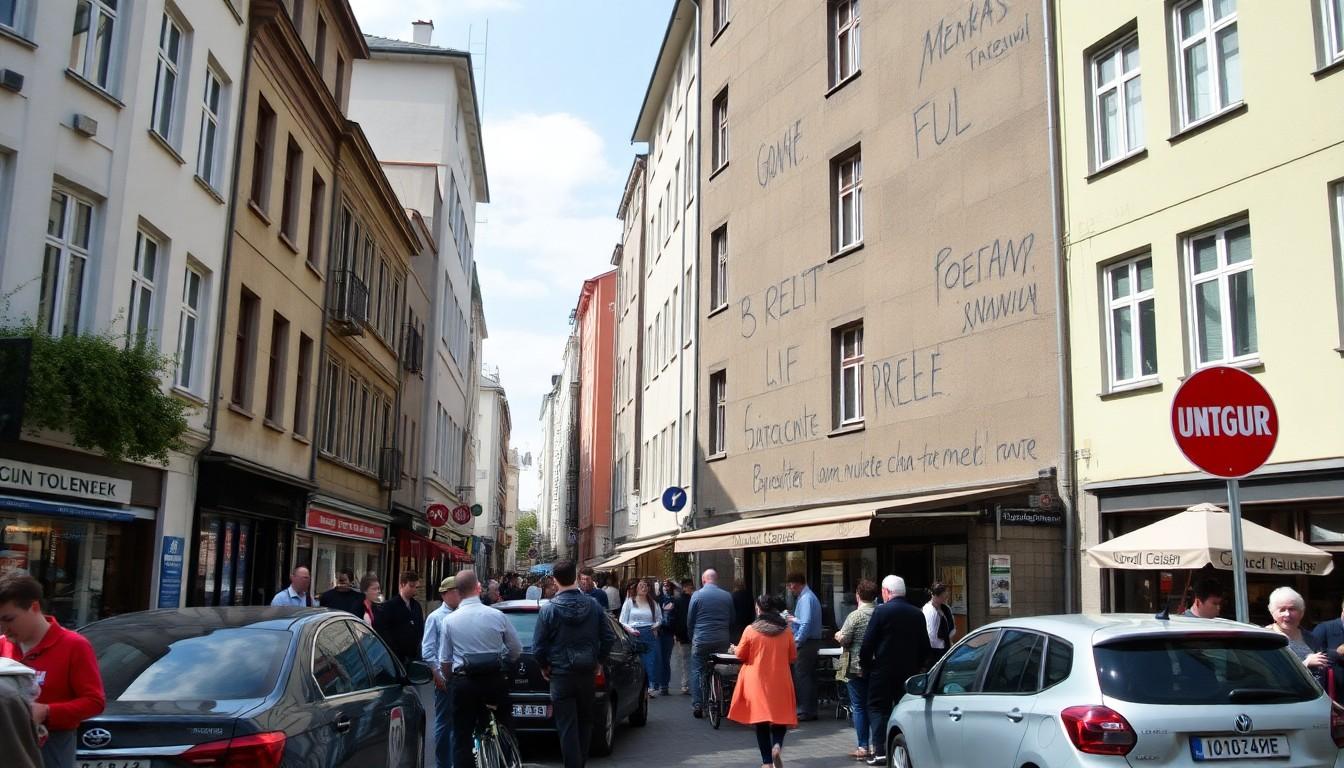
Shoppers, students and neighbours are noticing a shift , and politicians say action is overdue. At a Berlin "queere Wahlarena" event, party leaders urged clearer school values, better police response and restored funding for anti‑homophobia projects to stop rising queerfeindlichkeit and make everyday life safer.
Essential Takeaways
- Visible concern: Political leaders and community groups report queer people increasingly feel unsafe in parts of Berlin, including nightlife and neighbourhoods.
- Early education: Candidates from across parties want values teaching from primary school , normalising respect and calling out queerphobia early.
- Beyond schools: Police, courts and teacher training need bolstering to tackle harassment and hate crimes effectively.
- Funding matters: Campaigners warned that cuts to projects combating homophobic violence have undermined prevention and support services.
- Community action: Local NGOs, Pride groups and municipal initiatives remain central to keeping people supported and connected.
Why Berlin leaders are saying “we need a plan” , and what that sounds like
The blunt opening line at the queer arena: queer people in Berlin don’t always feel safe, and politicians are hearing it on the street. That sense of unease is tangible , quieter nights, more furtive walks home, and a harsher tone in some neighbourhood conversations. According to local discussion at the Heilig‑Kreuz‑Kirche, voices from across the political spectrum agreed this is not just perception but a trend that merits a coordinated response. Practical takeaway: when leaders call for a “Gesamtkonzept”, they mean pulling schools, police, social services and funding into one plan rather than treating incidents as isolated.
Start young: why class‑room values matter from year one
Speakers argued that values education should begin in the earliest school years so respect becomes second nature. The idea is simple , if children learn at primary school that an open society has no room for queerfeindlichkeit, those attitudes are less likely to harden later. That doesn’t mean teaching advanced topics to five‑year‑olds, it means everyday examples of kindness, inclusion and how to respond when someone is teased. Parents and teachers can expect calls for updated curricula and more focus on teacher training so classrooms are the first line of prevention.
Police, courts and training , fixing the system that responds to hate
It’s not only what’s taught in schools; it’s how incidents are handled afterwards. Several politicians pointed to gaps in policing and justice that leave victims feeling unheard. Improving the response means better reporting routes, specialist officers who understand queer issues, and courts that take homophobic motives seriously. For people looking for quick wins, community liaisons and clearer complaint pathways can make a big difference right away, while longer‑term training for staff aims to change culture across institutions.
Money talks: why project funding changed the picture
Campaigners and some politicians criticised recent budget cuts that hit projects supporting queer people and preventing homophobic violence. Grassroots groups often run counselling, outreach and safe‑space programmes that keep people connected and supported; when funding is cut, those services shrink and vulnerability grows. Reinstating or ring‑fencing money for proven local projects is a practical step the next administration could prioritise, and it’s where citizens can lobby their representatives most effectively.
Neighbourhoods and nightlife , the local reality in places like Nollendorfkiez
You don’t have to be a policymaker to see change; local residents report shifts in the feel of queer hubs and nightlife areas. Politicians at the event referenced the Nollendorfkiez as an example where people notice less safety in everyday interactions. Local strategies , better lighting, community policing, and supported local businesses , can restore that relaxed, vibrant sense of place. If you live in a neighbourhood under strain, get involved with your local CSD group or queer associations; small civic steps aggregate into visible change.
It's a small change that can make every street and classroom safer.
Source Reference Map
Story idea inspired by: [1]
Sources by paragraph: